
8 min read
4.2
· 35,187 Amazon ratingsShare This Review
Once Upon a Broken Heart by Stephanie Garber Review: Dark Fairytale Fantasy With Addictive Danger
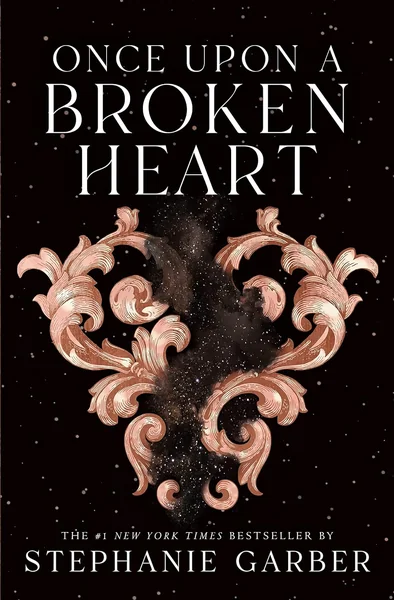
Once Upon a Broken Heart is the first novel in Stephanie Garber's #1 New York Times bestselling series of the same name, published by Flatiron Books on September 28, 2021. It follows Evangeline Fox, a true believer in love and happy endings, who strikes a perilous bargain with the wicked Prince of Hearts — trading three kisses for his help stopping her beloved's wedding — only to discover that dealing with an immortal Fate carries consequences far darker than she imagined. Kirkus Reviews calls it "a lushly written story with an intriguing heart," and critical coverage praises Garber's "exquisitely imagined worldbuilding and her trademark heady romance," though Kirkus also notes that the fantasy world-building is unevenly developed and the writing can veer into the verbose. The series opener is designed to be accessible to readers new to Garber's Caraval universe while expanding it in significant new directions.
LuvemBooks Verdict
Best for
Readers aged 13–18 who love dark fairytale romance, morally ambiguous supernatural figures, and emotionally driven heroines — whether they're already fans of the Caraval trilogy or looking for a compelling entry point into Garber's world.
Worth it if
The dangerous-bargain premise, lush atmosphere, and an unpredictable plot centred on an immortal antihero are what you're there for — this delivers those in abundance.
Skip if
Readers who prize tightly constructed fantasy systems and restrained prose are likely to find Garber's maximalist, occasionally confusing prose style and haphazard world-building a persistent frustration.
What readers & critics say
Kirkus Reviews awarded the novel a starred verdict, praising its "well-rounded" themes of love, story, and belief and noting "welcome surprises" in the plot, while also flagging writing that "fluctuates from clever and original to overly verbose" and fantasy elements that are "haphazardly incorporated without enough time devoted to building a cohesive world." Book blog Bookish Wayfarer describes it as "a dazzling fantasy replete with intriguing characters, romance, and a captivating plot," and notes it can be enjoyed without prior knowledge of the Caraval trilogy.
“A lushly written story with an intriguing heart.”
— Kirkus ReviewsAsk LuvemBooks
Was this helpful?
- Is it worth reading?
- For readers drawn to dark-fairytale fantasy romance, Once Upon a Broken Heart delivers on its core promise: an intriguing premise built around a dangerous bargain, a plot Kirkus Reviews credits with "welcome surprises," and what Publishers Weekly calls Garber's "exquisitely imagined worldbuilding and her trademark heady romance." Fellow #1 New York Times bestselling author Isabel Ibañez describes it as "edgy, dark, and gorgeously written" and "heart-pounding, fresh, and addictive." The key caveat, per Kirkus, is that the writing can veer from clever to overly verbose, and the fantasy world-building is unevenly developed — so readers who prioritize tightly constructed fantasy systems and restrained prose may find Garber's maximalist approach more frustrating than immersive.
- Similar books
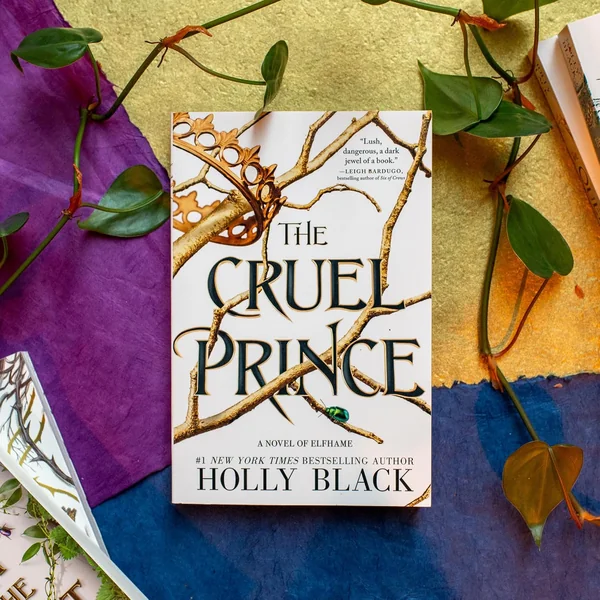
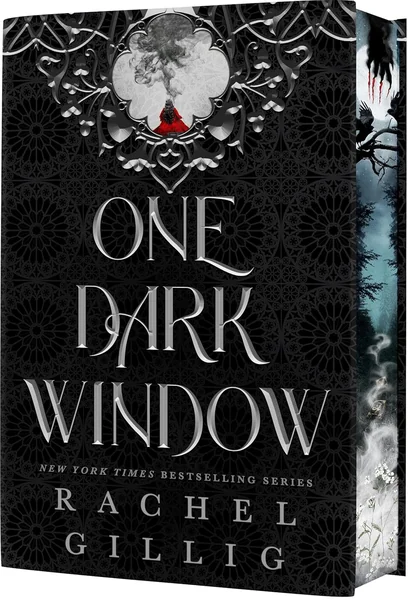
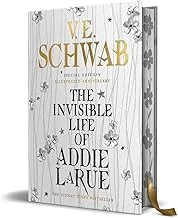
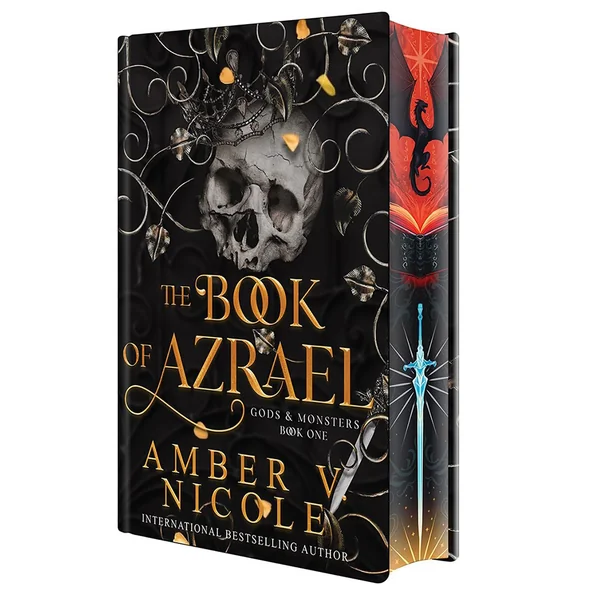
- Readers who enjoy Once Upon a Broken Heart tend to gravitate toward other dark, lushly written fantasy romances. V.E. Schwab's The Invisible Life of Addie LaRue shares the theme of a desperate bargain with an immortal figure and Schwab's signature atmospheric prose. Amber V. Nicole's The Book of Azrael and Kerri Maniscalco's Kingdom of the Feared both deliver the morally complex supernatural romance and dark-fairytale energy that define Garber's appeal. Rachel Gillig's One Dark Window offers a similarly immersive fantasy world with a dangerous, morally ambiguous supernatural presence. For readers drawn to the fairytale retelling angle, Rachel Hochhauser's Lady Tremaine explores classic archetypes through a fresh, character-driven lens.
- Who should read this?
- Once Upon a Broken Heart is engineered for readers of young adult fantasy romance who love dark-fairytale premises, morally ambiguous supernatural figures, and emotionally driven heroines. Flatiron Books targets the novel at ages 13–18, and it is specifically well-suited to fans of lush, atmospheric prose and heady romance — the same readership that made the Caraval trilogy a global phenomenon. Existing Garber fans will appreciate the expansion into the mystical North and the foregrounding of the Fates, while newcomers to her fiction will find it a self-contained, accessible entry point. Those who prioritize tightly constructed fantasy systems or restrained prose are less likely to find it satisfying.
- What age is it for?
- Best for readers ages 13 and up. Flatiron Books targets the novel at ages 13–18, and Amazon's grade-level designation of grades 7–9 positions it at the younger end of young adult fiction. The dark-fairytale content — including a bargain with a lethal immortal figure and themes of heartbreak and dangerous consequences — suits the maturity range of teen readers without requiring prior familiarity with Garber's Caraval universe.
- About Stephanie Garber
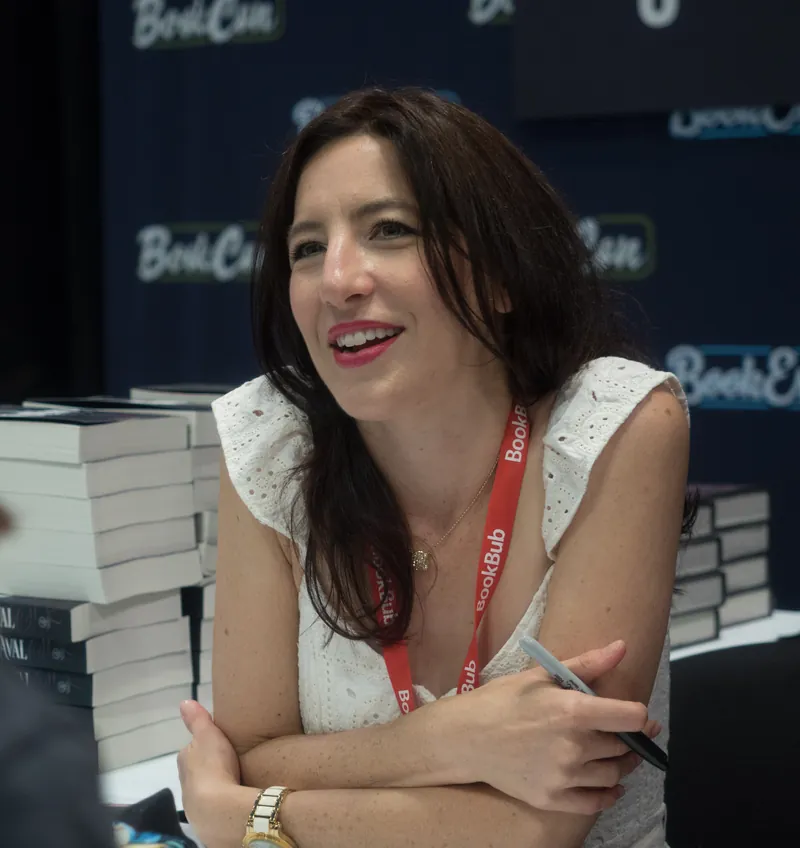
- Stephanie Garber is an American author of young adult fiction known for the Caraval and Once Upon a Broken Heart series, which are interconnected trilogies.
- Why is this book trending?
- Stephanie Garber's Once Upon a Broken Heart is having a real moment on BookTok, with readers sharing reading order guides, spice-level breakdowns, and unboxing videos for a new pink edition of the book. The dark-fairytale romance premise and Garber's already-devoted fanbase make it a natural fit for the platform's romantasy community, and the surge in visibility is bringing both new readers and returning fans back to the series.
- What are the main themes?
- Kirkus Reviews credits Once Upon a Broken Heart with well-rounded thematic substance, noting that "the themes of love, the power of story, family influence, and holding onto belief are well rounded and add depth." The concept of the Fates as a functioning religious system within the world is singled out as a source of genuine thematic interest. At its core, the novel asks what lengths someone will go to for a happily ever after — a question it filters through the dark-romantic tradition of morally complex fairytale storytelling.
- How diverse is the cast?
- Kirkus Reviews notes that Evangeline and several other central human characters read as White, with Luc described as having brown skin. Broader diversity is present among the fantasy races of the world rather than in the primary human cast — a pattern Kirkus flags as a notable limitation of the novel's representation. It is a considered observation from a major review outlet rather than a fringe complaint.
Summarize this book
Follow up
Synthesized from verified book data & published reviews · How we review
Press Enter to ask. Answers come from our editorial Q&A — start typing to see related questions.
Age & Reading Level
Recommended age
Ages 12–15
Reading level
Young adult
2 content notes · who it suits
Content to know about
Best for: Ages 13+ — dark-fairytale content involving a bargain with a lethal immortal and themes of heartbreak and dangerous consequences suit the maturity range of teen readers
Skip if you want tightly constructed fantasy world-building and restrained, precise prose
Our Review
What the Book Is and What Happens
Significance and Place in the Genre
Strengths: Atmosphere, Theme, and Surprise
Limitations: Prose and World-Building Consistency
Who This Book Is For
Sources & Further Reading
The key facts and claims in this review are grounded in the retrieved, verified sources listed below.
- Cited in this review
- 1
- 2
kirkusreviews.com
- Further reading
- 3
Stephanie Garber, Wikipedia
- 4
bookishwayfarer.com
- 5
- 6
utopia-state-of-mind.com
- 7
thetypedwriter.com
- 8
thequilltolive.com
- 9
thestorysanctuary.com
- 10
- 11
us.macmillan.com
- 12
Books like Once Upon a Broken Heart
Curated picks for readers who enjoyed Once Upon a Broken Heart, with our reasoning for each match.
If you liked Once Upon a Broken Heart
Why It’s Trending
BookTok Is Buzzing About Once Upon a Broken Heart Right Now
Stephanie Garber's Once Upon a Broken Heart is having a real moment on BookTok, with readers sharing aesthetics, character deep-dives, and reading order guides. Fan enthusiasm is running high across the whole Caraval universe right now.