7 min read
5.0
· 56 Amazon ratingsShare This Review

The Rhythm Wave: Six Laws to Build a Leadership System Without by Kevin Cover Review: A Systems-Focused Framework for Practical Leaders
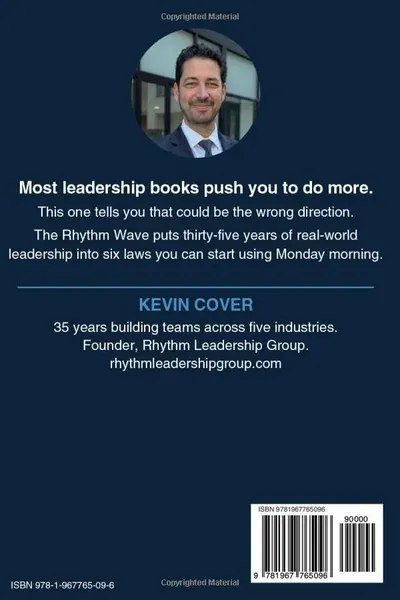
The Rhythm Wave: Six Laws to Build a Leadership System Without by Kevin Cover is a business leadership book structured around six core principles designed to help leaders build a sustainable leadership system, published by True Path Publishing in March 2026.
 Tap to enlarge
LuvemBooks Verdict
Best for
Practicing managers and emerging team leaders who want a concise, structured framework for building a repeatable leadership system rather than a survey of leadership theory.
Worth it if
You're a working manager who struggles with the gap between knowing good leadership principles and consistently applying them, and you want a short, architecturally coherent guide you can act on immediately.
Skip if
Skip it if you prefer leadership books grounded in extensive case studies, organizational psychology research, or academic citations — the principle-forward, six-law format trades breadth and evidentiary depth for concision and system coherence.
Ask LuvemBooks
Was this helpful?
- Is it worth reading?
- For working managers and emerging leaders who want a structured, actionable framework and respect for their limited reading time, The Rhythm Wave delivers a focused value proposition. Its six-law architecture gives it a coherence that distinguishes it from typical leadership titles that address discrete skills without connecting them into a system. The key caveat is that readers who prefer richly contextualized case studies, deep organizational psychology, or extensive research citations may find the principle-forward format too condensed — and those already well-versed in leadership systems thinking may find the content more confirmatory than revelatory.
- Similar books
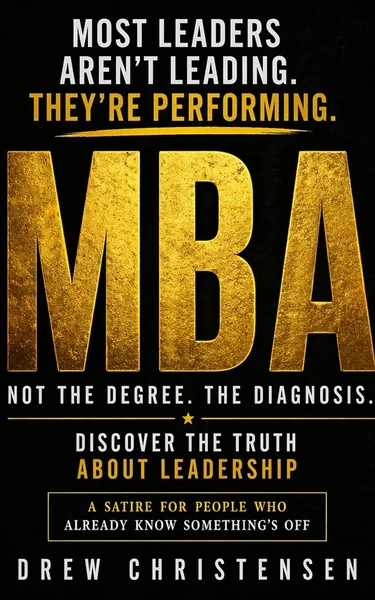
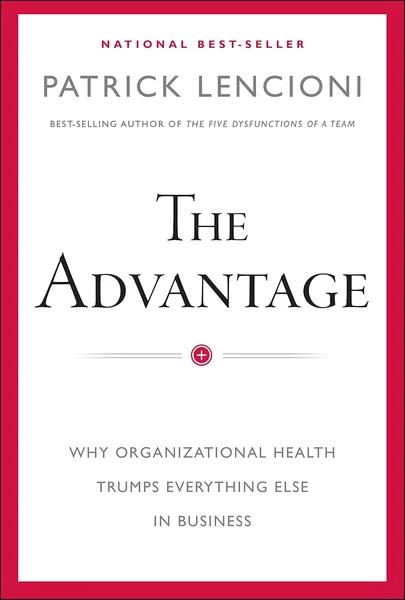
- Readers drawn to The Rhythm Wave's principle-centered, systems-oriented approach will find strong company in several adjacent titles. Patrick Lencioni's The Advantage similarly argues that organizational health — built through integrated disciplines rather than isolated skills — is the ultimate competitive advantage. Jim Collins' Good to Great applies a structured, research-grounded framework to the question of what separates enduring organizations from merely good ones. For readers interested in the habit and system-building dimension of Cover's argument, James Clear's Atomic Habits offers a granular look at how repeatable behaviors compound over time. D.M. Christensen's M.B.A.: Discover the Truth About Leadership rounds out the list as another title that challenges conventional leadership assumptions with a direct, practitioner-focused lens.
- Who should read this?
- The Rhythm Wave is most clearly aimed at practicing managers and emerging leaders who want a concrete, actionable framework for building a sustainable leadership system — particularly those who feel the gap between knowing sound leadership principles and consistently applying them. It is well-suited to working professionals who engage with leadership development reading alongside active job demands and value a structured, navigable format over discursive exploration. Readers who prefer extensive case studies, deep organizational psychology, or academic research citations are likely to find the condensed, principle-forward approach less satisfying.
- What makes the six-law framework distinctive?
- What separates The Rhythm Wave from much of the leadership genre is its insistence on integration: rather than addressing skills like communication, delegation, or feedback as standalone chapters, Cover's six laws are designed to function as components of a larger system, each with a defined relationship to the others. This cumulative logic gives the book a coherence that the review identifies as its most distinctive quality — the framing of leadership as an operational discipline to be designed and maintained, not a personal trait to be cultivated in isolation. The use of 'laws' rather than 'tips' or 'strategies' further signals an intent to ground the content in repeatable, transferable principles.
- What formats is this book available in?
- The Rhythm Wave is available in print, ebook, and audiobook formats, which LuvemBooks notes as a meaningful accessibility asset for readers who consume professional development content in different modes — whether at a desk, on a device, or on the go. Published by True Path Publishing with a release date of March 18, 2026, it is written in English.
- Does it have enough depth for analytical readers?
- Analytical readers who want richly contextualized case studies, deep dives into organizational psychology, or extensive research citations are likely to find The Rhythm Wave's format less satisfying — this is the review's clearest caveat. The book's six-law structure deliberately trades breadth for coherence, prioritizing density and application over exhaustive coverage. Readers looking for an evidence-heavy academic treatment of leadership science should look elsewhere; those who value a clear, repeatable framework will find the approach well-suited to their needs.
Summarize this book
Follow up
Synthesized from verified book data & published reviews · How we review
Press Enter to ask. Answers come from our editorial Q&A — start typing to see related questions.
Age & Reading Level
Recommended age
Adult
Reading level
Adult
who it suits
Skip if you're looking for a research-heavy, case-study-rich treatment of leadership science rather than a concise, principle-forward framework.
Our Review
What the Book Is and What It Sets Out to Do

Premise and Argument
Scope and Structure
Genuine Strengths
Limitations and Ideal Readership
Sources & Further Reading
The key facts and claims in this review are grounded in the retrieved, verified sources listed below.
- Cited in this review
- 1
- 2
rudyct.com
- Further reading
- 3
kevinkruse.com
- 4
therhythmeffect.com
- 5
readingmattersblog.com
- 6
Books like The Rhythm Wave
Curated picks for readers who enjoyed The Rhythm Wave, with our reasoning for each match.
If you liked The Rhythm Wave