Our reviews
1,017 books, each with who it's for, who should skip it, reading level and content notes, and every source we used.
1,017 reviews
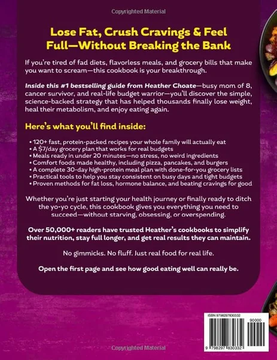
Heather Choate
Best for: Budget-conscious home cooks who want a structured, follow-this program — not a browsable collection — combining high-protein, low-carb eating with a hard $7/day cost ceiling and quick weeknight-friendly recipes.
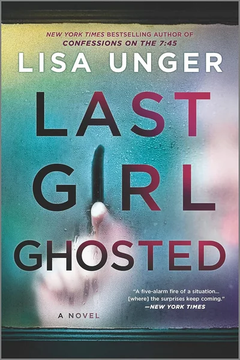
Lisa Unger
Best for: Readers drawn to first-person psychological thrillers where the narrator is as much a mystery as the central suspect, particularly those who find the anonymity of online dating culture genuinely unsettling.
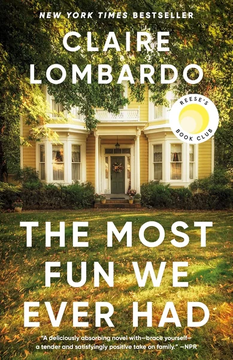
Claire Lombardo
Best for: Readers who love expansive American family sagas — think Anne Tyler or Jonathan Franzen — and want a multigenerational novel that balances dark comedy, sisterly rivalry, and a decades-long love story with genuine literary ambition.
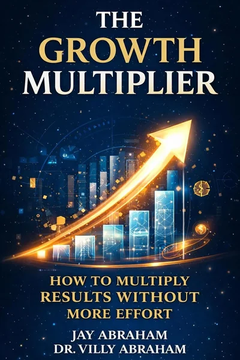
Jay Abraham, Villy Abraham
Best for: Entrepreneurs, CEOs, and business leaders who want a substantive, framework-driven guide to scaling results through leverage, trust, and behavioral strategy — without simply working harder or spending more.
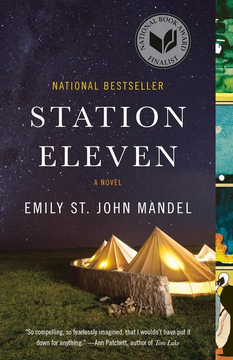
Emily St. John Mandel
Best for: Readers who want a single novel to satisfy both their literary and speculative fiction appetites — particularly those drawn to questions of art, memory, and what civilisation is actually for, rendered through interwoven human lives rather than genre mechanics.
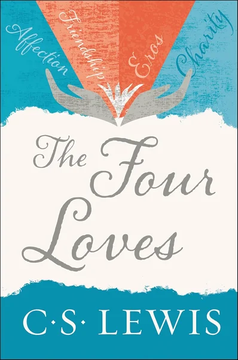
C. S. Lewis
Best for: Readers drawn to Christian philosophy and the ethics of relationship who want a structured, accessible framework for examining the full range of human loves — from everyday affection to the theological ideal of charity.
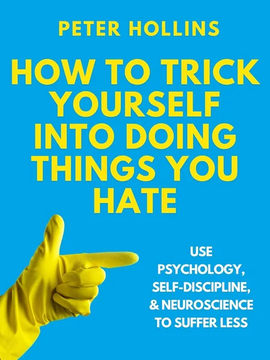
Peter Hollins
Best for: Readers already engaged with productivity self-help who want a compact, psychology-backed playbook for tackling tasks they persistently avoid — particularly those drawn to structured frameworks over generic motivational encouragement.
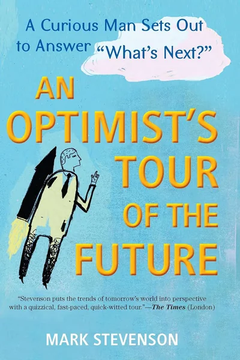
Mark Stevenson
Best for: Curious generalists who want a broad, personality-driven tour of emerging science — synthetic biology, robotics, nanotechnology, alternative energy — without needing a technical background, written in the accessible, narrative-led tradition of Bill Bryson.
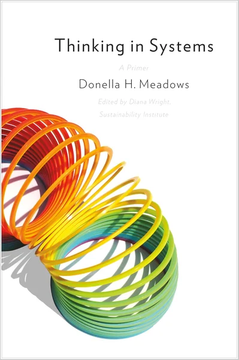
Donella H. Meadows
Best for: Curious non-specialists — whether in ecology, management, programming, or policy — who want a rigorous yet mathematically light conceptual framework for understanding why complex systems behave the way they do.

Inga Aksamit
Best for: JMT hopefuls, Sierra hiking veterans, and armchair adventurers who want an honest, ground-level account of the trail paired with genuinely useful appendices for trip planning.
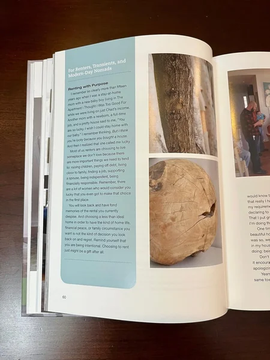
Myquillyn Smith
Best for: Readers who feel paralyzed by an imperfect home, a tight budget, or the pressure to match aspirational interiors — particularly those in busy family households who want practical encouragement over prescriptive design rules.

Alice Walker
Best for: Readers ready to engage with a foundational text of Black women's literature — particularly those drawn to fiction that centres the interior lives of silenced women through the lens of race, gender, and survival in the American South.
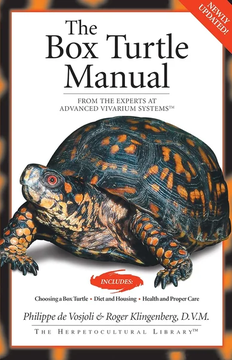
Philippe de Vosjoli, Roger J. Klingenberg
Best for: New or prospective box turtle owners who need a structured, expert-grounded starting point, and existing keepers who want a single reference consolidating husbandry, feeding, and health troubleshooting in one place.
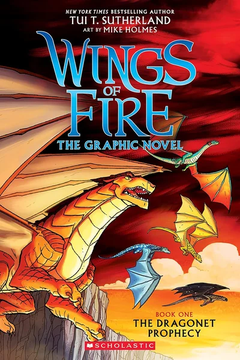
Tui T. Sutherland
Best for: Young readers aged 7–12, especially emerging or reluctant readers who want an accessible visual gateway into one of middle-grade fantasy's biggest worlds before tackling the full prose series.
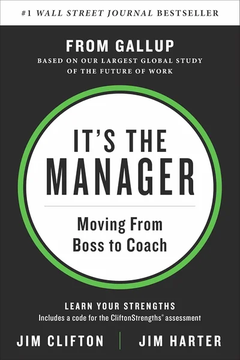
Jim Clifton, Jim Harter
Best for: HR leaders, managers navigating multigenerational teams, and executives driving cultural change who want a data-backed case for shifting from directive management to a strengths-based coaching model.
Laura Lynne Jackson
Best for: Readers who are grieving the loss of a loved one and are open to the idea that meaningful connection continues beyond death — particularly those who already engage with spiritual or metaphysical frameworks and want both emotional comfort and practical guidance on recognising signs in everyday life.
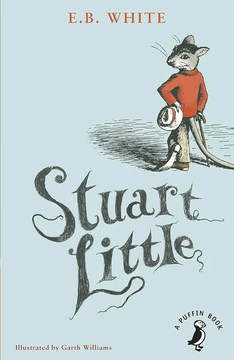
E. B. White
Best for: Parents, teachers, and early chapter-book readers who love the gentle anthropomorphic tradition of The Wind in the Willows or Charlotte's Web and want a witty, episodic classic well-suited to reading aloud in installments.
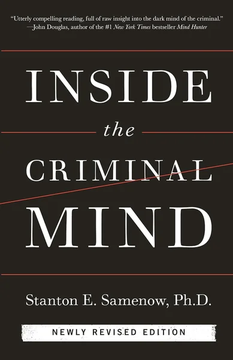
Stanton Samenow
Best for: Practitioners and students in criminal justice, clinical psychology, social work, or forensic fields who want a sharply argued, cognitively grounded framework for understanding and intervening in criminal behaviour.
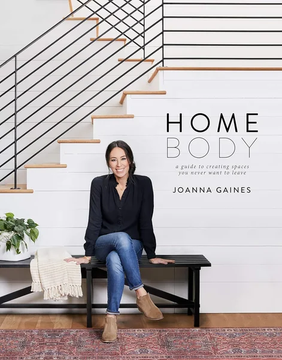
Joanna Gaines
Best for: Homeowners and renters who want a personality-driven, room-by-room framework for decorating that begins with self-assessment and personal storytelling rather than prescriptive rules — especially those with a specific space or renovation project already in mind.
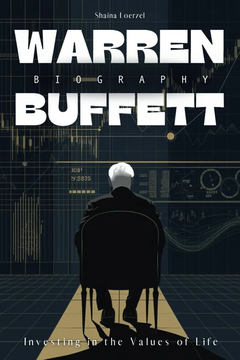
Shaina Loerzel
Best for: Readers new to Warren Buffett's story who want a concise, values-centred introduction that connects his investment decisions to the personal principles — patience, frugality, and long-term thinking — that shaped them.
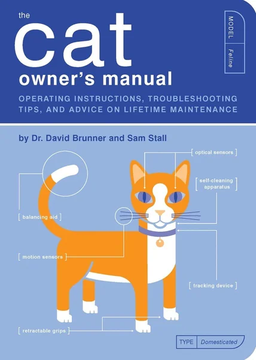
Sam Stall, Dr. David Brunner
Best for: First-time cat owners who want approachable, veterinarian-backed answers to everyday feline behaviour, and gift-givers seeking something entertaining without being empty.
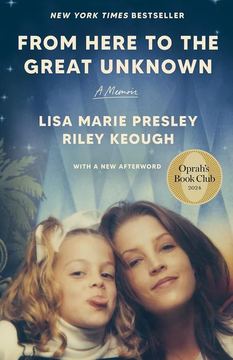
Lisa-Marie Presley, Riley Keough
Best for: Readers who want a candid, emotionally unsparing memoir about addiction, grief, and an extraordinary life — particularly those drawn to accounts that resist celebrity gloss and engage seriously with trauma and loss across generations.

Karen Mordechai
Best for: Home cooks who already love — or want to build — a ritual of gathering, and who need a practical, occasion-based framework of seasonal, crowd-pleasing menus that makes hosting feel unhurried rather than technically demanding.
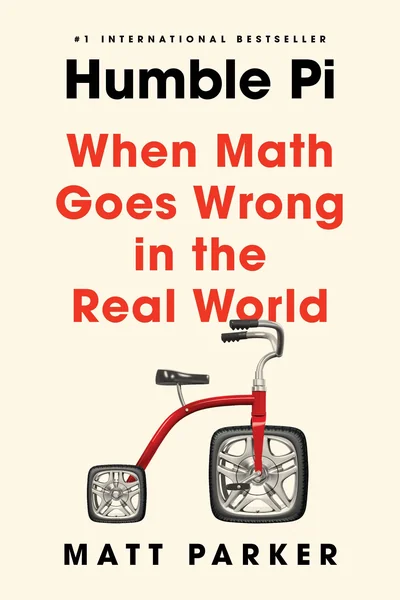
Matt Parker
Best for: Mathematically curious readers with little or no formal training who want to understand why math actually matters — through a curated, witty tour of real-world disasters caused by numerical and computational failures.
