
8 min read
4.7
· 964 Amazon ratingsShare This Review
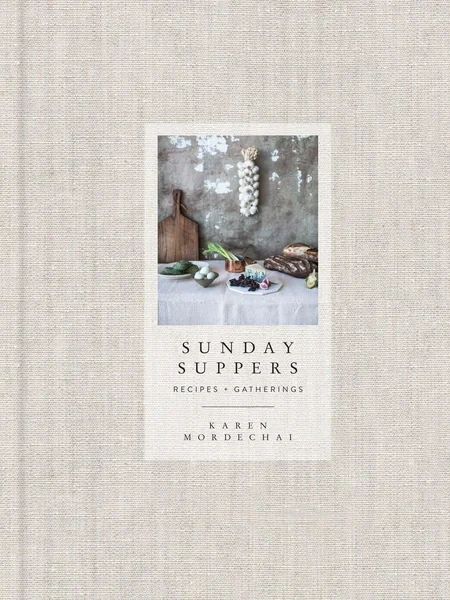
Sunday Suppers: Recipes + Gatherings by Karen Mordechai Review: A Community-Driven Seasonal Entertaining Cookbook
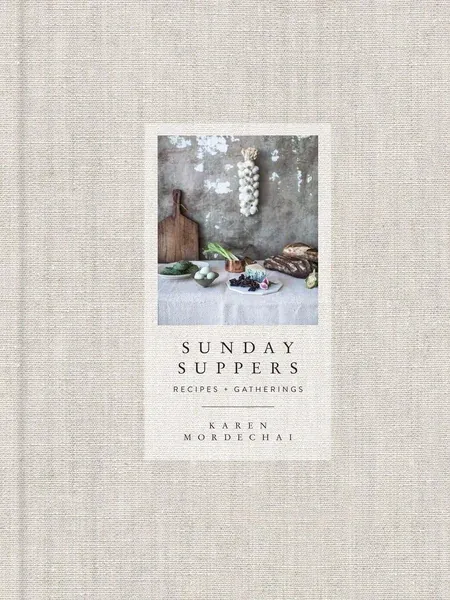
Sunday Suppers: Recipes + Gatherings is a cookbook by Karen Mordechai, published by Clarkson Potter in 2014, that translates her acclaimed Brooklyn-based dinner series into 100 seasonally driven recipes designed to bring friends and strangers together around a communal table. This review assesses the book's content, organisation, and published reception — not a kitchen test.

 Tap to enlarge
LuvemBooks Verdict
Best for
Home cooks who already love — or want to build — a ritual of gathering, and who need a practical, occasion-based framework of seasonal, crowd-pleasing menus that makes hosting feel unhurried rather than technically demanding.
Worth it if
You entertain regularly (or aspire to) and want a coherent philosophy alongside 100 accessible, seasonally driven menus — complete with integrated photography that makes the whole project feel grounded in a real community rather than aspirational lifestyle staging.
Skip if
You reach for cookbooks primarily to stretch your technical range — advanced technique, complex restaurant-style recipes, or deep single-subject expertise — because Mordechai's deliberately unfussy, gathering-first scope will feel too narrow.
What readers & critics say
Cookbookdivas.com described it as an "excellent" 2014 cookbook worth reviewing years after publication. Dollyandoatmeal.com praised the book's gatherings and recipes as "not just beautifully organized but inspiring," noting it gently nudges readers to host their own gatherings. Decor8blog.com, in an author interview, highlighted Mordechai's own goal that the recipes be "beautiful and inspiring but at the same time super attainable and not overly fussy."
Sources: Cookbook Divas, Dolly and Oatmeal, Decor8 BlogAge & Reading Level
Recommended age
Adult
Reading level
Adult
who it suits
Skip if you want a broad culinary reference with advanced techniques or a recipe index organised by ingredient and course.
In This Review
- What Works & What Doesn't
- What the Book Actually Is
- The Cookbook's Place in the Entertaining Genre
- Strengths: Accessibility, Seasonality, and Tone
- Limitations and Who May Find It Frustrating
- Who This Book Is For
What Works & What Doesn't
What Works
- 100 seasonally driven recipes are structured around complete menus for gatherings, giving hosts a practical, occasion-based framework rather than a loose collection of standalone dishes
- Heidi Swanson praised the recipes as 'accessible, seasonal, and crowd-pleasing' and commended Mordechai for making it all feel doable without a lot of fuss — a genuine strength for home entertainers
- Melissa Hamilton and Christopher Hirsheimer of Canal House Cooking called it 'a beautiful meditation on the satisfaction of gathering,' reflecting strong peer recognition within the food-writing community
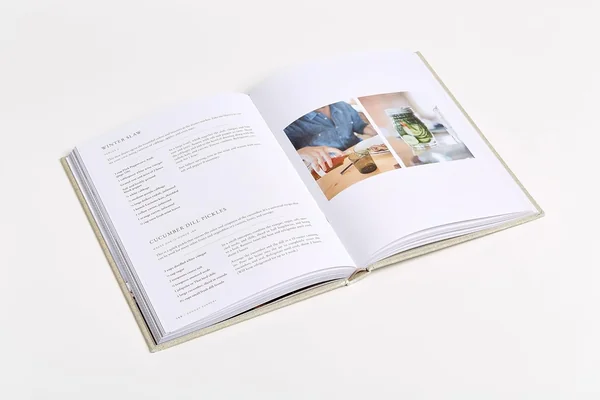
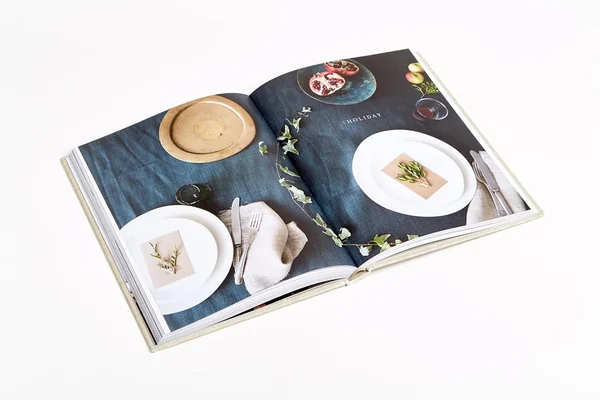
- Mordechai's own evocative photography and understated styling are integrated throughout, giving the book a cohesive visual and editorial identity rooted in the actual dinner series
- Designed to work for novice and experienced cooks alike, lowering the barrier to entry for readers who want to host but find other entertaining cookbooks intimidating
What Doesn't
- The deliberate focus on simple, communal cooking means the book is not designed for cooks seeking advanced technique, complex recipes, or deep single-subject culinary expertise
- The menu-driven structure, organised around occasions rather than conventional categories, can make it less practical as a quick-reference resource for everyday single-dish cooking
What the Book Actually Is
The Cookbook's Place in the Entertaining Genre
Strengths: Accessibility, Seasonality, and Tone
Limitations and Who May Find It Frustrating
Who This Book Is For
Frequently Asked Questions
Sources & Further Reading
The key facts and claims in this review are grounded in the retrieved, verified sources listed below.
- Cited in this review
- 1
- 2
decor8blog.com
- Further reading
- 3
sunday-suppers.com
- 4
dollyandoatmeal.com
- 5
- 6
- 7
penguinrandomhouse.com
- 8
Related Reviews
Reviews of books we picked for readers who enjoyed Sunday Suppers.
Reader Comments
No comments yet
Be the first to share your thoughts!