Our reviews
1,017 books, each with who it's for, who should skip it, reading level and content notes, and every source we used.
405 reviews match
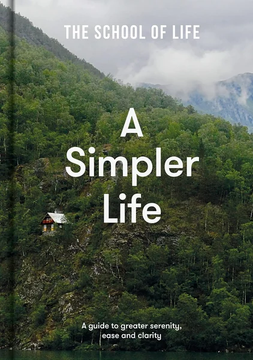
The School of Life
Best for: Readers who feel overwhelmed by modern life and suspect the problem runs deeper than clutter or a packed schedule — particularly those open to philosophical and psychological self-examination across relationships, work, and lifestyle.
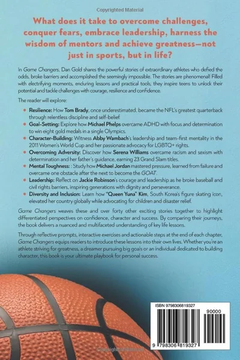
Dan Gold
Best for: Teens navigating self-doubt and big goals — and the parents or educators looking for a structured, sports-grounded resource to spark those conversations — who want inspiration backed by practical reflection exercises rather than deep sports journalism.
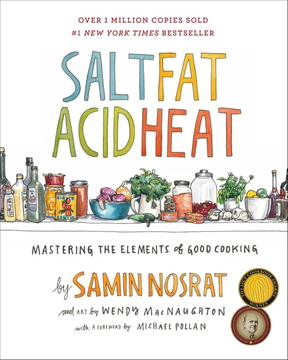
Samin Nosrat
Best for: Home cooks at any level — from complete beginners to confident kitchen regulars — who want to understand the principles behind why food tastes good rather than simply accumulate more recipes to follow.
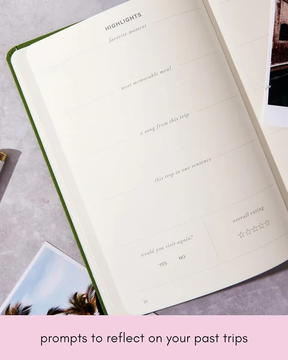
Kunitsa Co
Best for: Travelers who want a single, structured keepsake that guides them through both pre-trip planning and post-trip reflection — and gift-givers looking for a purposeful, presentation-ready alternative to a generic blank notebook.
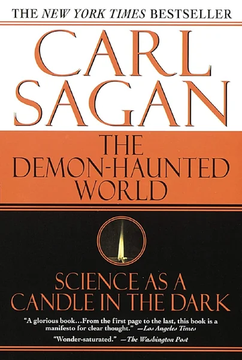
Carl Sagan
Best for: General readers — especially those without a scientific background — who want a clear, story-driven explanation of how science works and why skeptical thinking matters for everyday civic life.
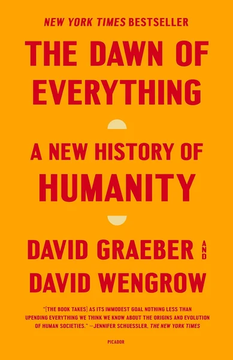
David Graeber
Best for: Intellectually engaged general readers, students, and scholars in history, anthropology, archaeology, or political theory who want a rigorous, evidence-based challenge to the deterministic storylines advanced by Harari, Pinker, Diamond, and their peers.
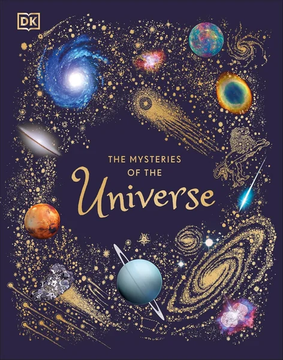
Will Gater
Best for: Children aged 6–8 with a budding interest in space who need a richly visual, accessible first reference that works equally well as a family read-aloud and as an independent browse.
Tess Han
Best for: Readers at an early or exploratory stage of self-compassion work who respond better to warm, emotionally direct encouragement than to clinical or research-heavy frameworks, and anyone seeking a low-barrier, giftable wellness journal.
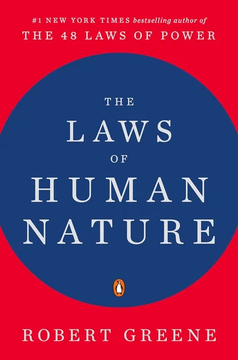
Robert Greene
Best for: Adults navigating complex professional and social environments who want a modular, historically grounded framework for understanding colleagues, rivals, and their own psychological blind spots — especially those already engaged with Greene's earlier works like The 48 Laws of Power.
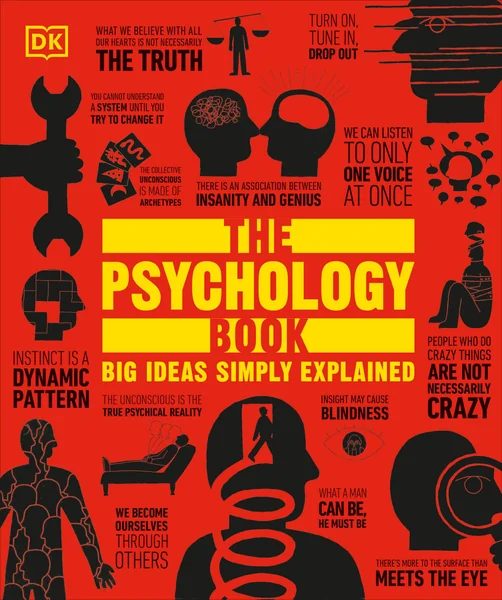
DK
Best for: Curious general readers and students with no prior psychology background who want a visually rich, well-organised survey of the field's biggest ideas — from ancient philosophy through to contemporary science — without wading through dense academic prose.
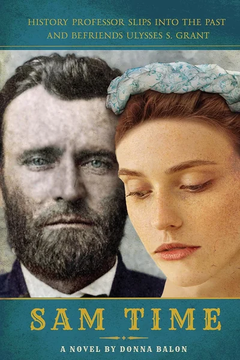
Donna Balon
Best for: Readers who love historical fiction and time-travel fantasy in equal measure — especially those with a pre-existing interest in the Civil War era, Ulysses S. Grant's life, or Victorian social history who want imaginative storytelling anchored in documented fact.
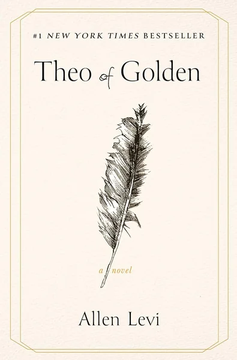
Allen Levi
Best for: Readers who love quietly life-affirming, character-driven fiction — particularly fans of Fredrik Backman or Matt Haig — who want to follow a singular, warm-hearted protagonist as he builds community one portrait and handwritten letter at a time.
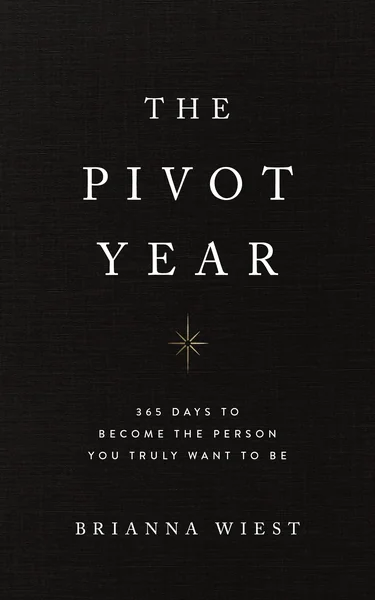
Brianna Wiest
Best for: Readers at a genuine inflection point — navigating a career change, recovering from a loss, or feeling their daily life has drifted from their values — who thrive with structured, incremental support and respond well to emotionally direct, motivational language.
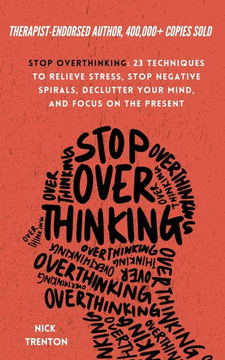
Nick Trenton
Best for: Readers at the beginning or middle of their anxiety-management journey who recognise themselves in chronic mental loops and want a structured, numbered toolkit of actionable techniques rather than a philosophical or clinical text.
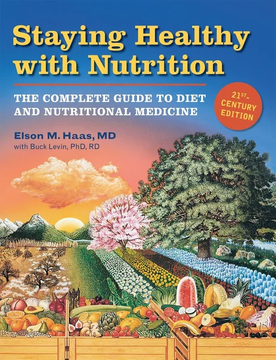
Elson M. Haas, Buck Levin
Best for: Integrative medicine practitioners, nutritional therapy students, and serious health researchers who need a single, systematically organised reference spanning macronutrient science, global dietary traditions, environmental health hazards, and condition-specific clinical protocols.
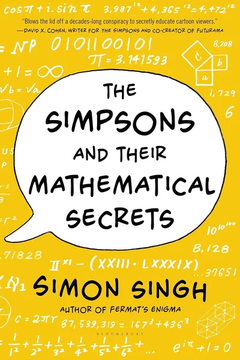
Simon Singh
Best for: Simpsons fans with a curiosity about mathematics who want a genuinely educational popular-science read that uses beloved episodes as a doorway into topics from Fermat's Last Theorem to cosmological equations — no formal maths background required.
Matt Tenney
Best for: Beginners dealing with chronic overthinking or stress who want a structured, low-barrier introduction to mindful self-awareness — grounded in an author's lived journey from incarceration and monastic practice to corporate consulting — rather than a research-heavy or philosophically advanced treatment.
Tahir Shah
Best for: Readers who enjoy fish-out-of-water expatriate memoirs — particularly fans of Peter Mayle or Frances Mayes — and who are open to a story where Moroccan jinn lore and folkloric belief are treated as seriously as bricks and mortar.
Paulo Coelho
Best for: Readers at a crossroads — those questioning whether they have honoured their own ambitions, or younger readers encountering big questions of purpose and destiny for the first time — who want a story that addresses those themes directly, without requiring theological or philosophical background.
Rick Rubin
Best for: Creatives at any stage — writers, musicians, designers, developers — who want a philosophical companion to return to repeatedly for renewed perspective on what it means to live and work as an artist.
Kylie Sakaida
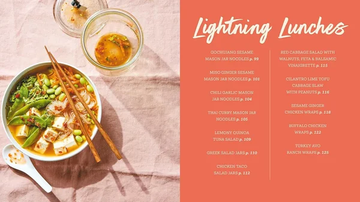
Best for: Home cooks who want a registered dietitian's evidence-based nutrition guidance delivered in plain, social-media-friendly language alongside a globally inflected recipe collection spanning everyday breakfasts to weeknight dinners and desserts.
William Irwin, Mark T. Conard, Aeon J. Skoble
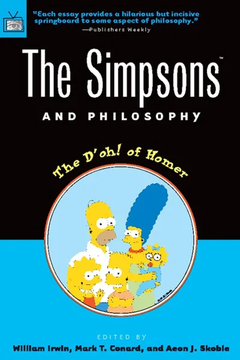
Best for: Simpsons fans curious about Western philosophy — and philosophy students or instructors looking for an engaging, pop-culture-grounded entry point into thinkers from Aristotle to Nietzsche.
Glennon Doyle
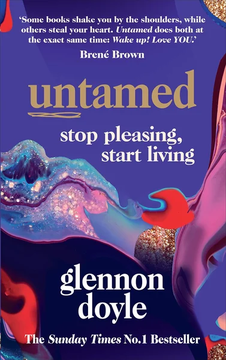
Best for: Readers — particularly women — who are ready to interrogate whether the life they are living reflects their own values or an identity handed to them by family, religion, or culture, and who are drawn to memoir that blends confessional personal narrative with spiritual and cultural argument.
Norrie Gilliland
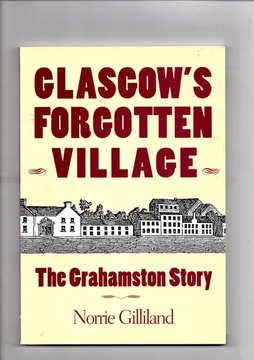
Best for: Glasgow heritage enthusiasts, local historians, and urban archaeology readers who want a rigorously evidenced account of Grahamston — the community obliterated to build Glasgow Central Station.
