Share This Review

The Simpsons and Philosophy: The D'oh! of Homer by William Irwin, Mark T. Conard & Aeon J. Skoble Review: A Landmark Pop-Philosophy Essay Collection

Published by Open Court in 2001 as the second entry in its Popular Culture and Philosophy series, this edited non-fiction collection brings together eighteen academic essays that use The Simpsons as a lens for examining genuine philosophical questions — from Aristotelian ethics and Nietzschean rebellion to the nature of human pleasure, religion, and sexuality in politics. It has sold over 203,000 copies, making it the best-selling title in its series, and has been adopted as a course text at universities including Siena Heights University. Both Booklist and Publishers Weekly offered strong critical notices on its release.

LuvemBooks Verdict

Best for

Simpsons fans with a curiosity about Western philosophy — or philosophy students and educators looking for an accessible, character-anchored entry point to ethics, religion, political philosophy, and the nature of pleasure.

Worth it if

You want substantive philosophical inquiry that uses familiar, beloved characters as a foothold — especially if you're open to dipping into individual essays rather than reading cover to cover.

Skip if

You're looking for a single, unified argument with one authorial voice, or your relationship with The Simpsons is shaped primarily by seasons aired after 2001 — the book's cultural frame of reference stops there.

What readers & critics say

According to Wikipedia, the book has been "extremely successful, both in sales and critically," with over 203,000 copies sold — making it the best-selling volume in Open Court's Popular Culture and Philosophy series — and has been adopted as a main text in university philosophy courses. Metapsychology.net notes that the collection does not aim at the specialist but instead uses The Simpsons as a means of illustrating traditional philosophical ideas, positioning it squarely as an accessible introduction rather than a scholarly monograph.

Sources: Wikipedia, Metapsychology.net
4.6from 171 Amazon ratings— reader ratings, not a LuvemBooks score
In This Review
  • What Works & What Doesn't
  • What the Book Is and What It Contains
  • Its Place in the Genre and the Popular Culture and Philosophy Series
  • Critical and Academic Reception
  • Genuine Strengths of the Collection's Approach
  • Limitations and Who May Be Frustrated

What Works & What Doesn't

What Works
  • The best-selling volume in Open Court's Popular Culture and Philosophy series, with over 203,000 copies sold — a track record that speaks to broad, durable appeal
  • Praised by Booklist for making erudite philosophical concepts accessible through the lens of the show, and by Publishers Weekly as a compelling rebuttal to those who dismiss The Simpsons as intellectually lightweight
  • Adopted as a course text at Siena Heights University, confirming its value as a genuine academic resource
  • Covers a wide range of philosophical domains — ethics, religion, political philosophy, and the nature of pleasure — through specific character-to-philosopher pairings (Homer/Aristotle, Bart/Nietzsche)
  • Edited by three philosopher-contributors (Irwin, Conard, and Skoble), ensuring the collection reflects both editorial coherence and active scholarly engagement
What Doesn't
  • As an anthology of eighteen essays from different academic contributors, the collection is inherently discontinuous — readers seeking a single sustained argument or unified authorial voice will find the format fragmented
  • Written against the show as it existed in 2001, the book does not engage with the characters, episodes, or cultural developments of the many seasons that followed its publication
A commercially and critically successful non-fiction essay collection, The Simpsons and Philosophy demonstrates that Springfield's most famous family can hold its own against Aristotle and Nietzsche.

What the Book Is and What It Contains

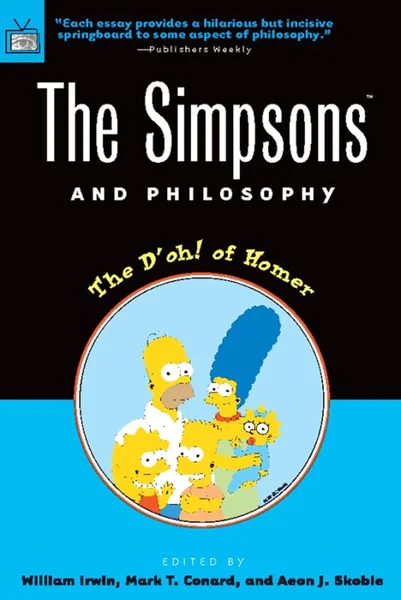
The Simpsons and Philosophy: The D'oh! of Homer (Popular Culture and Philosophy, 2) by Author front cover
The Simpsons and Philosophy: The D'oh! Of Homer is a non-fiction essay anthology published by Open Court on February 28, 2001. Edited by William Irwin, Mark T. Conard, and Aeon J. Skoble — each of whom also contributed one of the book's eighteen essays — it draws on the expertise of eighteen academics working in philosophy. The collection analyzes both the philosophical content of the animated sitcom The Simpsons and the show's broader effects on popular culture. Topics are concrete and character-driven: essays draw comparisons between Homer Simpson and Aristotle, and between Bart Simpson and Friedrich Nietzsche. Religion surfaces as a recurring thread, with essays examining the guilt Homer feels over skipping church and the theological problem posed by Ned Flanders suffering repeated tragedies despite his devout adherence to scripture. The collection also addresses the show's stances on sexuality in politics and probes why Homer's appeal crosses cultural boundaries — arguing that he speaks to fundamental conflicts about what gives human beings pleasure.
When The D'oh! Of Homer appeared in 2001, it was only the second volume in Open Court's Popular Culture and Philosophy series, a line that has since grown to encompass eighty titles. The book's commercial performance was exceptional: it has sold over 203,000 copies, making it the best-selling entry in the entire series, according to Wikipedia's documented record. That achievement matters beyond bragging rights. It signaled to academic publishers that rigorous philosophical writing, when anchored to a beloved cultural touchstone, could reach a genuinely mass readership — a proof of concept that helped shape the broader pop-philosophy publishing category now taken for granted. The collection occupies an unusual position: it is neither a fan companion nor a dry monograph, but a work designed to use the show's richness as an on-ramp to substantive philosophical inquiry.

Critical and Academic Reception

Critical notices at publication were strong. Critics wrote that the essays "make erudite concepts accessible by viewing things through the lens of a great cartoon series," a judgment that captures the book's central design strategy. Publishers Weekly offered a pointed endorsement aimed squarely at skeptics: "Fans of The Simpsons are certain to find this book to be the perfect rebuttal for those who dismiss the show as a no-brainer." Beyond trade reviews, the book earned a foothold in higher education. At Siena Heights University, a course titled "Animated Philosophy and Religion" uses it as one of its main texts — a mark of institutional credibility that few pop-culture essay collections achieve. Together, the commercial figures, trade reviews, and academic adoption form a consistent picture of a book that landed with unusual force across multiple audiences.

Genuine Strengths of the Collection's Approach

The anthology's core strength lies in its editorial strategy: by pairing specific, named characters with specific, named philosophers, the essays give readers a stable and familiar foothold before pulling them into more demanding conceptual territory. A reader who knows Homer's couch-bound inertia has a ready intuition when an essayist invokes Aristotle's conception of eudaimonia; a reader who has watched Bart defy authority has context for engaging with Nietzsche's challenge to conventional morality. The editors — Irwin, Conard, and Skoble — structured the collection to cover a wide range of philosophical domains: ethics, religion, political philosophy, and the philosophy of pleasure all receive dedicated attention. That breadth means the book functions both as a survey of philosophical problems and as a multi-angle examination of a single cultural object, giving it durability as a teaching text.

Limitations and Who May Be Frustrated

Because the book is an anthology assembled from eighteen distinct academic contributors rather than a single sustained argument, the depth and accessibility of individual essays will vary. Readers looking for a unified narrative through-line, or a single authorial voice guiding them cover to cover, will find the essay-collection format inherently discontinuous. The book was also written with reference to the show as it stood in 2001, meaning episodes, characters, and cultural dynamics that emerged in the show's subsequent decades are outside its scope. For readers whose engagement with The Simpsons is primarily shaped by later seasons, some of the cultural reference points grounding the philosophical arguments will feel more distant. These are structural realities of the format and the publication moment, not failures of execution — but they are worth knowing before purchase.

Sources & Further Reading

The key facts and claims in this review are grounded in the retrieved, verified sources listed below.

  1. Cited in this review
  2. 1
  3. Further reading
  4. 2
  5. 3
  6. 4
Related Reviews

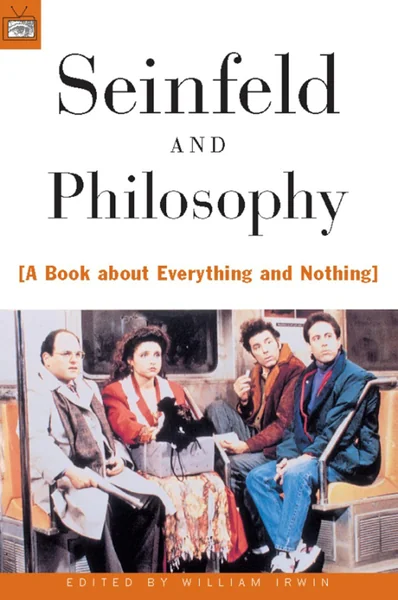
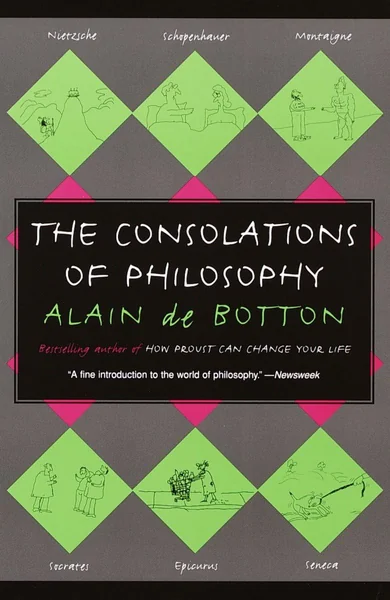
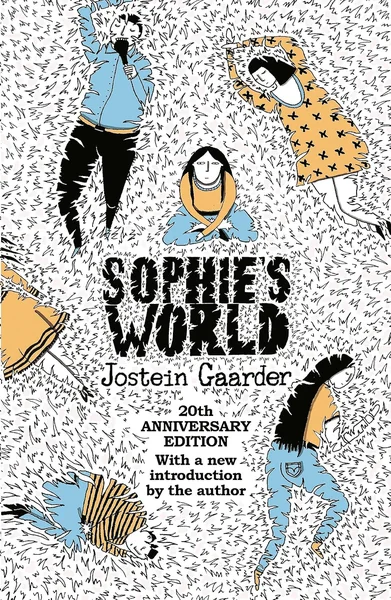
Reviews of books we picked for readers who enjoyed The Simpsons and Philosophy.