Our reviews
1,017 books, each with who it's for, who should skip it, reading level and content notes, and every source we used.
233 reviews match
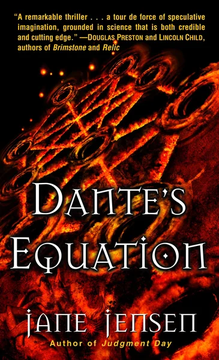
Jane Jensen
Best for: Readers who prioritise ideas over character warmth and are drawn to ambitious speculative fiction that fuses Holocaust history, Kabbalistic mysticism, Torah-code scholarship, and multiverse physics into a single conceptual framework — the audience that already gravitates toward Philip K. Dick or early Neal Stephenson.
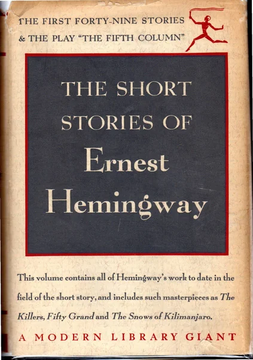
Ernest Hemingway
Best for: General readers and students who want a single, durable Modern Library hardcover gathering Hemingway's most celebrated short fiction — from the Nick Adams cycle to "Hills Like White Elephants" — without the critical apparatus of a scholarly edition.
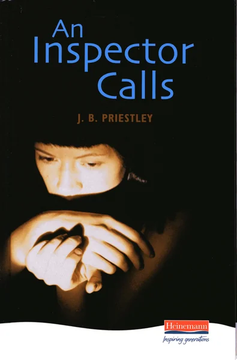
J.B. Priestley
Best for: Students tackling the play as a GCSE or IGCSE set text, and general readers seeking a compact, high-stakes theatrical argument about class, responsibility, and moral complicity that can be absorbed in a single sitting.
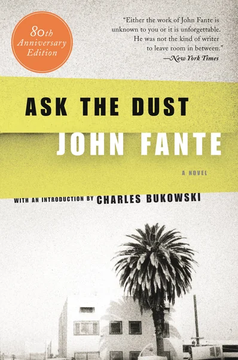
John Fante
Best for: Serious readers of American fiction who are drawn to the literature of place — Los Angeles in particular — or to the tradition of autobiographical modernism and raw, self-lacerating confessional prose.
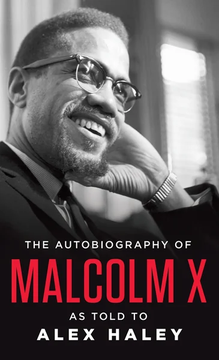
Malcolm X and Alex Haley
Best for: Readers — whether general or students of American history, civil rights, religion, or autobiography as a literary form — who want to encounter Malcolm X's philosophy, his break with the Nation of Islam, and the arc of his thinking in his own constructed voice rather than through a secondary account.
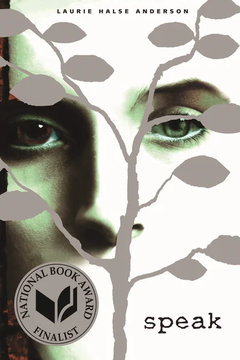
Laurie Halse Anderson
Best for: Young readers aged 12 and up — particularly those in grades 7–9 — navigating questions of consent, identity, and self-expression, as well as adults who want to understand why this novel has held such a singular place in YA literature for over two decades.
Barbara W. Tuchman
Best for: Readers curious about the origins of the First World War who want a single, authoritative volume that combines rigorous military and diplomatic history with vivid character portraiture of the statesmen and commanders who stumbled into catastrophe in August 1914.
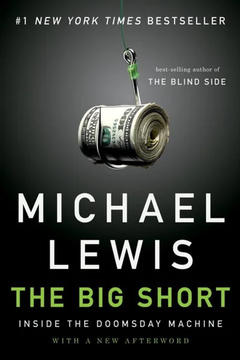
Michael Lewis
Best for: Curious general readers who want to understand how the 2008 financial crisis actually happened — told through the vivid, character-driven stories of the contrarian traders who saw it coming — without needing any prior background in finance.
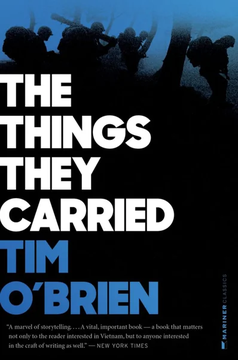
Tim O'Brien
Best for: Readers drawn to questions of how stories carry moral weight — particularly those curious about the Vietnam War's human realities, students of literary craft, or anyone willing to engage with a narrative that deliberately destabilises its own claims to factual truth.
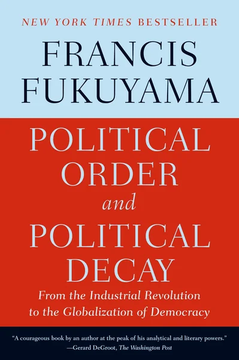
Francis Fukuyama
Best for: Readers with a grounding in political science or comparative history who want a rigorous, historically sweeping diagnosis of how liberal democracies decay from within — particularly those who have already read The Origins of Political Order and want to complete Fukuyama's two-volume project.
Timothy Snyder
Best for: Civically engaged general readers who want a historically grounded, action-oriented introduction to democratic backsliding and how to resist it — without committing to a lengthy academic text.
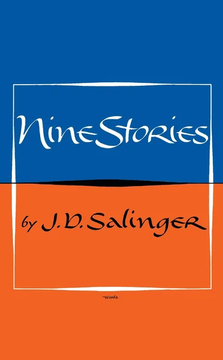
J. D. Salinger
Best for: Readers with a taste for precise, emotionally charged short fiction who are willing to sit with ambiguity — especially those tracing the arc of Salinger's work or approaching the Glass family for the first time.
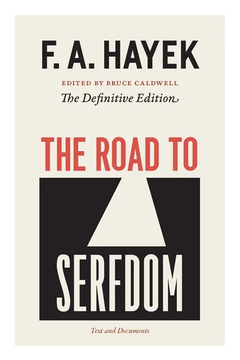
F. A. Hayek
Best for: Readers drawn to the history of economic ideas, political philosophy, or the intellectual battles of the mid-20th century who want to understand how one of the century's most important economists linked central planning to the erosion of individual liberty.
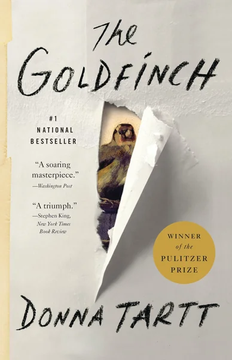
Donna Tartt
Best for: Readers drawn to large-canvas, nineteenth-century-style literary fiction who want a novel that weaves art history, grief, friendship, and moral ambiguity across an expansive, immersively plotted narrative.
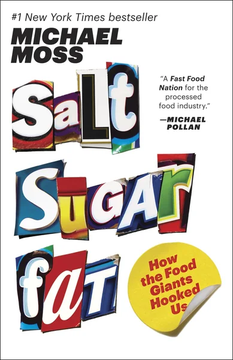
Michael Moss
Best for: Readers drawn to corporate accountability journalism and public health — particularly those who want a rigorously sourced, named-source investigation into how Kraft, Frito-Lay, Nestlé, Coca-Cola, and their peers deliberately engineered processed food to override human self-regulation.
Yuval Noah Harari
Best for: Intellectually curious general readers who want a single, coherent framework for understanding how Homo sapiens came to dominate the planet — from prehistoric origins through empire, capitalism, and the threshold of a post-human future — and who bring no prior background in history, biology, or economics.
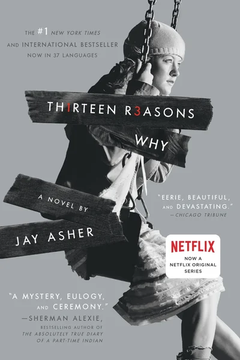
Jay Asher
Best for: Teenage readers and educators looking for a structurally inventive, conversation-starting novel about the ripple effects of social cruelty, bullying, and indifference on a young person's life — best approached with a discussion framework in place.
