Our reviews
89 fiction books we've reviewed, each with who it's for, who should skip it and every source we used.
89 reviews match
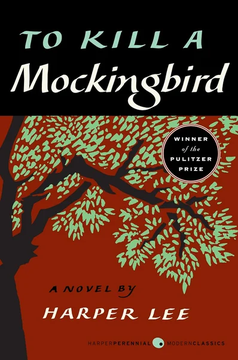
Harper Lee
Best for: Readers aged 14 and up — particularly those drawn to Southern Gothic fiction, courtroom drama, or coming-of-age stories — who want a morally serious novel that uses a child's perspective to illuminate racism and injustice in Depression-era America.
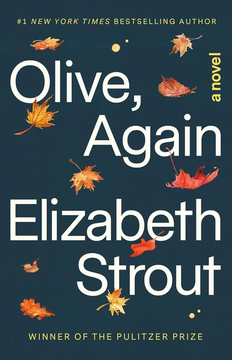
Elizabeth Strout
Best for: Readers who loved Olive Kitteridge and want to follow its prickly, deeply human protagonist into late life through Strout's precise, plainspoken prose and mosaic storytelling.
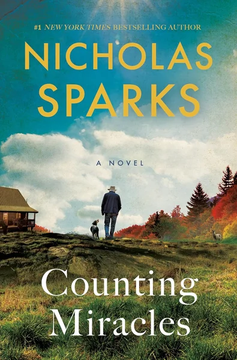
Nicholas Sparks
Best for: Devoted Nicholas Sparks readers who want his signature blend of small-town romance, spiritual reflection, and emotionally cathartic storytelling delivered with confident, well-honed craft.
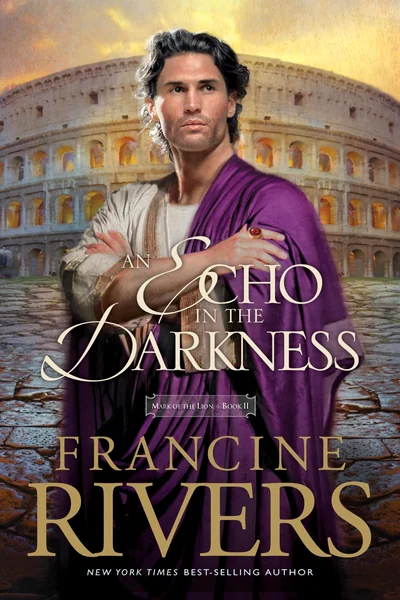
Francine Rivers
Best for: Readers already invested in Francine Rivers's Mark of the Lion trilogy who want Christian historical fiction that explores faith, forgiveness, and early Roman persecution with genuine moral complexity rather than easy resolution.
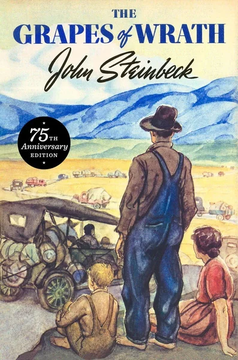
John Steinbeck
Best for: Readers who want to own a presentation-quality hardcover of one of the most decorated novels in American literature — particularly those drawn to the commemorative design of Elmer Hader's original cover art and Michael Schwab's endpapers — as well as first-time readers approaching the Joads' story of Dust Bowl dispossession for the first time.
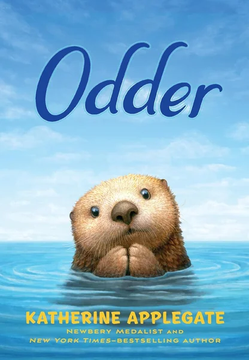
Katherine Applegate
Best for: Readers aged 8 and up — particularly those drawn to marine life, animal stories, or verse fiction — who want an ecologically grounded, emotionally honest coming-of-age story told from a wild animal's perspective.
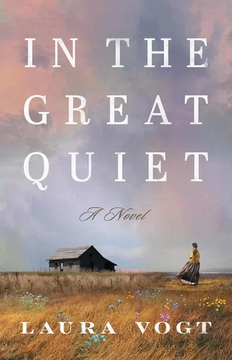
Laura Vogt
Best for: Readers of literary historical fiction who want a slow, immersive, place-driven story about a woman's inner transformation — specifically those drawn to atmospheric prose, psychological interiority, and the complex social landscape of the American frontier.
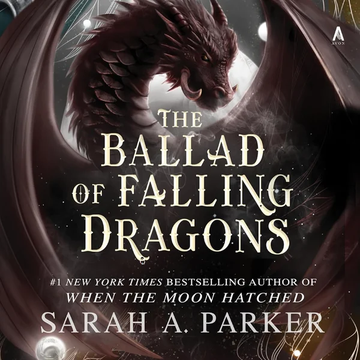
Sarah A. Parker
Best for: Readers already invested in the Moonfall duology — particularly fans of dark romantasy with serious stakes, grief-laden central relationships, and intricate world-building — who are ready to see Kaan and Raeve's story through to its conclusion.
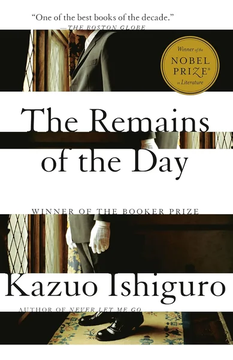
Kazuo Ishiguro
Best for: Readers who relish literary fiction of the highest formal ambition — particularly those drawn to unreliable narrators, understated prose, and novels that use one man's emotional self-deception to illuminate questions of class, duty, and political complicity in twentieth-century England.
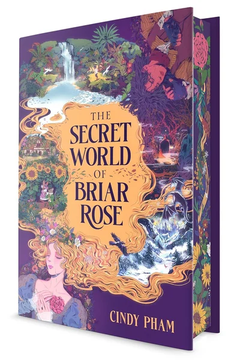
Cindy Pham
Best for: Readers aged 14 and up who want a structurally ambitious, emotionally serious Sapphic fairy-tale retelling and are comfortable with shifting timelines, grief, mental health themes, and queer and nonbinary representation woven into the core cast.
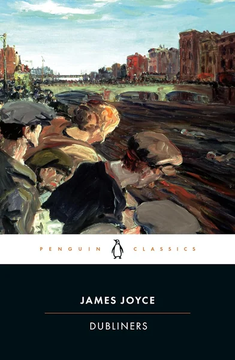
James Joyce
Best for: Students of modernism, readers building a foundation in twentieth-century literature, or anyone who has bounced off Joyce's longer works and wants a genuinely authoritative entry point — complete with scholarly introduction and an estate-endorsed text collated from all known proofs.
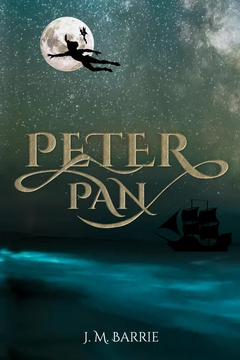
J. M. Barrie
Best for: Families, parents, and educators who want to share Barrie's story in its original, unabridged 1911 form — complete with all 13 of F. D. Bedford's foundational illustrations — for bedtime reading, family read-alouds, or a young reader's first encounter with the classic text.
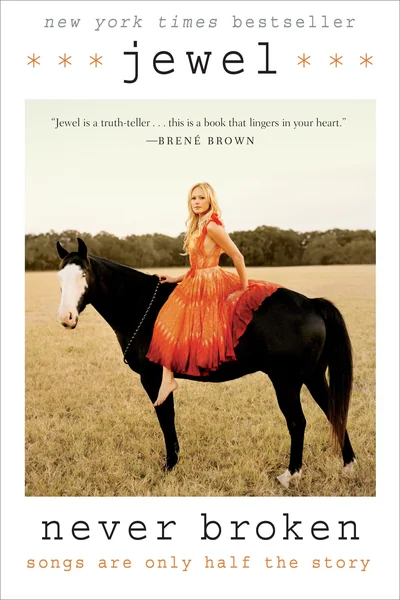
Jewel
Best for: Readers drawn to lyrical, emotionally candid memoirs of survival and creative resilience — particularly those curious about Jewel's years of homelessness and busking before fame, the story behind Pieces of You, or what it genuinely takes to build a creative career from nothing.
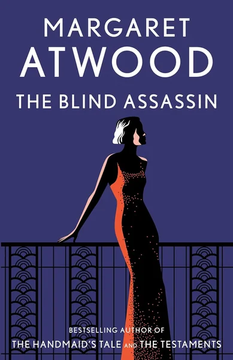
Margaret Atwood
Best for: Readers who relish formally ambitious literary fiction — nested narratives, unreliable retrospective voices, and the slow, satisfying accumulation of withheld truths — and who have an appetite for mid-century Canadian social history and stories about women navigating class, marriage, and silence.
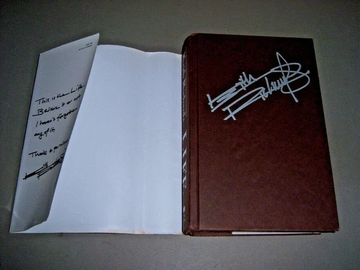
Keith Richards
Best for: Serious music fans — particularly those drawn to the Rolling Stones, blues history, or the craft of guitar playing — who want a deep, candid account of Richards's life rather than a polished celebrity memoir.
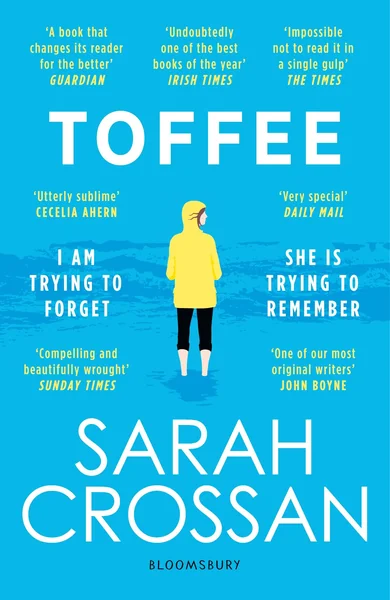
Sarah Crossan
Best for: Older teen readers (and adults) drawn to poetic, emotionally resonant storytelling who want to explore themes of domestic abuse, dementia, and the search for identity through a spare, award-winning verse novel.
Elizabeth Strout
Best for: Readers who appreciate Strout's hallmark compression, working-class interiority, and quietly accumulative emotional power, and who are ready to follow her into a wholly new fictional world built around male loneliness and buried secrets.
Stephanie Dray, Laura Kamoie
Best for: Readers of biographical historical fiction who want their founding-era narratives to grapple honestly with the period's moral contradictions — particularly those drawn to the overlooked women who shaped America's founding generation from behind the scenes.
Elizabeth Strout
Best for: Readers of character-driven American literary realism who are drawn to compressed, scene-level emotional weight and don't require a single sustained plot — particularly those who appreciate linked-story cycles in the tradition of Sherwood Anderson or Alice Munro.
Kristin Hannah
Best for: Readers drawn to emotionally concentrated fiction about mother-daughter estrangement and reconciliation — especially those interested in tracing Kristin Hannah's thematic preoccupations before her later shift to large-scale historical novels.
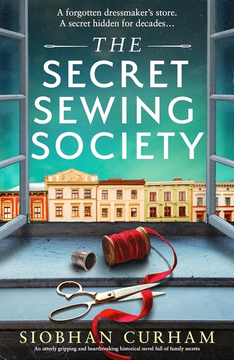
Siobhan Curham
Best for: Readers of emotionally driven multi-generational women's historical fiction — particularly fans of Evie Woods or Fiona Valpy — who want a propulsive family-mystery structure set against the deeply resonant backdrop of Ukraine across two wars.
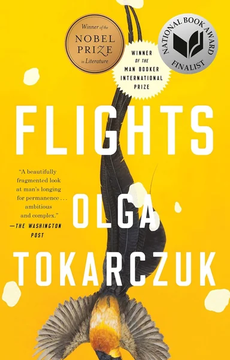
Olga Tokarczuk
Best for: Readers already at home with essayistic, fragmentary fiction — fans of W. G. Sebald, Milan Kundera, or Rachel Cusk's Outline trilogy — who want an intellectually wide-ranging, formally inventive work on travel, the body, and impermanence.
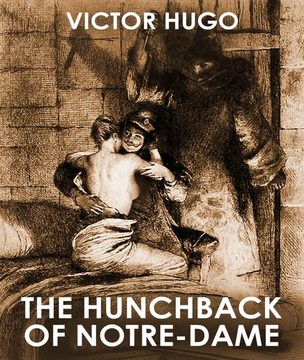
Victor Hugo
Best for: Readers who know Hugo primarily through film or stage adaptations and want to encounter the full, unabridged novel he actually wrote — complete with its architectural arguments, moral complexity, and tragic arc.
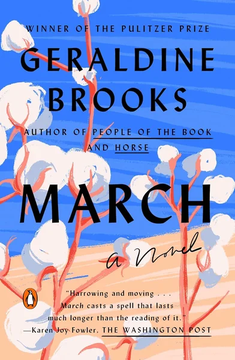
Geraldine Brooks
Best for: Readers of serious literary historical fiction who are curious about the moral and psychological interior of an idealistic man tested by the Civil War — especially those who have ever wondered what lay behind the cheerful letters home in Little Women.
