
8 min read
4.5
· 793 Amazon ratingsShare This Review
Dubliners by James Joyce Review: A Definitive Edition of a Landmark Collection
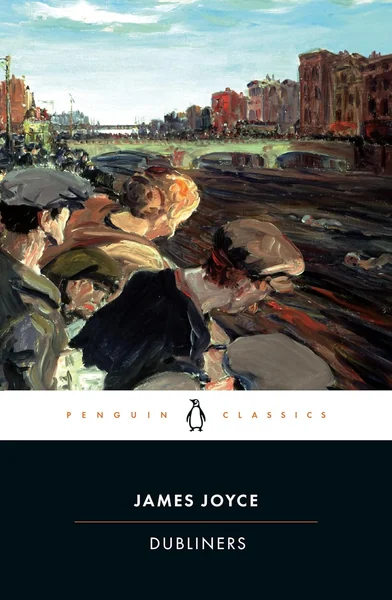
This Penguin Classics edition of Dubliners presents James Joyce's fifteen-story collection in a text authorized by the Joyce estate and collated from all known proofs, manuscripts, and impressions — making it the standard scholarly edition of one of the most celebrated short story collections in the English language. This review covers the book's content, structure, and published critical reception, not hands-on use.
LuvemBooks Verdict
Best for
Students of modernism, readers building a foundation in twentieth-century literature, or anyone who has bounced off Joyce's longer works and wants a genuinely authoritative entry point — complete with scholarly introduction and an estate-endorsed text collated from all known proofs.
Worth it if
You value formal craft over plot momentum and are prepared to sit with stories whose power comes from restraint, implication, and the quiet devastation of an epiphany that offers no rescue.
Skip if
You need conventional dramatic resolution or tonal warmth — Joyce's governing theme of paralysis produces an austere, unrelenting atmosphere across all fifteen stories, and the collection deliberately withholds comfort.
What readers & critics say
The Guardian documents the book's long journey from controversy to canonical standing, noting that Dubliners has "gradually established a proximate if not equal standing" to Ulysses after being long overshadowed by it. NPR records how readers who initially felt disappointed by the collection have returned to discover a genuine love of Joyce, with the stories' narrative epiphanies proving revelatory on re-encounter.
Sources: The Guardian, NPRAge & Reading Level
Recommended age
Adult
Reading level
Adult
2 content notes · who it suits
Content to know about
Skip if you want narrative warmth, redemptive resolutions, or conventional dramatic closure.
Dubliners by James Joyce is Trending
John Huston's 'The Dead' Film Adaptation Back in the Spotlight
John Huston's 1987 film adaptation of 'The Dead' — the final story in Dubliners — is drawing fresh attention, sending readers back to Joyce's original collection. It's a great entry point for anyone curious about the source material behind this acclaimed film.
John Huston's 1987 film The Dead, an adaptation of the closing story in Joyce's Dubliners, has been getting renewed attention lately. The film — Huston's final directorial effort — follows Gabriel Conroy and his wife Gretta at a Dublin Epiphany party in 1904, and it holds a strong reputation as one of the more faithful and moving adaptations of Joyce's work. With the film circulating in conversation again, a lot of readers are heading back to the original short story collection it came from.
For anyone who watches the film and wants more, picking up Dubliners is the natural next step. 'The Dead' is the longest and most celebrated story in the collection, but the other fourteen stories are just as worth your time — they paint a vivid, sometimes melancholy picture of everyday life in early 20th-century Dublin. This Penguin Classics edition is the scholarly standard, built from authorized manuscripts and proofs, so you're getting the most reliable text available.
If you've been on the fence about tackling Joyce, Dubliners is genuinely the most accessible place to start. It's short fiction, not a dense novel, and the film gives you a helpful on-ramp into the world Joyce was building.
In This Review
- What Works & What Doesn't
- What the Book Contains and How It Is Structured
- The Central Argument: Paralysis, Epiphany, and Irish Life
- Significance and Critical Standing
- The Scholarly Apparatus and Editorial Value
- Who This Edition Is For — and Where It Asks Something of the Reader
What Works & What Doesn't
What Works
- Text authorized by the Joyce estate and collated from all known proofs, manuscripts, and impressions — the most authoritative edition available
- Terence Brown's introduction situates the collection within its historical, cultural, and literary context
- The collection's deliberate structure — moving from childhood through public life — gives it a coherence that rewards reading in sequence
- Robert Scholes and A. Walton Litz credit these stories with establishing Joyce's signature mastery of naturalistic detail and symbolic design
- Widely regarded as among the most significant short story collections in the English language, and a genuine entry point to Joyce's larger body of work
What Doesn't
- The stories operate through restraint and implication rather than explicit resolution, which can frustrate readers expecting conventional dramatic closure
- Joyce's governing theme of collective paralysis produces a consistently austere tone throughout the collection — there is little tonal variation across the fifteen stories
What the Book Contains and How It Is Structured
The Central Argument: Paralysis, Epiphany, and Irish Life
Significance and Critical Standing
The Scholarly Apparatus and Editorial Value
Who This Edition Is For — and Where It Asks Something of the Reader
Frequently Asked Questions
Sources & Further Reading
The key facts and claims in this review are grounded in the retrieved, verified sources listed below.
- Cited in this review
- 1
James Joyce, Open Library, (1914)
- 2
en.wikipedia.org
- Further reading
- 3
James Joyce, Wikipedia
- 4
scatteredbooks.com
- 5
foxedquarterly.com
- 6
petrinabinney.com
- 7
riffraffpvd.com
- 8
pilsen.shopopenbooks.com
- 9
interestingliterature.com
- 10
penguinrandomhouse.com
- 11
simonandschuster.com
Related Reviews
Reviews of books we picked for readers who enjoyed Dubliners.
Reader Comments
No comments yet
Be the first to share your thoughts!