
7 min read
4.4
· 13,437 Amazon ratingsShare This Review
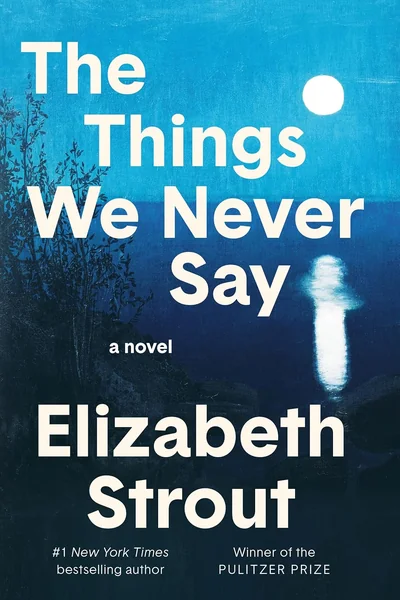
The Things We Never Say by Elizabeth Strout Review: A Quiet, Standalone Revelation
Elizabeth Strout's eleventh novel, published by Random House on May 5, 2026, marks a deliberate departure from her celebrated interconnected Maine universe, introducing a new protagonist — 57-year-old Artie Dam — and exploring male loneliness, the weight of secrets, and the slow, painful work of honest self-knowledge in a compact, scene-driven narrative set in Massachusetts.
LuvemBooks Verdict
Best for
Readers who appreciate Strout's hallmark compression, working-class interiority, and quietly accumulative emotional power, and who are ready to follow her into a wholly new fictional world built around male loneliness and buried secrets.
Worth it if
Worth it if you value disciplined, scene-based storytelling in which withheld meaning surfaces gradually — and you can embrace a clean break from the Olive Kitteridge and Lucy Barton universe.
Skip if
Skip it if you come to Strout primarily for the pleasures of her recurring-character crossovers, or if you need propulsive, plot-driven momentum from a novel rather than quiet, impressionistic accumulation.
What readers & critics say
Critical reception is broadly positive: The Guardian's review praises the "fresh cast of characters" and says "readers will delight in the discovery of this new fictional world," while the New York Times notes that Strout's scenes and tangents "gradually coalesce into collective meaning" and that leaving behind her Maine universe gives the novel "the feeling of a fresh start." Bookmarks.reviews, drawing on 19 reviews, assigns an overall rating of Positive, characterising the structure as impressionistic collage with "the gentlest forward momentum."
“Scenes and tangents and remembered incidents gradually coalesce into collective meaning like found objects woven into a bird's nest.”
— nytimes.com“Readers will delight in the discovery of this new fictional world — a fresh cast of characters.”
— theguardian.com“Strout surfs the nature of loneliness, corrosive secrets, and the convulsions of the 2024 presidential election in an unremittingly Blue State book.”
— kirkusreviews.comAsk LuvemBooks
Was this helpful?
- Is it worth reading?
- For readers who appreciate Strout's restrained, accumulative mode of storytelling — in which meaning surfaces gradually rather than announces itself — The Things We Never Say is fully characteristic of her best work. The New York Times has praised its withholding as deft and assured rather than manipulative, and the novel's compression at roughly 203 pages amplifies rather than diminishes its emotional reach. The key caveat is audience fit: readers drawn to Strout for the pleasures of her interconnected Maine universe, or those who prefer more plot-driven fiction, will find this a different kind of reading experience.
- Similar books
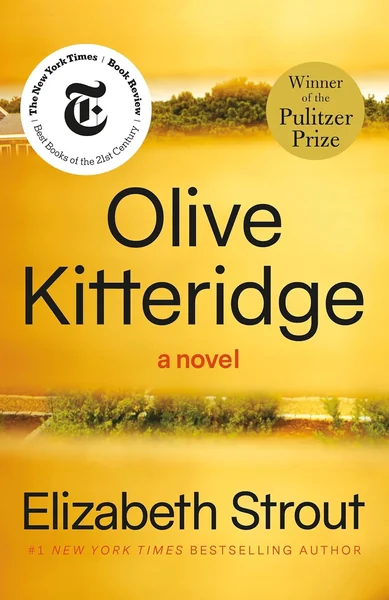
- Readers drawn to The Things We Never Say will find natural companions in Strout's own back catalogue: Olive Kitteridge, her Pulitzer Prize-winning novel of interconnected Maine lives, and Tell Me Everything, her 2024 ensemble that brought her recurring characters together one more time. For literary fiction that similarly excavates male interiority and quiet devastation in compressed, assured prose, Stoner by John Williams and The Remains of the Day by Kazuo Ishiguro are close thematic relatives. Hanya Yanagihara's A Little Life covers adjacent territory of buried trauma and male loneliness, though at vastly greater length and intensity. Earl, Honey by D S Getson and Demon Copperhead by Barbara Kingsolver round out a reading list of literary fiction attentive to working-class interiority and the weight of things left unsaid.
- Who should read this?
- The Things We Never Say is best suited to literary fiction readers who value quiet, accumulative prose over plot-driven momentum — those who embrace Strout's mode of restrained storytelling in which meaning surfaces gradually. It will particularly resonate with readers interested in male loneliness, the psychology of secrets, and the slow, painful work of honest self-knowledge. Existing Strout readers should approach it knowingly: the beloved Maine universe, recurring characters, and cross-novel cameos are entirely absent, and the novel represents a clean creative break.
- About Elizabeth Strout
- Elizabeth Strout is an American novelist and author.
- Where should I start with Strout?
- For readers new to Elizabeth Strout, Olive Kitteridge — her Pulitzer Prize-winning novel of interconnected Maine lives — is the most celebrated entry point and the work that established her reputation for characters drawn with such care that readers come to think of them as personal friends. Those who want to follow the full arc of her interconnected universe should then move through her Maine-based novels before arriving at Tell Me Everything (2024), the ensemble that brings those recurring characters together. The Things We Never Say is a standalone departure and can be read at any point independently.
- Is this a good book club pick?
- The Things We Never Say offers a great deal for book clubs: its themes of male loneliness, the corrosive cost of unspoken truths, and the slow work of self-knowledge are rich with discussion potential. The novel's puzzle-piece structure — in which early details take on new significance only after the whole is revealed — invites the kind of retrospective, close reading that generates lively group conversation. Its compact length of roughly 203 pages also makes it a practical choice for groups with limited reading time.
Summarize this book
Follow up
Synthesized from verified book data & published reviews · How we review
Press Enter to ask. Answers come from our editorial Q&A — start typing to see related questions.
Age & Reading Level
Recommended age
Adult
Reading level
Adult
2 content notes · who it suits
Content to know about
Skip if you're looking for plot-driven fiction or the pleasures of Strout's interconnected Maine universe with recurring characters.
Our Review
What the Novel Is and Does
Craft and Structural Approach
Significance and Place in Strout's Body of Work
Genuine Strengths
Who It's For and Where It Challenges
Sources & Further Reading
The key facts and claims in this review are grounded in the retrieved, verified sources listed below.
- Cited in this review
- 1
en.wikipedia.org
- 2
- 3
- Further reading
- 4
Elizabeth Strout, Wikipedia
- 5
- 6
- 7
- 8
lachief.substack.com
- 9
- 10
- 11
annieblooms.com
- 12
Books like The Things We Never Say
Curated picks for readers who enjoyed The Things We Never Say, with our reasoning for each match.
More by Elizabeth Strout
If you liked The Things We Never Say