8 min read
4.6
· 2,989 Amazon ratingsShare This Review

Our review
The 5 Types of Wealth
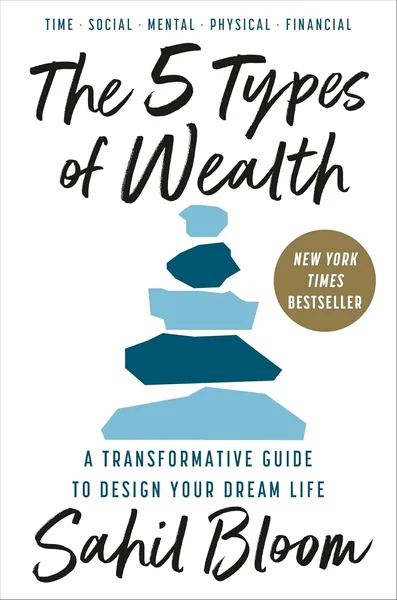
The 5 Types of Wealth by Sahil Bloom Review: A Practical Blueprint for Whole-Life Fulfillment
An instant New York Times and USA Today bestseller, Sahil Bloom's The 5 Types of Wealth is a self-help guide structured around five interconnected pillars — Time Wealth, Social Wealth, Mental Wealth, Physical Wealth, and Financial Wealth — designed to help readers reject a money-only definition of success and build a deliberately designed life. This review is based on published source material and attributed reception; it does not reflect hands-on application of the book's frameworks.
LuvemBooks Verdict
Best for
Readers in their twenties or thirties who have been chasing conventional financial success and are starting to question whether it's actually delivering the life they want — particularly those who respond to narrative-driven, systems-style self-help over academic theory.
Worth it if
Worth engaging with if you want a single, memorable organizing framework — five named pillars — that reorients how you think about time, relationships, health, and money as an integrated whole rather than competing priorities.
Skip if
Skip it if you're already well-read in positive psychology or life-design literature and are looking for specialist depth in any one pillar — this is a unified starting framework, not an advanced resource in personal finance, clinical mental health, or any other single domain.
What readers & critics say
Vocal Media reviewer Melissa T. Praised the book as "a paradigm shift in how we define and pursue wealth," calling the multidimensional concept of wealth "truly life-changing." StoryGraph readers found the core premise compelling — particularly the reordering of financial wealth beneath time, physical, mental, and social wealth — though some noted the ideas can come from a place of privilege that may not resonate equally with all readers.
Sources: Vocal Media, The StoryGraphAsk LuvemBooks
Was this helpful?
- Is it worth reading?
- For readers who want a unified, actionable system for rethinking what a well-lived life looks like, The 5 Types of Wealth delivers a compelling and clearly organized case. Its instant debut on the New York Times and USA Today bestseller lists, alongside endorsements from Tim Cook, Mel Robbins, and Gary Vaynerchuk, reflects genuinely broad cross-audience appeal. The main caveat: those already well-versed in positive psychology or life-design literature — works addressing time management, relationship capital, and financial independence — will recognize familiar territory repackaged through Bloom's particular lens. It is best approached as a motivating entry point and organizing framework rather than a rigorous scholarly treatment.
- Similar books
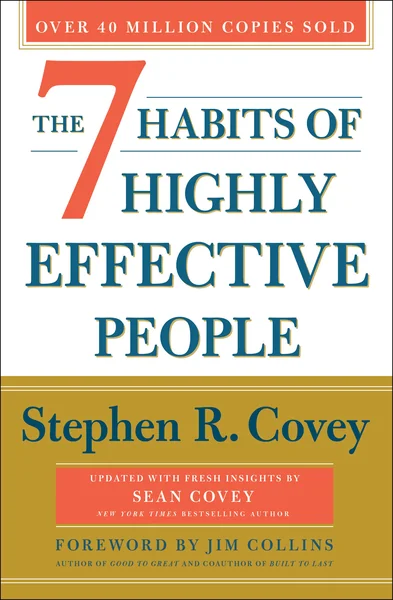
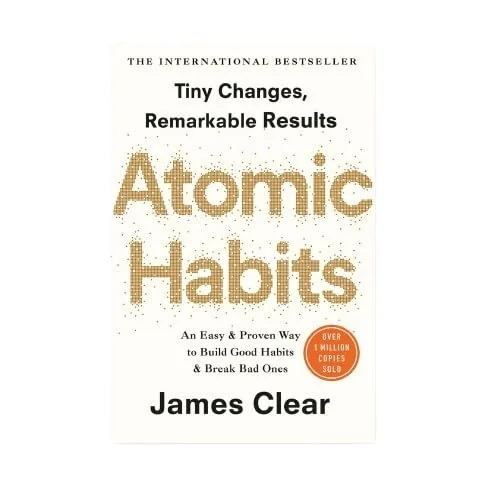
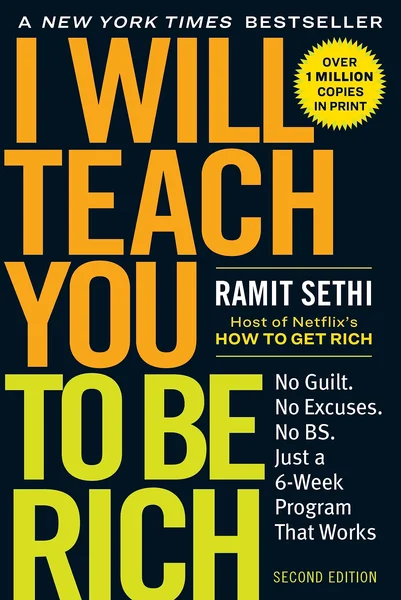
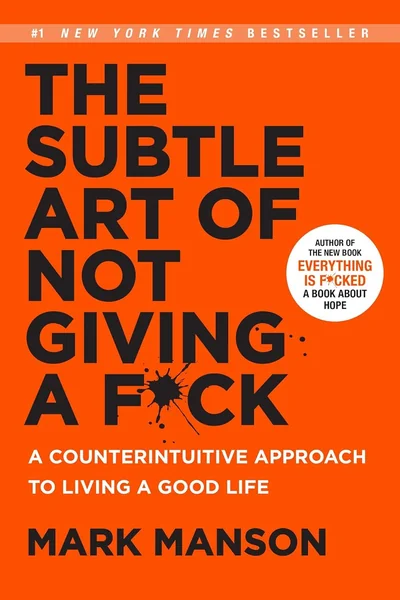
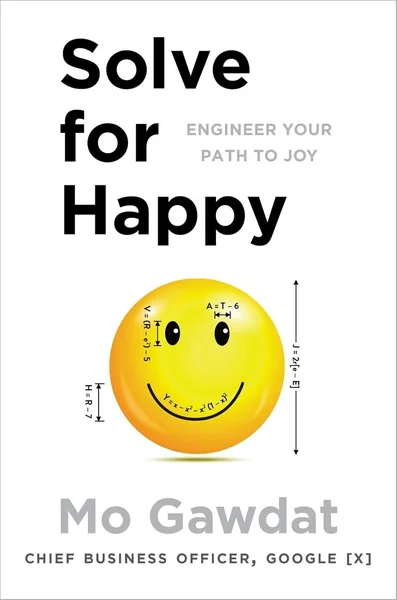
- Readers drawn to The 5 Types of Wealth will find strong companions in the self-help canon. The 7 Habits of Highly Effective People by Stephen R. Covey offers a similarly structured, principle-based taxonomy for intentional living. Atomic Habits by James Clear shares Bloom's emphasis on actionable systems over abstract theory. For the happiness and meaning angle, Solve for Happy by Mo Gawdat and Daring Greatly by Brené Brown each tackle fulfillment from distinct but complementary directions. The Subtle Art of Not Giving a F*ck by Mark Manson covers the same rejection of conventional success metrics with a sharper, more contrarian edge. And for readers who want the financial pillar explored in greater depth, I Will Teach You to Be Rich by Ramit Sethi is a natural next step.
- Who should read this?
- The 5 Types of Wealth is designed for readers who feel the pull of conventional financial success but sense something is missing from that picture — particularly those in their twenties, thirties, or beyond who are ready to question their priorities and redesign how they allocate time, relationships, and energy. Bloom's newsletter following, combined with endorsements from figures spanning business (Tim Cook), wellness (Mel Robbins), and entrepreneurship (Gary Vaynerchuk), signals a broad cross-audience reach across business, wellness, and personal development readers. It is best suited to those who want a unified, actionable organizing framework; readers already deeply versed in positive psychology literature or those seeking specialist depth in finance or mental health will find it a strong starting point rather than an advanced resource.
- What are the main themes?
- The central theme is a deliberate rejection of the money-only definition of success: Bloom argues that financial wealth is a tool, not a destination, and that a fulfilling life requires intentional cultivation across all five pillars — Time, Social, Mental, Physical, and Financial Wealth. A second major theme is the cost of conventional ambition, grounded in Bloom's own account of achieving financial success in his twenties at the expense of his time, relationships, and well-being. The book also emphasizes the value of deliberate redesign over passive drift — moving readers from diagnosing where their lives actually stand to actively reshaping their priorities.
- How credible is the framework?
- The five-pillar model is Bloom's own synthesis, built from what the book describes as years of research, personal experimentation, and thousands of interviews conducted across the globe — rather than from peer-reviewed citation or academic scholarship. The book's strength lies in the clarity of its argument and its motivational momentum, and readers approaching it as a rigorous empirical treatment of well-being research may find it more prescriptive than evidential. That said, its debut as an instant New York Times and USA Today bestseller, and endorsements from Tim Cook, Mel Robbins, Gary Vaynerchuk, and Chris Williamson, reflect real-world resonance across diverse audiences.
- Who has endorsed this book?
- The book carries high-profile endorsements that reflect its broad cross-audience appeal. Apple CEO Tim Cook called it "a powerful call to action to think deeply about what lights you up — and a guide for how to build a life of meaning and purpose." Mel Robbins described it as "a compelling call to action that will stay with you long after you've turned the last page." Gary Vaynerchuk praised Bloom for having "created a clear, actionable guide to design and build your life around key pillars that bring durable, lasting fulfillment." Chris Williamson, host of the Modern Wisdom podcast, called it "a wake-up call to deeply question your priorities and recalibrate around the things that truly matter."
Summarize this book
Follow up
Synthesized from verified book data & published reviews · How we review
Press Enter to ask. Answers come from our editorial Q&A — start typing to see related questions.
Our Review
What the Book Is and What It Argues
The Framework in Practice
Reception and Endorsements
Genuine Strengths
Limitations and Who Should Calibrate Expectations
Sources & Further Reading
The key facts and claims in this review are grounded in the retrieved, verified sources listed below.
- Cited in this review
- 1
- 2
- Further reading
- 3
the5typesofwealth.com
- 4
- 5
- 6
- 7
Age & Reading Level
Recommended age
Adult
Reading level
Adult
who it suits
Skip if you're looking for a rigorous, evidence-based or academic treatment of well-being and expect peer-reviewed research over personal narrative and synthesised frameworks.
Reader reviews
Be one of the first readers to answer.
Read it? Was it right for you?
Books like The 5 Types of Wealth
Curated picks for readers who enjoyed The 5 Types of Wealth, with our reasoning for each match.
If you liked The 5 Types of Wealth