Our reviews
1,017 books, each with who it's for, who should skip it, reading level and content notes, and every source we used.
399 reviews match
Tejas Hiremani
Best for: Spiritually curious general readers drawn to classical Indian philosophy — Vedanta, the Bhagavad Gita, the Upanishads — who want a single accessible framework for thinking about consciousness, technology, mortality, and civilizational direction.
James Gleick
Best for: Curious general readers with no specialist mathematics background who want to understand how chaos theory emerged and why it matters — told through the human stories of the scientists who built it.
National Geographic
Best for: Students and curious general readers who want a single, visually navigable reference spanning all major scientific disciplines — from the universe and earth sciences to mathematics — without needing specialist or post-introductory depth in any one field.
Isabel Gillies
Best for: Readers drawn to the slow-living or intentional-living space who want a warmly argued, memoir-inflected case for treating everyday comfort as a conscious act of self-respect — especially those who found the hygge conversation compelling but want something rooted in a more individual, less culturally specific voice.
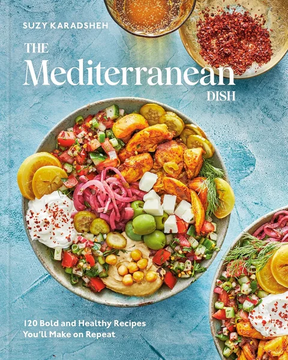
Suzy Karadsheh
Best for: Home cooks — particularly those in American kitchens with little prior experience of Levantine or North African pantry staples — who want a practical, weeknight-friendly introduction to the full breadth of Mediterranean cooking, grounded in genuine cultural biography rather than generic diet advice.
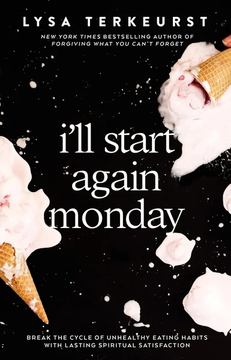
Lysa TerKeurst
Best for: Christian women who feel emotionally exhausted by the perpetual restart cycle of conventional dieting and are looking for spiritually grounded motivation to make lasting lifestyle changes alongside a practical health plan they already follow.
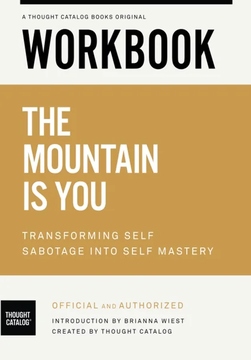
Thought Catalog
Best for: Readers who have already engaged with Brianna Wiest's The Mountain Is You and want a structured, officially authorized tool to translate its framework on self-sabotage and conflicting psychological needs into personal, written reflection.
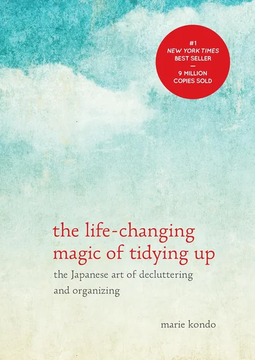
Marie Kondō
Best for: Readers fatigued by cyclical clutter who are ready to commit to a single, comprehensive overhaul of their relationship with possessions — particularly those drawn to minimalism, intentional living, or Japanese domestic philosophy.
Patrick Taylor
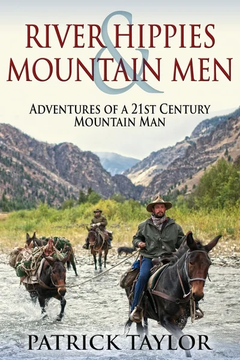
Best for: Readers who love American wilderness non-fiction and Western backcountry culture — especially fans of the earlier Texas Yeti books looking for Taylor's account of his two-year working apprenticeship among the river guides and mountain men of Idaho's Frank Church Wilderness.
DK
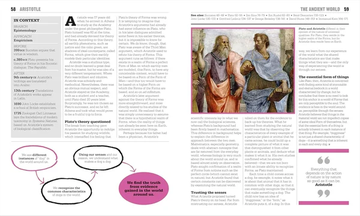
Best for: Curious general readers — students encountering philosophy for the first time, self-directed adult learners, and librarians building reference collections — who want a single, navigable volume covering the full arc of Western and Eastern philosophical thought with strong visual support and biographical context.
Myquillyn Smith
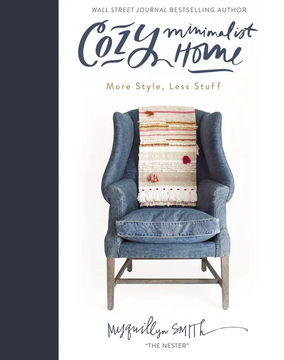
Best for: The hands-on homeowner — particularly women who feel overwhelmed by their spaces or stuck in a cycle of buying without achieving the atmosphere they want — who is looking for a room-by-room, budget-conscious process with a philosophical anchor rather than a purely visual reference.
Anthony Wright
Best for: Readers who are new to essentialism and selective living, or anyone who wants a fast, low-friction refresher on the core principles and can absorb the whole thing in a single afternoon on Kindle or via audiobook.
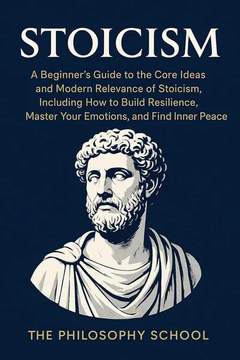
The Philosophy School
Best for: Readers who are entirely new to Stoicism and want a fast, logically sequenced orientation to its core principles — the Dichotomy of Control, the four cardinal virtues, and the key figures of Epictetus, Seneca, and Marcus Aurelius — before deciding whether to go deeper.
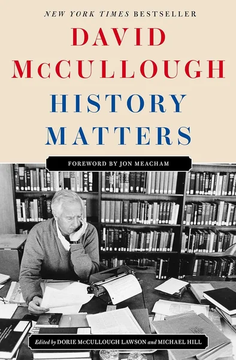
David McCullough
Best for: Devoted McCullough readers — and anyone who wants an intimate, behind-the-curtain look at how he thought about craft, curiosity, and the civic necessity of narrative history — who are already familiar with at least one of his major biographies.
Rachel Carson
Best for: Parents, grandparents, caregivers, and educators who want a philosophically rich, literary case for why sharing the natural world with children matters — and who need inspiration rather than a step-by-step activity plan.
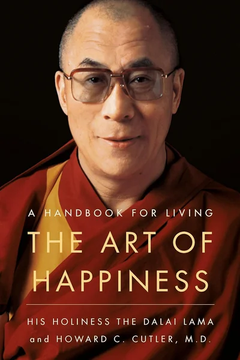
Dalai Lama
Best for: Secular or spiritually curious readers who want a practical, accessible introduction to happiness as a trainable discipline — and who welcome Buddhist contemplative wisdom filtered through a Western clinical lens rather than a primary philosophical or religious text.
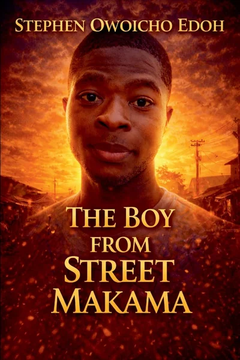
Mel Robbins
Best for: Readers who feel chronically drained by people-pleasing, overthinking, or seeking external validation, and want a clear, memorable, two-part mental framework they can apply immediately across relationships, family dynamics, and personal goals.
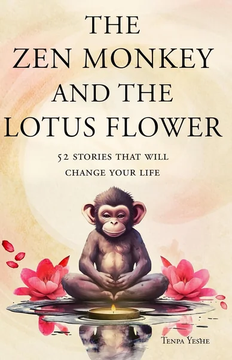
Tenpa Yeshe
Best for: Readers navigating modern stress, negative self-talk, or a general sense of disconnection who want an accessible, Buddhist-influenced entry point they can work through one short story per week, with no prior knowledge of the tradition required.
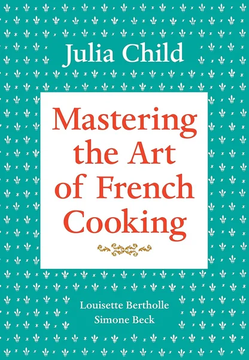
Julia Child, Louisette Bertholle, Simone Beck
Best for: Cooks who want to understand French technique from first principles — and anyone interested in the history of American food culture who wants both a practical reference and a primary document of a culinary turning point.
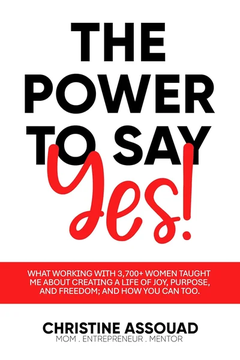
Christine Assouad
Best for: Women navigating the intersection of personal purpose and professional ambition — particularly those in or connected to the Middle East — who want a mentor-driven, story-rich companion rather than a clinical self-help system.
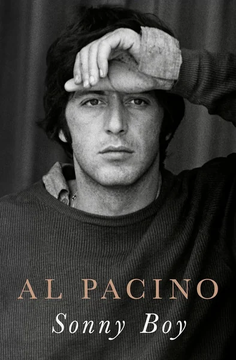
Al Pacino
Best for: Readers drawn to the intersection of poverty, art, and self-invention who want to understand what shaped Pacino before Hollywood did — particularly those curious about New York's postwar theatre underground and the human engine behind iconic screen performances.
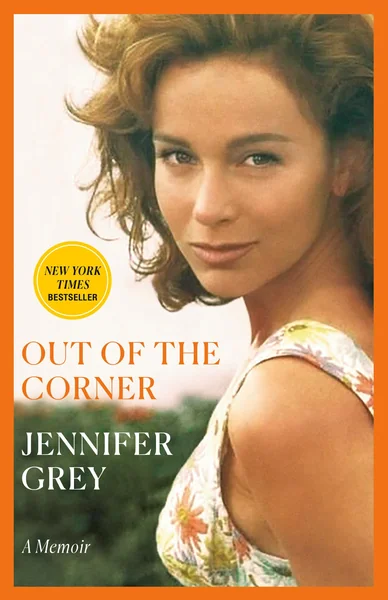
Jennifer Grey
Best for: Readers drawn to Hollywood memoir and the Dirty Dancing era who want an unflinching, self-excavating account of identity, beauty standards, and the long personal consequences of a single irreversible decision — rather than a nostalgic victory lap.
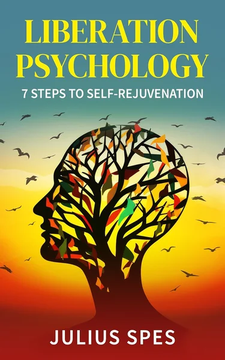
Julius Spes
Best for: Readers feeling overwhelmed by the cumulative demands of work, home, and daily life who want a short, structured, step-by-step framework for reclaiming mental and emotional equilibrium — especially those new to self-help or returning to it after burnout.
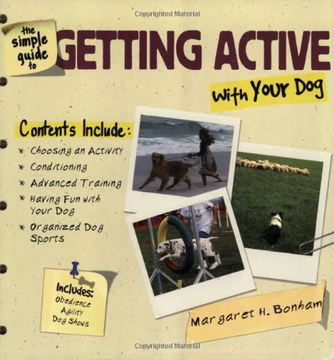
Margaret H. Bonham
Best for: Dog owners who want to do more with their dog than daily walks but aren't sure which activity — agility, flyball, freestyle, or others — suits their lifestyle and their dog's temperament, and who want a single accessible starting point written by a genuinely experienced canine competitor.
