7 min read
Share This Review
The Simple Guide to Getting Active With Your Dog by Margaret H. Bonham Review: A Practical Companion for Active Dog Owners
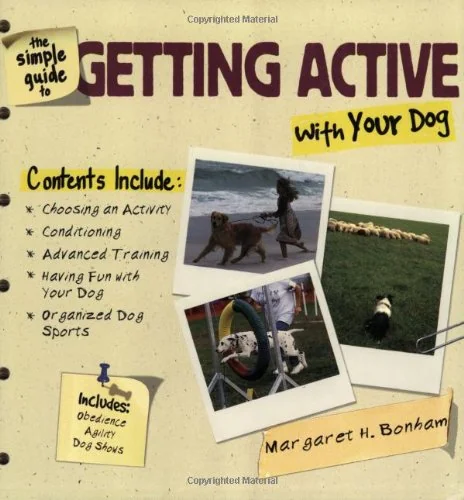
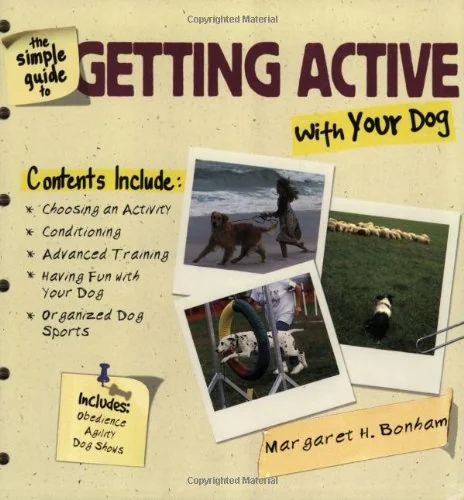
Published by TFH Publications in 2003, The Simple Guide to Getting Active With Your Dog is a practical how-to guide by Margaret H. "Maggie" Bonham — a Dog Writers Association Best Breed Book Award winner and experienced sled dog racer — designed to help dog owners improve the health and well-being of both themselves and their dogs while deepening the human-canine bond. Drawing on her hands-on background in training, working, and playing with dogs, Bonham delivers a concise, comprehensive survey of canine activities ranging from flyball and agility to freestyle, framing participation as accessible and rewarding for owners and dogs at all levels.
LuvemBooks Verdict
Best for
Dog owners who want to do more with their dog than daily walks but aren't sure which activity — agility, flyball, freestyle, or others — suits their lifestyle and their dog's temperament, and who want a single accessible starting point written by a genuinely experienced canine competitor.
Worth it if
You're new to organised canine activity and want a broad, participatory-spirited overview from a credentialed author — a Dog Writers Association Best Breed Book Award winner and practising sled dog racer — to help you identify the right direction before committing to a single sport.
Skip if
You're already competing in a specific discipline and need current regulations, up-to-date governing-body contacts, or deep sport-specific instruction, as the 2003 publication date means significant regulatory and organisational details across disciplines are likely out of date.
What readers & critics say
World of Books confirms Bonham's credentials as a sled dog racer in Colorado and a Dog Writers Association Best Breed Book Award winner, with this title listed among her recognised works. The Amazon UK product page describes the guide as a "concise, comprehensive" resource in which Bonham draws directly on her own experiences training, working, and playing with dogs.
Sources: World of Books, Amazon UKAsk LuvemBooks
Was this helpful?
- Is it worth reading?
- For the motivated but direction-seeking dog owner — someone who wants to do more with their dog than daily walks but isn't sure which activity suits them — LuvemBooks considers the guide a worthwhile starting point. Bonham's activity-matching framework and her credentialed, participatory background as a sled dog racer and award-winning dog writer give the book genuine practical authority. The meaningful caveat is its age: published in 2003, any competition regulations, governing-body contacts, or equipment standards in the guide will need to be verified through current sources before acting on them.
- Who should read this?
- The guide's clearest audience is what LuvemBooks calls the "motivated but somewhat-at-a-loss" dog owner: someone who wants to go beyond daily walks but is uncertain which organized activity suits their dog and lifestyle. The activity-matching framework at the book's core makes it especially useful as an entry point for owners new to canine sports. Those already competing seriously in a single discipline — agility, freestyle, or flyball — may find the broad coverage too introductory and would benefit more from a sport-specific supplementary volume.
- About Margaret H. Bonham
- According to LuvemBooks' verified author records, Margaret Bonham (1913–1991) was a British short-story writer born in London. No further verified biographical details are available in LuvemBooks' records at this time.
- Similar books
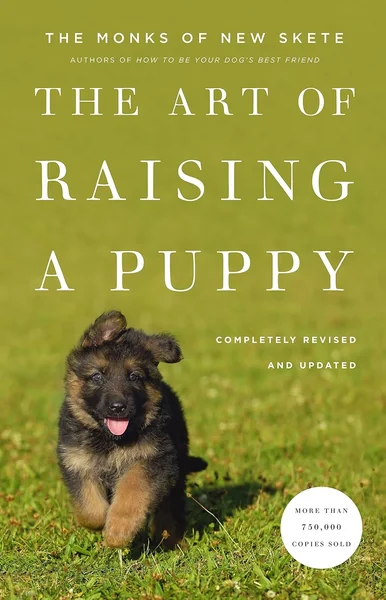
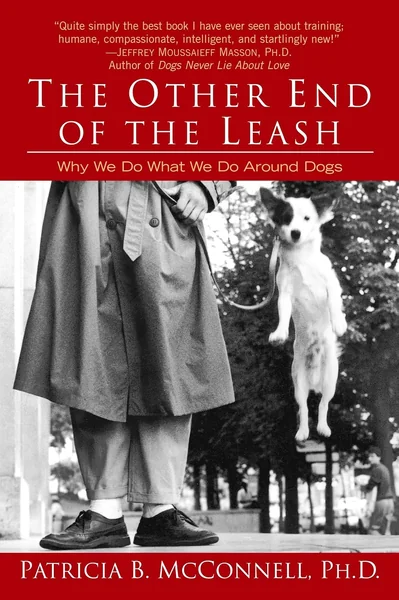
- Readers who enjoyed the activity-and-relationship focus of this guide may find several complementary titles on the LuvemBooks catalogue. The Other End of the Leash by Patricia B. McConnell takes a deep, science-grounded look at the human-canine relationship that pairs well with Bonham's bond-focused framing. Zak George's Dog Training Revolution by Zak George and Dina Roth Port offers a contemporary, positive-reinforcement foundation for owners ready to act on the activities Bonham surveys. The Art of Raising a Puppy by the Monks of New Skete provides a foundational perspective on building the kind of relationship that makes canine sports accessible. For readers specifically keen on competitive dog sports training, Dog Sports Skills: Building Drives and Motivation by Deborah Jones and Judy Keller — while not currently in the LuvemBooks catalogue — is a frequently recommended companion volume.
- Why trust this author on dog sports?
- Bonham's authority is grounded in direct competitive participation, not desk research. She is a sled dog racer based in Colorado and a recipient of the Dog Writers Association's Best Breed Book Award — credentials confirmed across multiple bookseller records, as LuvemBooks' review notes. Her byline spans national pet publications including Dog Fancy, Dog World, Dog and Kennel, Pet Life, PetView, Natural Pet, and Mushing Magazine, and she has served as a columnist and contributing editor at Dog and Kennel and PetView. The Amazon UK product description for the guide states explicitly that Bonham draws on her experiences training, working, and playing with dogs, meaning the book reflects first-person participation across multiple disciplines.
- How outdated is the information?
- Published in January 2003, the guide is now more than two decades old, and the canine sports landscape has continued to evolve since — new organizations, updated rulebooks, and expanded competition formats have emerged across disciplines including agility and freestyle. LuvemBooks' review identifies this as a meaningful practical limitation for anyone using the book as a direct competition preparation tool. However, the foundational guidance on activity selection and training principles is described as less time-sensitive than regulatory specifics, meaning the core framework for matching an owner and dog to the right activity retains practical value even as the rule-specific details age.
- Does it focus on the owner-dog bond?
- Yes — the human-canine bond is explicitly framed as a central purpose of the guide, not a side benefit. The Amazon UK product description, cited in LuvemBooks' review, states the guide is designed to help owners improve the health and well-being of both themselves and their dog while enhancing their relationship and having fun at the same time. This dual focus on shared fitness and a strengthened bond gives the book a slightly broader purpose than a sport-specific manual, positioning physical activity as a vehicle for a closer relationship rather than purely an athletic goal.
Summarize this book
Follow up
Synthesized from verified book data & published reviews · How we review
Press Enter to ask. Answers come from our editorial Q&A — start typing to see related questions.
Age & Reading Level
Recommended age
Adult
Reading level
Adult
who it suits
Skip if you are looking for deep, sport-specific instruction on a single canine discipline such as agility or flyball.
Our Review
What the Book Is and What It Covers
The Author's Credentials and Their Influence on the Content
Scope and Accessibility
Limitations Worth Noting
Who This Book Is For
Sources & Further Reading
The key facts and claims in this review are grounded in the retrieved, verified sources listed below.
- 1
Margaret H. Bonham, Wikipedia
- 2
- 3
abookstop.com
- 4
penguinrandomhouse.com
- 5
Books like The Simple Guide to Getting Active With Your Dog
Curated picks for readers who enjoyed The Simple Guide to Getting Active With Your Dog, with our reasoning for each match.
If you liked The Simple Guide to Getting Active With Your Dog