
9 min read
4.4
· 3,562 Amazon ratingsShare This Review
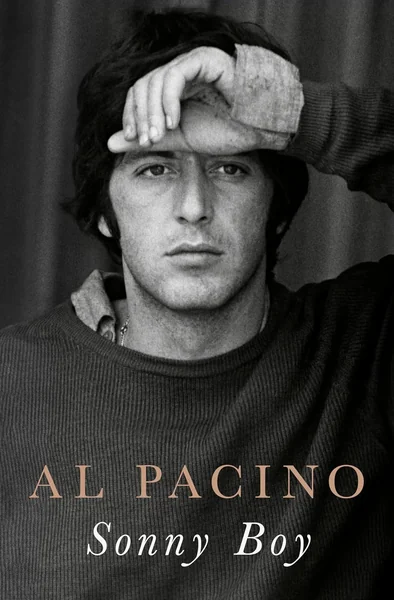
Sonny Boy: A Memoir by Al Pacino Review: Revelatory in Parts, Uneven in Whole
Al Pacino's Sonny Boy, published by Penguin Press on October 15, 2024, is an instant New York Times bestseller that traces the icon's journey from a hardscrabble postwar South Bronx childhood to the heights of Hollywood — most compellingly in its early chapters, and most unevenly when it shifts into a career survey that People Magazine called "as funny as it is reflective."

 Tap to enlarge
LuvemBooks Verdict
Best for
Readers drawn to the intersection of poverty, art, and self-invention who want to understand what shaped Pacino before Hollywood did — particularly those curious about New York's postwar theatre underground and the human engine behind iconic screen performances.
Worth it if
The early South Bronx chapters alone — Pacino as a delinquent schoolboy reciting Shakespeare in alleyways, working to fund his mother's electroshock treatments — justify the read for anyone who values memoir as literary portrait over celebrity tell-all.
Skip if
Skip it if you're expecting intimate personal revelations or behind-the-scenes gossip, since Pacino largely deflects both, and the book's structure can drift into the kind of chronological career overview that flattens rather than illuminates.
What readers & critics say
The Guardian praised the memoir as "a fine memoir," singling out its account of Pacino's postwar South Bronx childhood as "startlingly cinematic" and its most compelling stretch, while the New York Times found it uneven — "sometimes a heartfelt consideration of art, and often a perfunctory cradle-to-age-84 overview of his life and career." Kirkus Reviews named it among its Best Books of 2024, with fans of Pacino and students of the actor's craft cited as its ideal audience.
“Fans of Pacino — and students of the actor's craft — will delight in this gracefully told memoir.”
— Kirkus Reviews“Sometimes a heartfelt consideration of art, and often a perfunctory cradle-to-age-84 overview of his life and career.”
— New York TimesAge & Reading Level
Recommended age
Adult
Reading level
Adult
3 content notes · who it suits
Content to know about
Best for: Adults — themes of parental mental illness, electroshock treatment, and a parent's accidental overdose suit mature readers.
Skip if you're looking for a confessional celebrity memoir with candid personal-life revelations and behind-the-scenes gossip.
In This Review
- What Works & What Doesn't
- What the Memoir Actually Covers
- The Bronx Chapters: Where the Memoir Earns Its Title
- Behind the Iconic Roles
- Reception and Standing
- Where the Book Has Limits
What Works & What Doesn't
What Works
- The early South Bronx chapters are widely praised as the memoir's most vivid and compelling material, grounding Pacino's story in a specific, richly detailed postwar world
- Named an instant New York Times bestseller and one of People Magazine's Top 10 Books of the Year, reflecting strong critical and commercial reception
- Candid behind-the-scenes accounts of landmark films — including the Godfather Sicily set crisis with Coppola — give the career chapters genuine texture
- People Magazine called it 'the rare celebrity memoir that's also a literary read,' crediting its balance of humor and reflection
- Covers a genuinely broad creative range, including Pacino's theater roots, documentary directing, and Shakespeare alongside his iconic screen roles
What Doesn't
- Critical coverage found portions of the book to be a 'perfunctory cradle-to-age-84 overview,' with the memoir's structure sometimes working against its more heartfelt passages
- Pacino offers limited detail about his personal life, which critics noted leaves certain sections feeling shaped toward a conventional biographical form rather than genuine revelation
What the Memoir Actually Covers
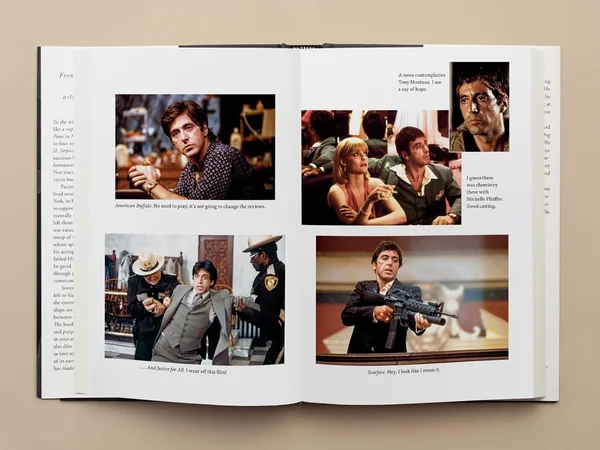
The Bronx Chapters: Where the Memoir Earns Its Title

Behind the Iconic Roles
Reception and Standing
Where the Book Has Limits
Frequently Asked Questions
Sources & Further Reading
The key facts and claims in this review are grounded in the retrieved, verified sources listed below.
- Cited in this review
- 1
- 2
bookmarks.reviews
- 3
barnesandnoble.com
- Further reading
- 4
- 5
nytimes.com
- 6
- 7
penguinrandomhouse.com
Related Reviews
Reviews of books we picked for readers who enjoyed Sonny Boy.


Reader Comments
No comments yet
Be the first to share your thoughts!