Our reviews
1,017 books, each with who it's for, who should skip it, reading level and content notes, and every source we used.
154 reviews match
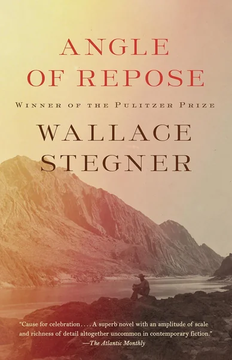
Wallace Stegner
Best for: Readers drawn to dual-timeline American literary fiction who want a sweeping, morally serious novel about Western expansion, marriage, and the way individuals construct meaning from history — and who are prepared to engage critically with the ethical controversy surrounding its source material.
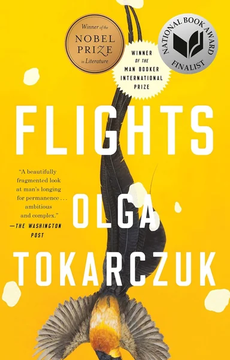
Olga Tokarczuk
Best for: Readers already at home with essayistic, fragmentary fiction — fans of W. G. Sebald, Milan Kundera, or Rachel Cusk's Outline trilogy — who want an intellectually wide-ranging, formally inventive work on travel, the body, and impermanence.
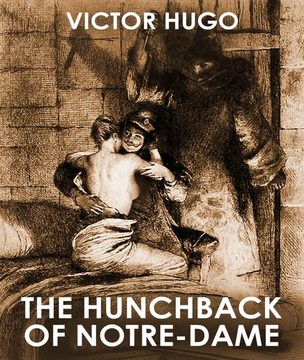
Victor Hugo
Best for: Readers who know Hugo primarily through film or stage adaptations and want to encounter the full, unabridged novel he actually wrote — complete with its architectural arguments, moral complexity, and tragic arc.
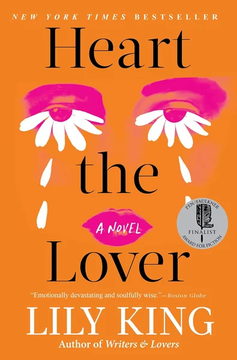
Lily King
Best for: Readers who loved Writers & Lovers and want to revisit Casey Peabody's world, or anyone drawn to emotionally ambitious literary fiction that moves from college comedy to devastating midlife grief across a single, compressed narrative.
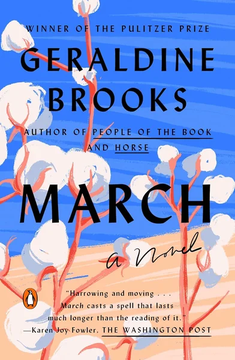
Geraldine Brooks
Best for: Readers of serious literary historical fiction who are curious about the moral and psychological interior of an idealistic man tested by the Civil War — especially those who have ever wondered what lay behind the cheerful letters home in Little Women.
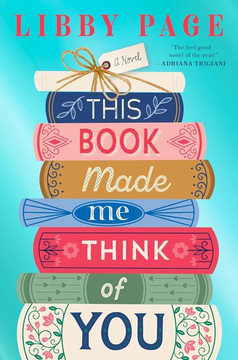
Libby Page
Best for: Readers who love books about books — particularly those who experience independent bookshops as sanctuaries and fiction as a companion — and who want a grief novel that also functions as a slow-burn romance and an unabashed celebration of reading culture.
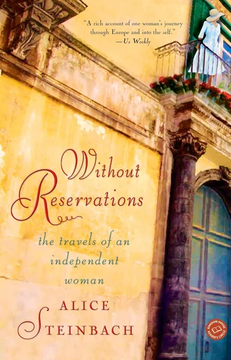
Alice Steinbach
Best for: Readers drawn to reflective, character-driven travel memoirs about reinvention and independence — particularly those interested in stories of a woman traveling alone through Europe and finding herself in the process.
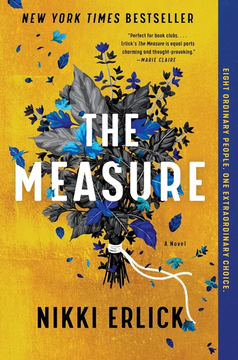
Nikki Erlick
Best for: Readers drawn to idea-driven speculative fiction and ensemble-character storytelling who are more interested in exploring the philosophical and societal ripples of a high-concept premise than in solving a mystery or following a tightly unified plot — and who want a strong book-club pick that generates lasting conversation about fate, mortality, and love.
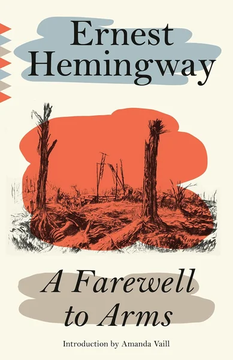
Ernest Hemingway
Best for: Students, first-time readers of Hemingway, and general readers building a shelf of canonical American fiction who will benefit from Amanda Vaill's contextual introduction in this 2025 Vintage Classics edition.
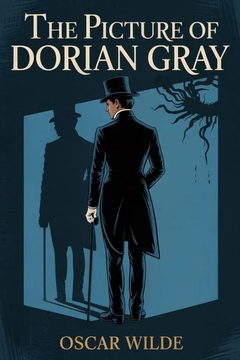
Oscar Wilde
Best for: Readers drawn to ideas as much as plot — particularly those interested in Gothic fiction, Victorian literature, or philosophical horror — who want a richly layered novel that works simultaneously as moral fable, aesthetic manifesto, and supernatural tale.
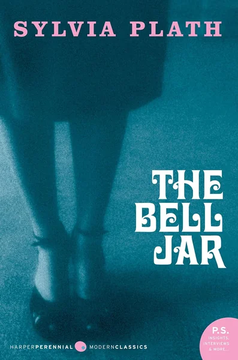
Sylvia Plath
Best for: Readers drawn to confessional literature, mid-century American fiction, or first-person psychological narratives who want a novel that functions simultaneously as a feminist critique of 1950s societal expectations and a raw, roman à clef account of a young woman's breakdown and recovery.
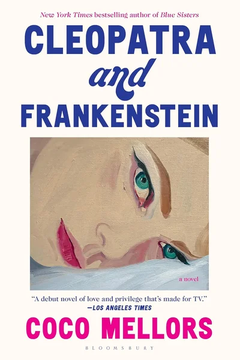
Coco Mellors
Best for: Readers drawn to emotionally charged relationship fiction set against a vividly rendered urban backdrop — especially those who loved Sally Rooney's Conversations with Friends and want a novel that treats addiction, grief, and marital unravelling with candor rather than sentimentality.
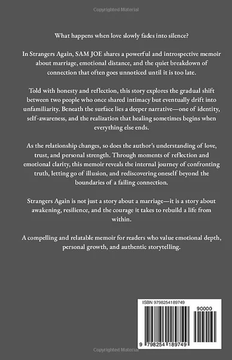
Sam Joe
Best for: Readers navigating or reflecting on marital betrayal and the interior work of rebuilding a sense of self, particularly those who gravitate toward independent voices and compact, unmediated first-person memoir forms.
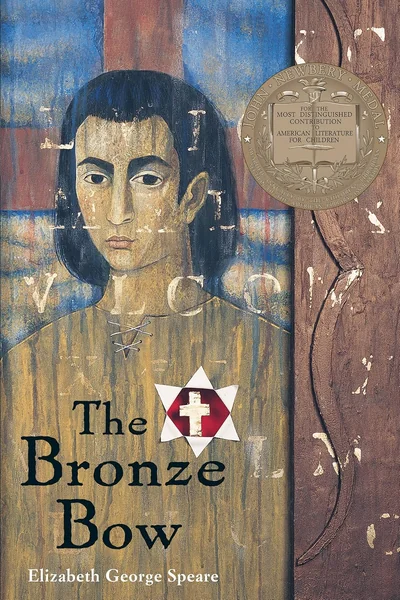
Elizabeth George Speare
Best for: Middle-grade readers aged ten and up — particularly those in grades five through seven — who are drawn to character-driven historical fiction exploring the psychological cost of hatred, revenge, and moral transformation against the backdrop of Roman-occupied first-century Galilee.
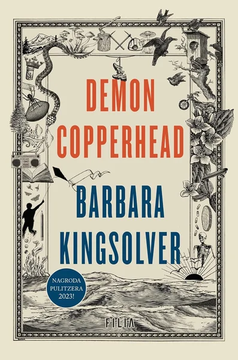
Barbara Kingsolver
Best for: Readers drawn to ambitious literary fiction with serious social purpose — particularly those interested in the opioid crisis, Appalachian poverty, and foster-care failures — who want a full-scale Bildungsroman driven by a richly rendered protagonist.
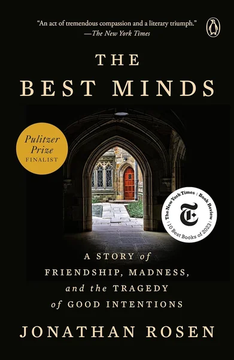
Jonathan Rosen
Best for: Readers drawn to literary memoir that works simultaneously as cultural history — particularly those interested in mental illness, American meritocracy, the limits of friendship, and the policy failures of late twentieth-century deinstitutionalization.
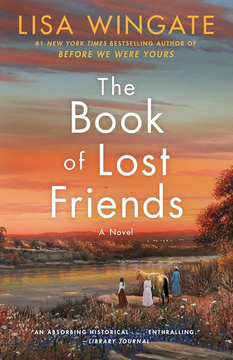
Lisa Wingate
Best for: Readers drawn to American history beyond the standard Civil War canon — particularly teachers, book clubs, and fans of Lisa Wingate's Before We Were Yours — who want an emotionally driven, dual-timeline story rooted in the real, underrepresented history of post–Civil War "Lost Friends" newspaper advertisements.
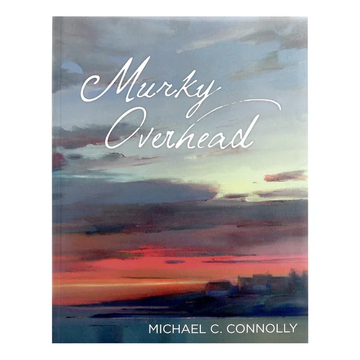
Michael C. Connolly
Best for: Readers drawn to character-driven historical fiction who have ties to Irish-American heritage, Maine's Munjoy Hill community, or working-class immigrant narratives and want a richly researched, intimate portrait of one family's day rather than a sweeping epic.
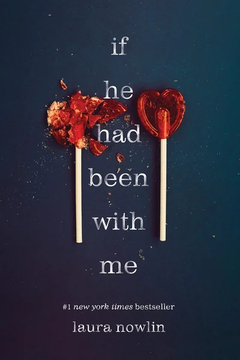
Laura Nowlin
Best for: Teenage and young adult readers who love slow-burn romances rooted in long childhood friendship and are drawn to emotionally internal, coming-of-age stories that take mental health and identity seriously.
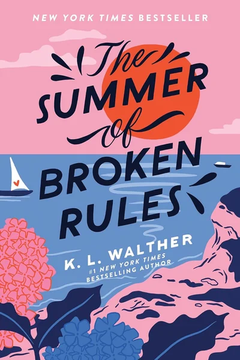
K. L. Walther
Best for: Readers aged 14 and up who want a sun-drenched, competition-driven summer romance with genuine emotional weight — particularly fans of Jenny Han who appreciate a vivid sense of place, a warm family ensemble, and a grief thread woven honestly through the fun.
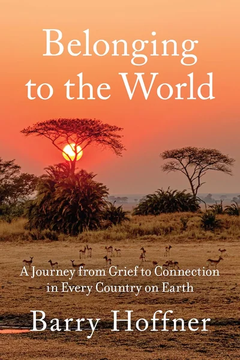
Barry Hoffner
Best for: Readers drawn to emotionally frank grief memoirs and immersive travel writing — particularly those who appreciate the confessional introspection of Cheryl Strayed's Wild or the globe-spanning curiosity of Paul Theroux — and who want a book that interrogates what it means to find belonging in the world rather than in a single place or person.
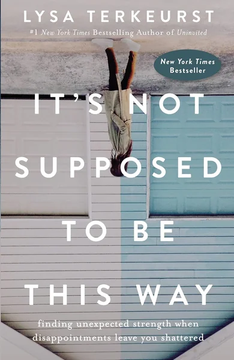
Lysa TerKeurst
Best for: Christian women — particularly those in the middle of acute crisis such as betrayal, illness, or unanswered prayer — who want a blend of raw personal memoir, Scripture-grounded guidance, and small-group-ready structure rather than a detached theological study.
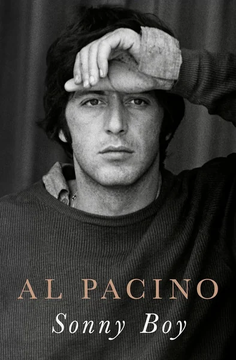
Al Pacino
Best for: Readers drawn to the intersection of poverty, art, and self-invention who want to understand what shaped Pacino before Hollywood did — particularly those curious about New York's postwar theatre underground and the human engine behind iconic screen performances.
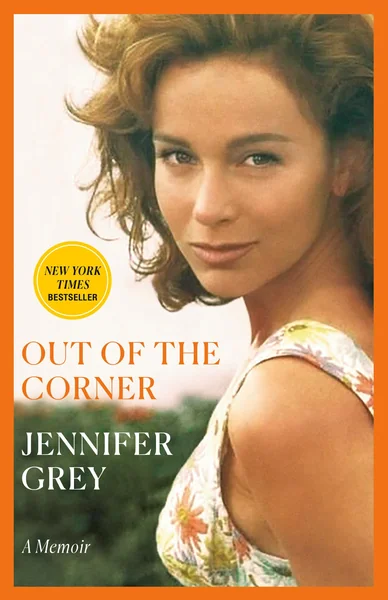
Jennifer Grey
Best for: Readers drawn to Hollywood memoir and the Dirty Dancing era who want an unflinching, self-excavating account of identity, beauty standards, and the long personal consequences of a single irreversible decision — rather than a nostalgic victory lap.
