

8 min read
4.0
· 39 Amazon ratingsShare This Review
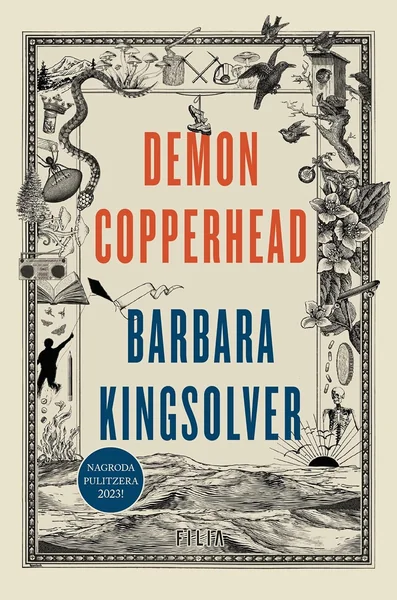
Demon Copperhead by Barbara Kingsolver Review: A Pulitzer-Winning Appalachian Epic
Barbara Kingsolver's Demon Copperhead is a co-recipient of the 2023 Pulitzer Prize for Fiction and winner of the 2023 Women's Prize for Fiction — a sweeping, Dickens-inspired novel that transplants the story of David Copperfield to the opioid-ravaged hills of Appalachian Virginia, following red-haired Damon Fields from a squalid foster system through the devastating grip of addiction.
LuvemBooks Verdict
Best for
Readers drawn to ambitious literary fiction with serious social purpose — particularly those interested in the opioid crisis, Appalachian poverty, and foster-care failures — who want a full-scale Bildungsroman driven by a richly rendered protagonist.
Worth it if
Worth reading if you want a Pulitzer- and Women's Prize-winning novel that maps Dickens's structural genius onto a devastating and urgent contemporary American crisis, without sacrificing narrative momentum or character depth.
Skip if
Skip it if you are sensitive to sustained, unrelenting portrayals of addiction, child abuse, and death, or if you prefer narrative arcs that offer tonal variation and breathing room between losses.
What readers & critics say
Kirkus Reviews awarded the novel a starred review, calling it "an angry, powerful book seething with love and outrage for a community too often stereotyped or ignored," and named it one of the best books of 2022. The Guardian described it as feeling "in many ways like the book she was born to write," praising Kingsolver's structural conceit as a natural fit for her idealism and social-justice concerns; Wikipedia's reception summary records a dissenting voice from Lorraine Berry in The Boston Globe, who criticised the novel as poverty porn, arguing characters are condemned to forever repeat the horrific mistakes of previous generations.
“An angry, powerful book seething with love and outrage for a community too often stereotyped or ignored.”
— Kirkus Reviews“Feels in many ways like the book she was born to write — Kingsolver's idealism and concern with social justice find their natural counterpart in Dickens's impassioned social criticism.”
— The Guardian“There's no glamour here, just an honest, raw look at what it means to struggle — and sometimes to survive.”
— thesobercurator.comAsk LuvemBooks
Was this helpful?
- Is it worth reading?
- By virtually every formal measure, Demon Copperhead is among the most significant American novels of the decade: it was a co-recipient of the 2023 Pulitzer Prize for Fiction and won the 2023 Women's Prize for Fiction, and Kirkus Reviews gave it a starred review, calling it "an angry, powerful book seething with love and outrage for a community too often stereotyped or ignored." The Washington Post's Ron Charles named it his favorite novel of 2022. The one substantive caveat comes from Lorraine Berry in The Boston Globe, who argued the novel amounts to poverty porn, with characters "condemned to forever repeat the horrific mistakes of previous generations" — readers who need tonal variation or are sensitive to sustained portrayals of addiction and child abuse should factor that in.
- Similar books
- Readers who respond to Demon Copperhead's blend of regional American voice and serious social reckoning will find close companions among the curated titles below. Tara Westover's Educated shares the Appalachian/rural poverty lens and a protagonist pulling herself out of a damaging upbringing through sheer force of will. Wallace Stegner's Angle of Repose is another Pulitzer-winning American epic with an ambitious structural conceit and a deep investment in landscape and community. Elizabeth Strout's Tell Me Everything offers a quieter but equally character-driven literary fiction for readers drawn to Kingsolver's investment in interiority. Barbara Kingsolver's own The Poisonwood Bible and Unsheltered, while not currently in our catalogue, are natural next reads for anyone who wants more of her scope and moral seriousness.
- Who should read this?
- Demon Copperhead is designed for readers who want literary fiction that does serious social and political work without sacrificing narrative momentum or character investment. It is especially well-suited to readers drawn to regional American fiction, to novels that engage with the opioid crisis from the inside out, and to ambitious literary retellings of canonical works. Readers who prize a richly rendered coming-of-age protagonist and are willing to follow Demon Fields across many years and many losses — and who can engage with an unflinching account of addiction, foster-care failure, and rural poverty — will find it working at full stretch. Those who prefer lighter narrative arcs or need tonal variation should approach with clear expectations.
- About Barbara Kingsolver
- Barbara Ellen Kingsolver is an American novelist, essayist, and poet.
- What are the main themes?
- The novel's central themes are the opioid epidemic, rural child poverty, and the economic abandonment of Appalachian communities — treated not as backdrop but as the core argument of the book. Kingsolver uses the Dickensian framework to map nineteenth-century critiques of institutional cruelty onto twenty-first-century failures: foster-care abuse at places like Creaky Farms, pharmaceutical predation that turns OxyContin into a community-wide catastrophe, and the social and economic stratification that leaves Demon and his peers with few exits. Woven through these systemic concerns is a more intimate thread — Demon's friendship with Maggot, his longing to one day see the ocean, and his doomed relationship with Dori — that gives the novel its emotional texture alongside its political argument.
- Has it won any awards?
- Demon Copperhead's accolades are extraordinary by any measure. It was a co-recipient of the 2023 Pulitzer Prize for Fiction — the highest literary honor in American letters — and won the 2023 Women's Prize for Fiction, an exceptional double that places it among the most formally recognized American novels in recent memory. Kirkus Reviews awarded it a starred review, and the Washington Post's Ron Charles named it his favorite novel of 2022.
Summarize this book
Follow up
Synthesized from verified book data & published reviews · How we review
Press Enter to ask. Answers come from our editorial Q&A — start typing to see related questions.
Age & Reading Level
Recommended age
Ages 16+
Reading level
Adult
4 content notes · who it suits
Content to know about
Best for: Adults / mature 16+ — sustained and unflinching portrayals of opioid addiction, child abuse, foster-care exploitation, and multiple deaths make this demanding and unsuitable for younger readers.
Skip if you need tonal variation or find sustained, unrelieved portrayals of poverty, addiction, and child suffering difficult to absorb.
Our Review
What the Novel Is and What It Covers
The Literary Architecture: Dickens Transposed
Awards, Reception, and Significance
A Genuine Critical Tension
Who This Novel Is For
Sources & Further Reading
The key facts and claims in this review are grounded in the retrieved, verified sources listed below.
- Cited in this review
- 1
whisperinggums.com
- 2
en.wikipedia.org
- Further reading
- 3
Barbara Kingsolver, Wikipedia
- 4
- 5
- 6
- 7
magpiebyjenshoop.com
- 8
- 9
karissareadsbooks.com
- 10
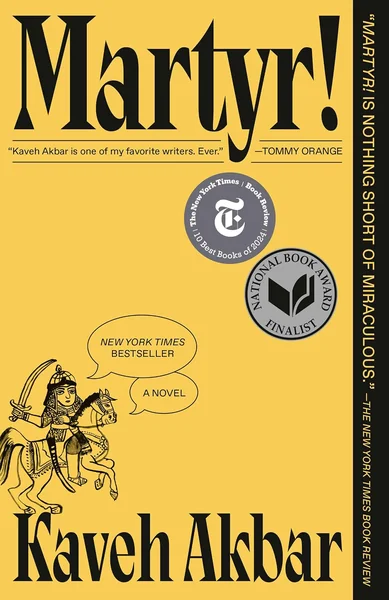
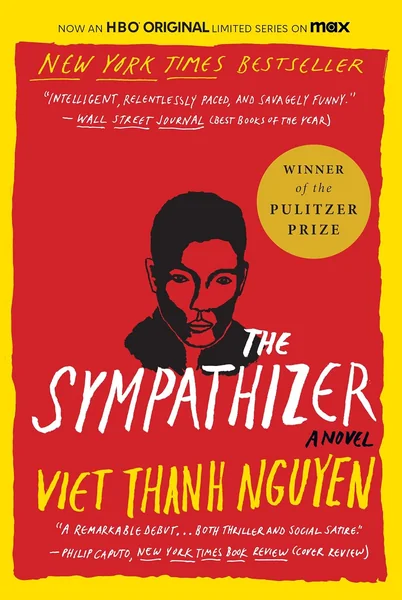
Books like Demon Copperhead
Curated picks for readers who enjoyed Demon Copperhead, with our reasoning for each match.
If you liked Demon Copperhead

Why It’s Trending
Demon Copperhead Movie Buzz Has Readers Picking Up the Book Again
Chatter about a Demon Copperhead movie adaptation has been circulating on TikTok, pulling new readers toward Barbara Kingsolver's Pulitzer-winning novel. If you haven't read it yet, now's a good time to get ahead of the screen version.