BOOKS
Published
Read Time
7 min read
Our Rating
3.8
Reviewed by
LuvemBooks
Share This Review
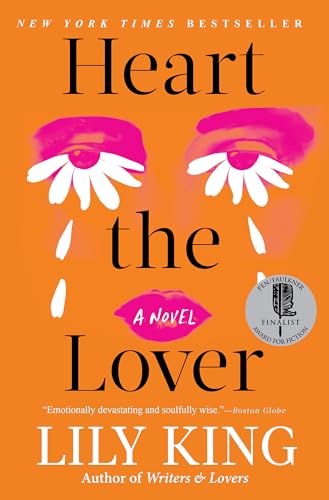
Heart the Lover by Lily King Review (2025)
Our Rating
3.8
Heart the Lover is a precise, psychologically acute literary novel that rewards patient readers with its careful character work and restrained emotional intelligence. Its narrow focus and uneven pacing in the middle section prevent it from reaching the heights of King's very best work, but it confirms her as a consistently thoughtful novelist.
Trending Now
Trending
Heart the Lover by Lily King is Trending
Updated Jun 1, 2026In This Review
- What Works & What Doesn't
- A Triangle Reopened
- King's Prose: Spare, Precise, and Quietly Devastating
- The Weight of Old Desires
- Where the Novel Stumbles
- Lily King's Seventh Novel in Context
- The Bottom Line
- SECTION 4: SCHEMA METADATA
- Where to Buy
What Works & What Doesn't
What Works
- Psychologically precise characterization that treats all three figures with genuine complexity
- King's spare, economical prose style rewards patient, attentive readers
- The standalone structure is handled cleanly — no prior King knowledge required
- Dialogue feels observed and natural, carrying real character weight beneath the surface
- Thematically cohesive — the novel knows exactly what it is examining and stays focused on it
What Doesn't
- The middle section handling elapsed time feels compressed and tonally uneven against the novel's careful present-tense scenes
- Supporting characters receive limited development, making the world feel narrowly drawn around the central triangle
- The deliberately slow pacing and narrow emotional register will not suit all readers
Is Heart the Lover worth your time in 2026? A structurally ambitious step forward from Writers & Lovers — King's emotional precision is intact, and this time she's doing more with it. Lily King's seventh novel arrives with quiet confidence, revisiting the emotional terrain she mapped so memorably in Writers & Lovers. Where that earlier book followed a young woman navigating grief, debt, and desire in Cambridge, Massachusetts, Heart the Lover picks up a different thread — a campus love triangle, left unresolved at graduation, that forces its way back into the lives of those who thought they had moved on. Readers who appreciated the emotional precision of Writers & Lovers will find familiar pleasures here, though King is doing something more structurally ambitious this time around.

It is worth noting upfront: this novel can be read as a complete standalone. Familiarity with Writers & Lovers adds texture, but King is careful not to demand it.
A Triangle Reopened
The central premise of Heart the Lover — a love triangle reigniting years after the participants have graduated and presumably settled into adult lives — is not new territory for literary fiction. What King brings to it is a sense of accumulated time. The weight of choices made in youth, and the stories we construct around those choices, sits at the heart of the novel's thematic concerns.
The three figures at the story's core carry the scars of an earlier chapter alongside the accumulated identities of adulthood. King appears most interested in the gap between who we were in those charged campus years and who we have become — and how dangerously thin that gap can prove to be. The novel's central tension is less about romantic outcome and more about self-knowledge: what do we want, and do we actually know ourselves well enough to say?
This is where Heart the Lover distinguishes itself from simpler reunion narratives. King resists the pull of melodrama. The reigniting of old feelings is handled with realistic minds rather than convenient psychology.
King's Prose: Spare, Precise, and Quietly Devastating
Lily King writes with a restraint that makes her emotional payoffs land harder than they might in the hands of a more expressive stylist. Her sentences tend to be clean and direct, carrying subtext beneath a surface that looks almost plain. This is a technique that rewards patient readers. Those expecting lush, ornate prose may find the style underwhelming at first. But King's economy of language is a deliberate choice — one that mirrors the way her characters suppress, rationalize, and redirect their interior lives.
The pacing in Heart the Lover reflects the novel's thematic preoccupation with time. There are stretches where the narrative slows to examine a single conversation or moment in close detail. This is not a flaw exactly, but it does mean the book demands a particular kind of attention. Readers accustomed to plot-driven fiction may find these passages testing their patience. The novel rewards slowness, which is either a recommendation or a caution depending on your reading habits.
King's dialogue is a particular strength. Conversations feel observed rather than constructed, carrying the rhythms of real speech while doing substantial character work beneath the surface.
The Weight of Old Desires
The love triangle at the novel's center functions less as a romantic puzzle to be solved and more as a lens for examining how desire shapes identity. King seems interested in asking what it means to want someone — and what it reveals about the person doing the wanting. The three principals are rendered with enough psychological complexity that no single reading of their behavior feels final.
The most compelling character work involves the way King tracks the distance between each figure's self-perception and how they appear to the others. This dramatic irony never tips into condescension. King treats her people with genuine care, even when their choices are self-serving or opaque. The result is a cast that feels recognizably human rather than neatly symbolic.
One potential criticism: the supporting figures in the novel's world receive considerably less development. They function mostly as backdrop and context for the central three, which can make the novel feel somewhat hermetically sealed — its emotional world drawn inward to the triangle at the expense of broader social texture.
Where the Novel Stumbles
The main weakness of Heart the Lover is structural. The novel's middle section, which handles the years between the original campus events and the reunion, can feel compressed in ways that create tonal unevenness. King is skilled at moment-to-moment intimacy, but the handling of elapsed time — the summary passages bridging then and now — occasionally feels rushed against the careful attention given to the novel's present-tense scenes.
There is also a question of scope. Heart the Lover is a precise, carefully made novel, but it operates within a deliberately narrow emotional register. Readers looking for the social range of something like A Little Life by Hanya Yanagihara, or the broader cultural canvas of other contemporary literary fiction, may find King's focus almost claustrophobic. That narrowness is a feature for some readers and a limitation for others.
Lily King's Seventh Novel in Context
King has built a reputation for fiction that takes the emotional lives of women — their ambitions, desires, and self-contradictions — seriously without sentimentalizing them. Heart the Lover continues that project. As her seventh novel, it demonstrates a writer who is refining rather than expanding her range, which means the book will feel like a deep confirmation for existing fans and a potentially quiet introduction for new ones.
For readers who want to explore Lily King's books in order, this novel sits after Writers & Lovers (2021) and can be approached in either sequence. Starting with Writers & Lovers first provides richer context, but neither reading order breaks the experience.
The Bottom Line
Heart the Lover is a carefully crafted, emotionally intelligent novel that does exactly what it sets out to do. It examines how early desire leaves lasting marks on the people we become. King's prose is precise, her characters are credible, and the premise is handled with restraint. The novel's limitations — its narrow focus, its uneven middle section, its thin supporting cast — are real, but they sit within a larger achievement that confirms King as one of the more quietly assured novelists working today.
This is not a book for every reader. Those seeking plot momentum, broad social canvas, or emotional catharsis delivered efficiently will likely find it unsatisfying. But readers who value interiority, careful language, and the slow excavation of what love actually does to people over time will find Heart the Lover deeply satisfying.
---
SECTION 4: SCHEMA METADATA
Where to Buy
If you're drawn to quiet, precise fiction about how early desire reshapes a life, Heart the Lover earns a place on your shelf — check the Amazon link in the sidebar for the current price.
Frequently Asked Questions
Is Heart the Lover worth reading in 2026?
The reviewer rates it 3.8 out of 5 and calls it a carefully crafted, emotionally intelligent novel that does exactly what it sets out to do. It is best suited to patient readers who appreciate psychological realism and prose restraint rather than plot-driven narratives.
Who is the target audience for Heart the Lover?
The novel is best suited to existing Lily King fans and readers who appreciate literary fiction focused on interior lives, self-knowledge, and emotional precision. Readers looking for fast-paced plots or broad social range may find its narrow focus claustrophobic.
Is Heart the Lover worth the price?
At $9.24 for the Kindle edition, the reviewer suggests it delivers on its ambitions for the right reader, offering careful prose and psychologically credible characters. However, its limitations — a thin supporting cast and an uneven middle section — are real considerations when weighing value.
What are the main themes of Heart the Lover?
The novel's central thematic concerns are self-knowledge, the weight of choices made in youth, and how early desire leaves lasting marks on the people we become. King is especially interested in the gap between who we were in formative years and who we have grown into as adults.
What does the love triangle in Heart the Lover really represent?
According to the reviewer, the love triangle functions less as a romantic puzzle to be solved and more as a lens for examining how desire shapes identity. King uses it to ask what it means to want someone and what that wanting reveals about the person doing the wanting.
How does King handle the passage of time in the novel?
The reviewer notes that the novel's middle section, which bridges the original campus events and the later reunion, can feel compressed and rushed compared to the careful attention given to present-tense scenes. This tonal unevenness is identified as the main structural weakness.
What is the structure of Heart the Lover?
The novel is described as more structurally ambitious than King's previous work, though its middle section handling elapsed time feels uneven. King is skilled at moment-to-moment intimacy but the summary passages bridging then and now occasionally undercut that strength.
How are the three central characters developed in Heart the Lover?
The reviewer praises the central three figures as psychologically complex, noting that no single reading of their behavior feels final. King tracks the distance between each character's self-perception and how they appear to others, a dramatic irony the reviewer says never tips into condescension.
How are the supporting characters in Heart the Lover?
The supporting figures receive considerably less development than the central three and function mostly as backdrop and context. The reviewer notes this makes the novel feel somewhat hermetically sealed, with its emotional world drawn inward at the expense of broader social texture.
What is Lily King's writing style like in Heart the Lover?
King writes with restraint and economy, favoring clean and direct sentences that carry subtext beneath a surface that looks almost plain. The reviewer notes this technique rewards patient readers but may feel underwhelming to those expecting lush, ornate prose.
How is the dialogue in Heart the Lover?
The reviewer identifies dialogue as a particular strength, describing conversations as feeling observed rather than constructed. King's dialogue carries the rhythms of real speech while doing substantial character work beneath the surface.
How does Heart the Lover compare to Writers and Lovers?
The reviewer says Heart the Lover revisits the emotional terrain of Writers and Lovers but is doing something more structurally ambitious. Where Writers and Lovers followed a young woman navigating grief, debt, and desire, the new novel centers on a campus love triangle reigniting years later.
Do I need to read Writers and Lovers before Heart the Lover?
No, the reviewer is clear that Heart the Lover can be read as a complete standalone and King does not demand familiarity with the earlier book. However, starting with Writers and Lovers first provides richer context, and the reviewer suggests neither reading order breaks the experience.
How does Heart the Lover compare to A Little Life by Hanya Yanagihara?
The reviewer uses A Little Life as a point of contrast, noting that readers looking for its social range and broader cultural canvas may find King's narrow emotional focus almost claustrophobic. King operates within a deliberately restricted register that is a feature for some readers and a limitation for others.
What is the pacing like in Heart the Lover?
The pacing is slow and deliberate, reflecting the novel's thematic preoccupation with time. The reviewer notes the novel rewards slowness, calling that either a recommendation or a caution depending on the reader's habits, and warns that readers accustomed to plot-driven fiction may find certain passages testing their patience.
What are the main weaknesses of Heart the Lover?
The reviewer identifies three main limitations: a compressed and tonally uneven middle section, a narrow emotional register that may feel claustrophobic, and a thin supporting cast that leaves the novel feeling hermetically sealed around its central triangle.
Where does Heart the Lover fit in Lily King's bibliography?
It is King's seventh novel, sitting after Writers and Lovers from 2021. The reviewer describes it as evidence of a writer who is refining rather than expanding her range, which means it will feel like a deep confirmation for existing fans and a potentially quiet introduction for new ones.
Is Heart the Lover more about romance or self-discovery?
The reviewer is clear that the novel's central tension is less about romantic outcome and more about self-knowledge — specifically what we want and whether we know ourselves well enough to say. King resists melodrama and handles the reigniting of old feelings with psychological realism.
How does King treat her characters in Heart the Lover?
The reviewer notes that King treats her characters with genuine care even when their choices are self-serving or opaque, resulting in a cast that feels recognizably human rather than neatly symbolic. The dramatic irony built around each character's self-perception never tips into condescension.
BEST DEAL
Reader Comments
No comments yet
Be the first to share your thoughts!