Our reviews
1,017 books, each with who it's for, who should skip it, reading level and content notes, and every source we used.
405 reviews match
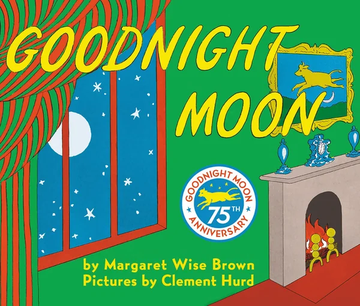
Margaret Wise Brown
Best for: Parents, grandparents, and caregivers of babies and toddlers who want a structured, repetitive bedtime ritual grounded in familiar domestic objects — particularly those who value knowing the developmental thinking behind what they're reading aloud.
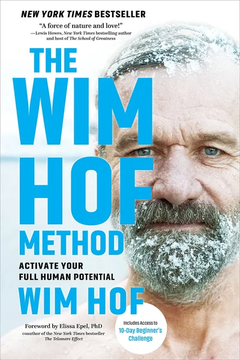
Wim Hof
Best for: Readers curious about breathwork, cold therapy, or mind-body resilience who want the definitive, first-person account of the Wim Hof Method — especially those drawn to a blend of personal memoir, practical step-by-step instruction, and accessible wellness science.
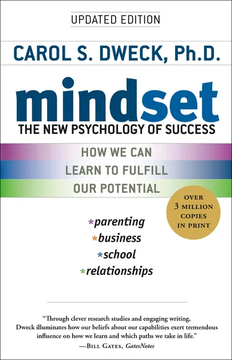
Carol S. Dweck
Best for: Curious general readers — whether in education, business, sport, or parenting — who want a research-grounded introduction to how beliefs about ability shape achievement across virtually every life domain.
Gretchen Rubin
Best for: Readers who want to maintain a long-term personal record but have repeatedly abandoned traditional journals — particularly those already engaged with Gretchen Rubin's work on habits and happiness.
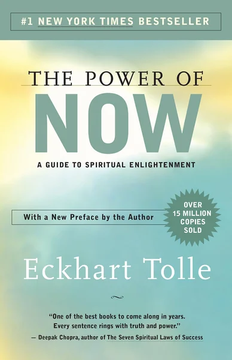
Eckhart Tolle
Best for: Readers already open to contemplative or spiritual frameworks — Buddhist, mystical, or broadly non-denominational — who want an accessible, widely discussed entry point into present-moment awareness and the idea that habitual suffering stems from over-identification with thought.
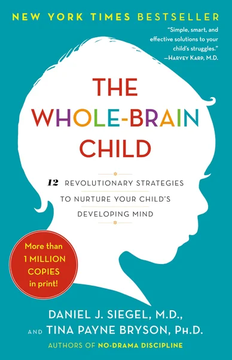
Daniel J. Siegel and Tina Payne Bryson
Best for: Parents and caregivers of young children who want a scientifically grounded, immediately actionable framework for understanding and responding to their children's emotional and behavioural struggles — without needing a clinical background.
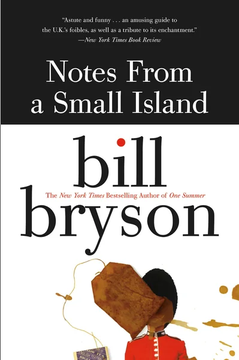
Bill Bryson
Best for: Readers who want to be charmed by Britain's quirks, history, and self-effacing culture through the eyes of a long-resident American — particularly those who enjoy humorous, essayistic travel writing over rigorous itinerary-driven narratives.
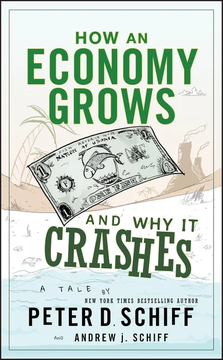
Peter D. Schiff and Andrew J. Schiff
Best for: General readers — especially curious newcomers, students seeking a counterpoint to mainstream economics curricula, and anyone who emerged from the 2008 financial crisis wanting a plain-language, illustrated explanation of what went wrong — who want an accessible entry point into Austrian economic thinking without wading through academic texts.
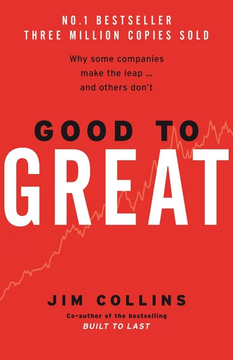
Jim Collins
Best for: Managers, MBA students, or leadership-development participants who want a research-anchored introduction to organizational strategy and want frameworks — Level 5 Leadership, the Hedgehog Concept, the Flywheel — they can test and debate against real organizational contexts.
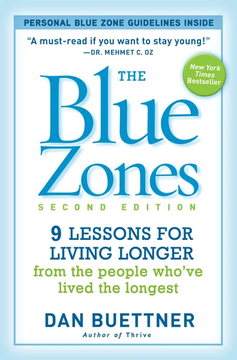
Dan Buettner
Best for: General readers curious about health, diet, aging, and community who want real-world, culturally grounded examples of longevity rather than abstract clinical advice — especially book clubs or wellness groups ready to turn the research into collective action.
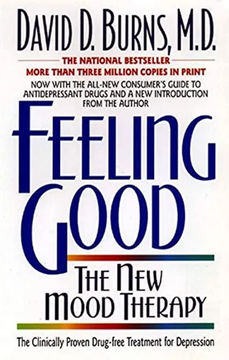
David D. Burns
Best for: Adults experiencing mild to moderate depression, anxiety, guilt, or procrastination who want a structured, evidence-based CBT framework they can work through independently — and therapists seeking a clinically credible bibliotherapy resource to recommend to clients.
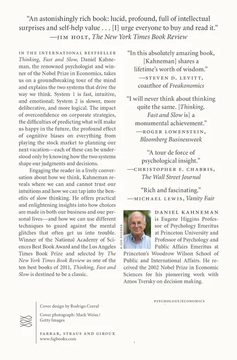
Daniel Kahneman
Best for: Readers curious about the hidden mechanics of human decision-making — whether in markets, careers, or everyday life — who want a rigorous yet accessible survey of behavioral economics and cognitive psychology from one of the field's founding figures.
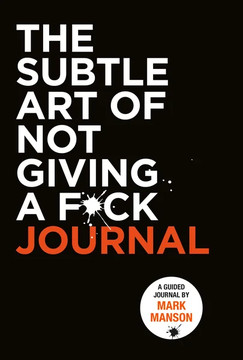
Mark Manson
Best for: Fans of The Subtle Art of Not Giving a F*ck who found Manson's philosophy resonant but want a structured, writable space to actively interrogate their own values, emotions, and priorities through his framework.

Sun Tzu
Best for: Readers serious about military history, political philosophy, or strategic theory who want a physically accessible hardcover edition of one of the most consequential and widely documented strategic texts in recorded history.
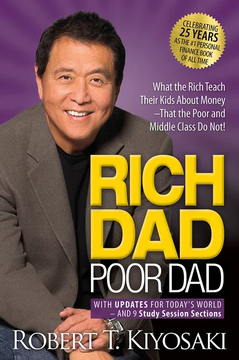
Robert T. Kiyosaki
Best for: First-time readers of personal finance who have never encountered concepts like assets vs. liabilities, passive income, or the distinction between earning a salary and building wealth — and who respond better to parable-driven narrative than to technical instruction.
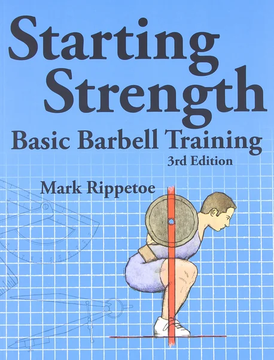
Mark Rippetoe
Best for: Anyone beginning barbell training — novice lifters, coaches working with early-stage athletes, or experienced trainees who want a biomechanically rigorous, illustrated reference for the five core barbell lifts.
Thomas Sowell
Best for: Curious general readers who want a rigorous, jargon-free grounding in economic thinking — from prices and labor markets to international trade — without needing any prior training in the subject.
Jessica Lahey
Best for: Parents of school-age children — especially those entering or navigating middle school — who suspect they may be over-involved and want structured, research-backed guidance on how to step back and let their children build genuine resilience.
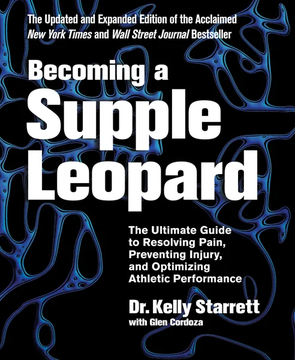
Kelly Starrett and Glen Cordoza
Best for: Athletes, coaches, and sports injury practitioners who want a single, principle-driven reference for understanding movement mechanics, self-assessing dysfunction, and applying corrective mobility work across strength, CrossFit, or endurance training contexts.
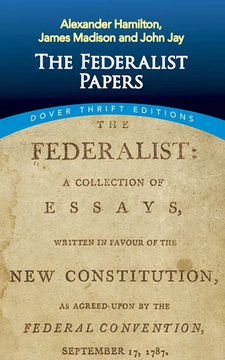
Alexander Hamilton and James Madison and John Jay
Best for: Students of constitutional law, political science, and American history who want to engage directly with the primary text — reading what Hamilton, Madison, and Jay actually argued, clause by clause, for why the Constitution was designed as it was.
Jared Diamond
Best for: General educated readers drawn to big-history thinking who want a single, environmentally grounded explanation for global inequality — and who are willing to pursue the scholarly counter-literature alongside it.
