7 min read
4.8
· 4,316 Amazon ratingsShare This Review

Our review
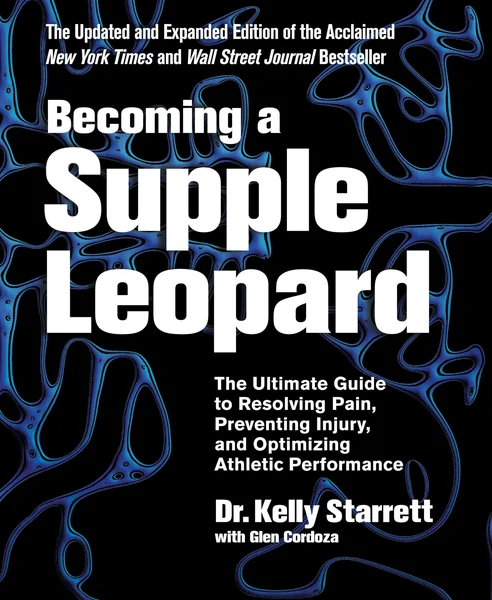
Becoming a Supple Leopard
Becoming a Supple Leopard by Kelly Starrett & Glen Cordoza Review: A Comprehensive Movement and Mobility Manual
Becoming a Supple Leopard is a densely practical reference guide by Kelly Starrett, Doctor of Physical Therapy and CrossFit coach, co-written with Glen Cordoza, presenting a systematic movement and mobility system designed to resolve pain, prevent injury, and optimize athletic performance across a wide range of athletes and practitioners.
LuvemBooks Verdict
Best for
Athletes, coaches, and sports injury practitioners who want a single, principle-driven reference for understanding movement mechanics, self-assessing dysfunction, and applying corrective mobility work across strength, CrossFit, or endurance training contexts.
Worth it if
You're prepared to engage with it as a comprehensive reference system — committing time to learn Starrett's unified framework of midline stabilization, the one-joint rule, and torque laws — rather than mining it for a handful of isolated exercises.
Skip if
You're looking for a concise, quick-reference injury guide or a narrowly targeted corrective protocol, as the book's 480-page scope and proprietary framework demand meaningful investment before yielding practical returns.
What readers & critics say
A PubMed Central review notes that the book combines Starrett's experiential learning with evidence-based concepts to relieve pain, prevent injury, and enhance performance, praising its step-by-step self-assessment protocols and illustrated instructional format (pmc.ncbi.nlm.nih.gov). Breaking Muscle's review highlights that the book's movement categorisation system provides a strong platform for understanding how positional quality transfers to everyday life and high-complexity athletic contexts (breakingmuscle.com).
Sources: PubMed Central (NIH), Breaking Muscle, Jiu Jitsu VortexAsk LuvemBooks
Was this helpful?
- Is it worth reading?
- For athletes, coaches, and sports injury practitioners willing to invest in learning a complete system, Becoming a Supple Leopard delivers one of the most systematic treatments of movement and injury prevention available in a single volume. A PubMed Central review notes that the book combines Starrett's experiential coaching knowledge with evidence-based physical therapy concepts, giving the framework both clinical grounding and real-world application. Those seeking a quick-reference guide or a narrowly focused injury protocol, however, may find the 480-page scope more demanding than practical.
- Similar books
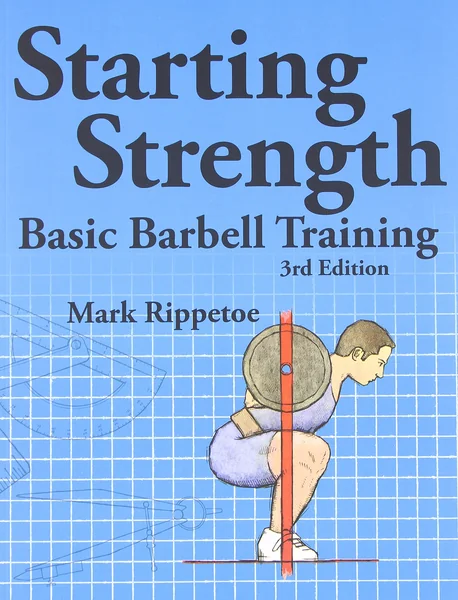
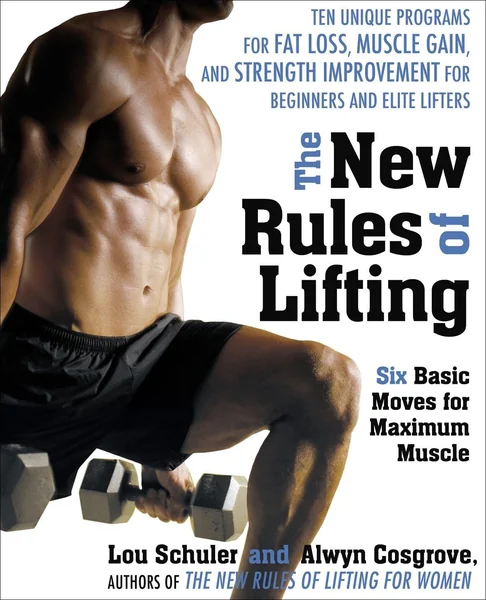
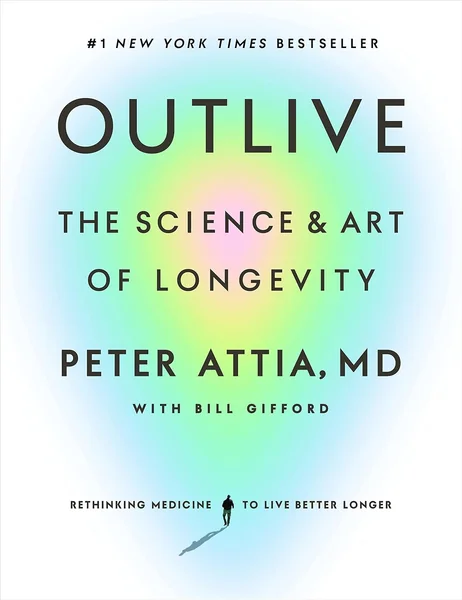
- Readers drawn to Becoming a Supple Leopard for its performance and longevity focus will find strong companions in the curated selections below. Mark Rippetoe's Starting Strength: Basic Barbell Training shares the same principle-driven, technical approach to foundational movement — a natural pairing for strength athletes. Peter Attia's Outlive: The Science and Art of Longevity complements Starrett's injury-prevention framework with a broader view of healthspan and physical resilience. Lou Schuler and Alwyn Cosgrove's The New Rules of Lifting offers another systematic take on athletic training for a cross-audience readership, while Timothy Ferriss's The 4-Hour Body will appeal to readers who want unconventional, performance-optimizing approaches in a similarly comprehensive package.
- Who should read this?
- The book is intentionally designed for a broad but specific audience: competitive athletes (particularly those in strength and conditioning, CrossFit, and endurance sports), coaches, athletic trainers, weekend warriors, and sports injury practitioners. According to a PubMed Central review, the text is written to serve all of these groups within a single framework, making it a rare dual-purpose tool for both clinicians wanting evidence-informed communication tools and athletes seeking to self-manage mobility work between training sessions. Readers entirely new to movement science will face a learning curve, but the structured, illustrated format is specifically designed to make that entry accessible.
- What makes the self-assessment approach unique?
- Rather than prescribing a single corrective path for every reader, Becoming a Supple Leopard is built around a diagnostic-first architecture: step-by-step self-assessment protocols help readers identify their own aberrant movement patterns before selecting targeted corrective techniques. This distinguishes the guide sharply from simpler stretch-and-strengthen formats that apply the same exercises regardless of an individual's specific deficiencies. The approach reflects Starrett's physical therapy background, treating the body as an interconnected mechanical whole rather than a collection of isolated symptoms.
- Is the book too dense or overwhelming?
- At 480 pages, the volume of material — covering movement principles, self-assessment protocols, and a large library of mobilization techniques — is the book's most noted friction point. Readers seeking a quick-reference format or a narrowly focused injury protocol may find the system's breadth more taxing than empowering. The review recommends approaching it as a reference system rather than a cover-to-cover read, which significantly changes how demanding the material feels in practice.
- Is the content evidence-based?
- A review published by the National Institutes of Health's PubMed Central (pmc.ncbi.nlm.nih.gov) notes that the book combines Starrett's experiential coaching knowledge with evidence-based physical therapy concepts, providing both clinical grounding and real-world application. The framework is, however, built around Starrett's proprietary principles — midline stabilization, the one-joint rule, and laws of torque — rather than a purely protocol-driven clinical methodology, which means readers should engage with it as an informed practical system rather than a peer-reviewed treatment manual.
Summarize this book
Follow up
Synthesized from verified book data & published reviews · How we review
What would you like to know about Becoming a Supple Leopard?
Answers come from our editorial notes on this book. If we haven't covered something, we'll say so.
Readers often ask
Our Review
This review covers the book's content, premise and published critical reception, not a first-hand reading.
What the Book Actually Is and What It Argues
Scope and Intended Audience
Core Strengths: A Unified System with Practical Structure
Genuine Limitations and Points of Friction
Who This Book Is genuinely For
Sources & Further Reading
The key facts and claims in this review are grounded in the retrieved, verified sources listed below.
- Cited in this review
- 1
- 2
- 3
calisthenicsworldwide.com
- Further reading
- 4
- 5
thereadystate.com
- 6
- 7
Age & Reading Level
Recommended age
Adult
who it suits
Skip if you want a concise, quick-reference injury guide focused on a single sport or condition rather than a comprehensive movement system.
Reader reviews
Be one of the first readers to answer.
Read it? Was it right for you?
Books like Becoming a Supple Leopard
Curated picks for readers who enjoyed Becoming a Supple Leopard, with our reasoning for each match.

If you liked Becoming a Supple Leopard