8 min read
4.7
· 1,376 Amazon ratingsShare This Review
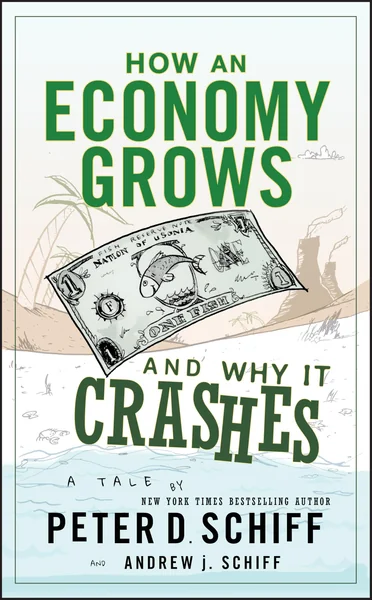
How an Economy Grows and Why It Crashes by Peter D. Schiff and Andrew J. Schiff Review: Austrian Economics Made Accessible Through Allegory
A New York Times bestseller and 2010 getAbstract International Book Award winner, How an Economy Grows and Why It Crashes is an illustrated allegorical book in which Peter D. Schiff and Andrew J. Schiff use humor, cartoons, and fictitious storytelling to explain inflation, deficit spending, central banking, international trade, and the 2008 financial crisis through a distinctly Austrian economics lens — arguing that production and savings, not consumption and inflation, are the true engines of prosperity.
LuvemBooks Verdict
Best for
General readers — especially curious newcomers, students seeking a counterpoint to mainstream economics curricula, and anyone who emerged from the 2008 financial crisis wanting a plain-language, illustrated explanation of what went wrong — who want an accessible entry point into Austrian economic thinking without wading through academic texts.
Worth it if
Worth reading if you want a clearly argued, visually engaging introduction to Austrian economics — covering production, savings, deflation, and the mechanics of the 2008 crisis — told through allegory and humor rather than academic argument.
Skip if
Skip it if you're looking for a balanced survey of macroeconomic schools of thought, or if you find that the cartoon-and-fable format's necessary simplification underserves the real complexity of monetary policy and financial regulation.
What readers & critics say
Wikipedia notes the book was a 2010 getAbstract International Book Award winner and a New York Times bestseller, with the Washington Times praising how it conveys economic ideas "through an engaging, fictitious story richly illustrated with amusing cartoons." The Foundation for Economic Education (fee.org) highlights that Schiff and his brother bypass the academic crowd with "an amalgam of allegorical storytelling and current events" aimed at promoting genuine economic comprehension.
Sources: Wikipedia, Foundation for Economic Education (fee.org)Ask LuvemBooks
Was this helpful?
- Is it worth reading?
- For general readers curious about economics — especially those who emerged from the 2008 financial crisis wanting a plain-language explanation of what went wrong — How an Economy Grows and Why It Crashes earns its New York Times bestseller status and 2010 getAbstract International Book Award. Its illustrated, story-driven format genuinely succeeds at making intimidating concepts accessible. The honest caveat is that the book is an argument, not a balanced overview: it presents Austrian economics with conviction and does not engage meaningfully with Keynesian or other competing frameworks, so readers seeking a neutral survey of macroeconomics will need to supplement it elsewhere.
- Similar books
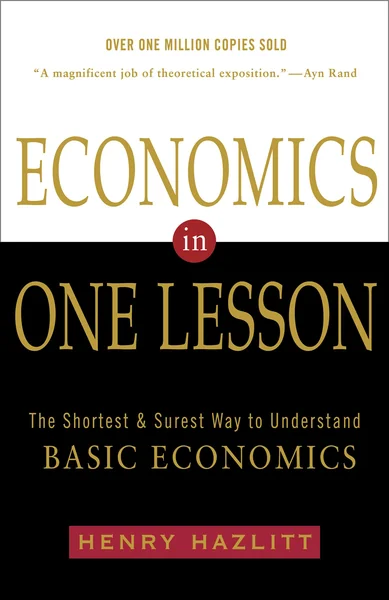
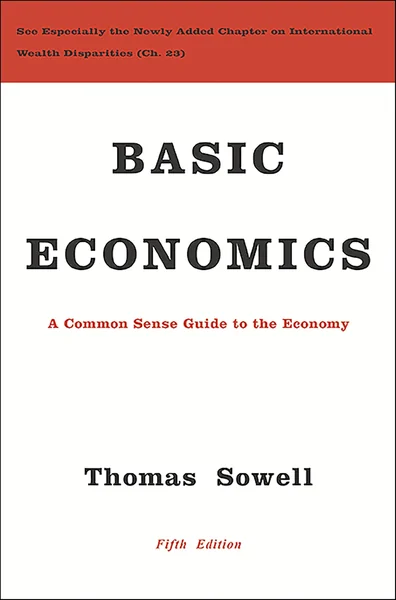
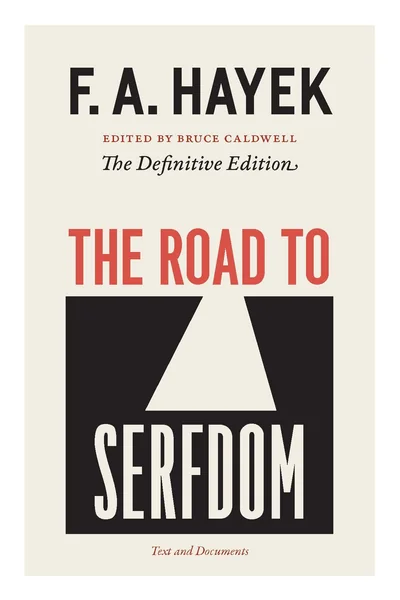
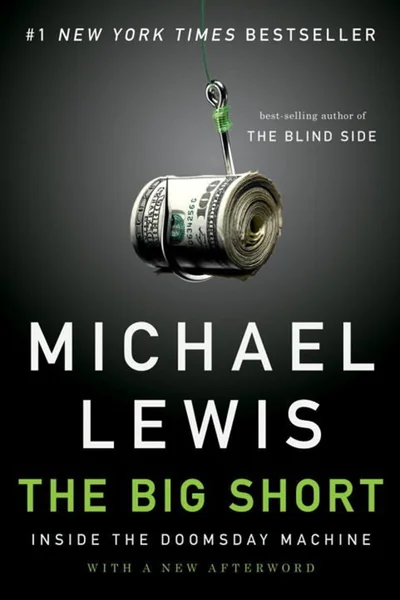
- Readers who enjoy How an Economy Grows and Why It Crashes will find strong companions in the related titles below. Henry Hazlitt's Economics in One Lesson is the closest parallel — a similarly accessible, free-market-oriented primer that distills economic reasoning into clear, argument-driven prose. Thomas Sowell's Basic Economics offers a broader, more comprehensive introduction to economic principles without equations. For Austrian and classical-liberal theory at a deeper level, F. A. Hayek's The Road to Serfdom and Adam Smith's foundational The Wealth of Nations provide essential intellectual context. Michael Lewis's The Big Short covers the 2008 financial crisis from a narrative nonfiction angle, offering a compelling counterpart perspective on the same events.
- Who should read this?
- How an Economy Grows and Why It Crashes is squarely aimed at general readers who want an introduction to economics — particularly the Austrian tradition — without wading through academic texts. It is well-suited to curious newcomers, students looking for a counterpoint to mainstream economic curricula, and anyone who emerged from the 2008 financial crisis wanting a plain-language explanation of what went wrong. Readers already sympathetic to free-market and sound-money principles will find it a thorough articulation of those positions; those who hold different economic views will find it a direct, unequivocal challenge to their assumptions.
- What are the main themes?
- The book organizes its argument around three core Austrian economics themes: production over consumption as the engine of growth, saving over spending as the path out of economic difficulty, and deflation over inflation as compatible with genuine prosperity. Beyond these central claims, it examines capital formation, the mechanics of international trade, the nature of deficit spending, central banking, and the specific dynamics of the 2008 financial crisis — all illustrated through an allegorical story designed to make these ideas intuitively accessible to general readers.
- What's the reading level?
- The book is written for a general adult audience and requires no prior background in economics. Its cartoon-and-fable structure is deliberately designed to make concepts like capital formation, central banking, and deficit spending intuitive for newcomers — the Washington Times noted it conveys economic ideas 'through an engaging, fictitious story richly illustrated with amusing cartoons.' Readers comfortable with economic nuance may find the simplified allegorical format underserves the full complexity of the topics, but for the intended general audience it is highly accessible.
- Has it won any awards?
- How an Economy Grows and Why It Crashes won the 2010 getAbstract International Book Award and reached the New York Times bestseller list, confirming that the book found a broad and receptive audience well beyond specialist economic circles. These credentials reflect both critical recognition and popular appeal, which is notable for a book that takes a strongly argued, unconventional position against Keynesian and monetarist orthodoxies.
Summarize this book
Follow up
Synthesized from verified book data & published reviews · How we review
Press Enter to ask. Answers come from our editorial Q&A — start typing to see related questions.
Age & Reading Level
Recommended age
Adult
Reading level
Adult
who it suits
Skip if you want a balanced survey of macroeconomic schools of thought, including Keynesian and monetarist perspectives.
Our Review
What the Book Is and What It Argues
The Austrian Economics Framework
Format, Strengths, and Reception
Limitations and Who May Be Frustrated
Who This Book Is For
Sources & Further Reading
The key facts and claims in this review are grounded in the retrieved, verified sources listed below.
- Cited in this review
- 1
- 2
en.wikipedia.org
- 3
- Further reading
- 4
- 5
- 6
Books like How an Economy Grows and Why It Crashes
Curated picks for readers who enjoyed How an Economy Grows and Why It Crashes, with our reasoning for each match.
If you liked How an Economy Grows and Why It Crashes