
8 min read
4.7
· 8,954 Amazon ratingsShare This Review
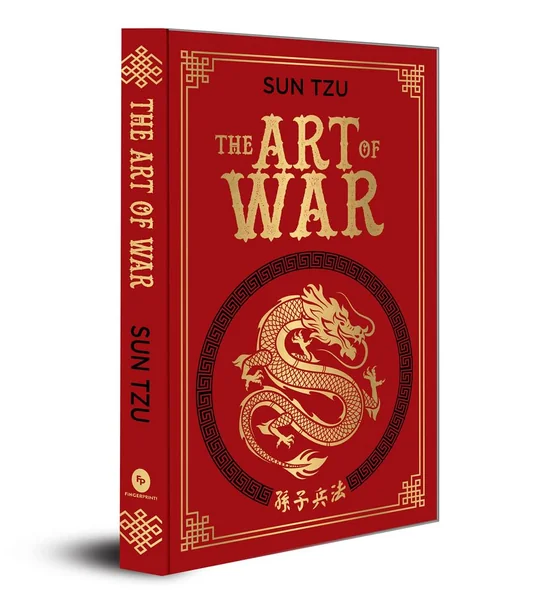
The Art of War by Sun Tzu Review: A Timeless Treatise on Strategy and Power
Dating from the late Spring and Autumn period of ancient China (roughly the 5th century BCE), Sun Tzu's The Art of War is a 13-chapter military treatise that Wikipedia describes as one of the most influential works on strategy of all time — a judgment borne out by its continuous use across nearly 2,500 years of military, political, and intellectual history. This Fingerprint reprint edition makes the text newly accessible in hardcover, carrying forward a work whose reach extends far beyond its original battlefield context.
LuvemBooks Verdict
Best for
Readers serious about military history, political philosophy, or strategic theory who want a physically accessible hardcover edition of one of the most consequential and widely documented strategic texts in recorded history.
Worth it if
You want a foundational strategic text whose core argument — that restraint, intelligence, and preparation outperform brute force — has been directly applied by major military and political leaders across continents and centuries.
Skip if
Those requiring a heavily annotated scholarly edition with full critical apparatus and verified translation accuracy should seek out specialist translations rather than an unverified reprint.
What readers & critics say
Wikipedia documents The Art of War as one of the most influential works on strategy of all time, noting it shaped both East Asian and Western military theory across millennia and served as the lead text in the Seven Military Classics from 1080 CE. Encyclopedia.com characterises Sun Tzu as standing apart from later military theorists by framing war as a last resort — itself a defeat — and preferring diplomatic resolutions and espionage to open warfare, placing him at the head of the table in the long history of military theory.
Sources: Wikipedia, Encyclopedia.comAsk LuvemBooks
Was this helpful?
- Is it worth reading?
- For anyone with a serious interest in strategy, leadership, political philosophy, or military history, The Art of War is essential reading — few books of any era can claim a roster of documented readers spanning Mao Zedong, Vietnamese general Võ Nguyên Giáp, and American generals Douglas MacArthur and Norman Schwarzkopf Jr. The text is short and aphoristically dense, meaning individual passages carry significant weight and readers tend to return to it repeatedly rather than consume it once. The main caveat is translation quality: readers of the Fingerprint reprint should verify which translation underlies the edition before purchasing, since earlier English translations were criticized sharply for accuracy.
- Similar books
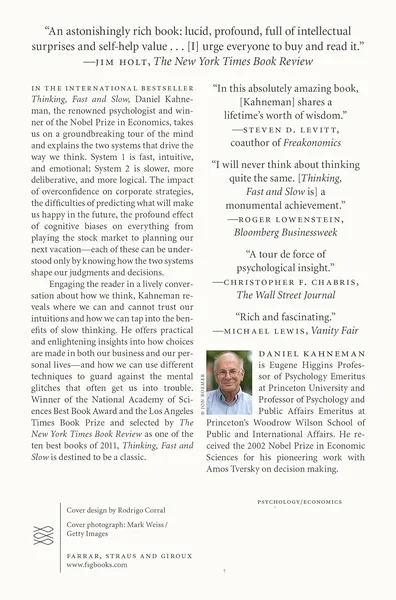
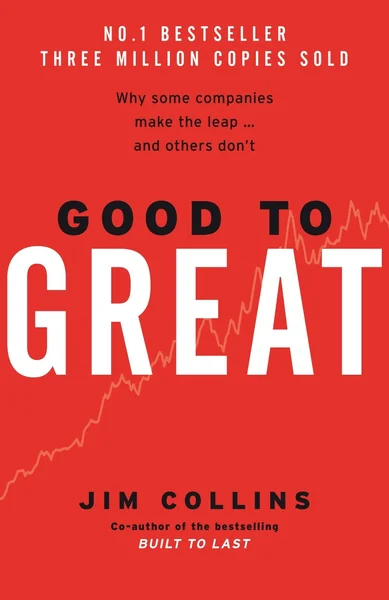
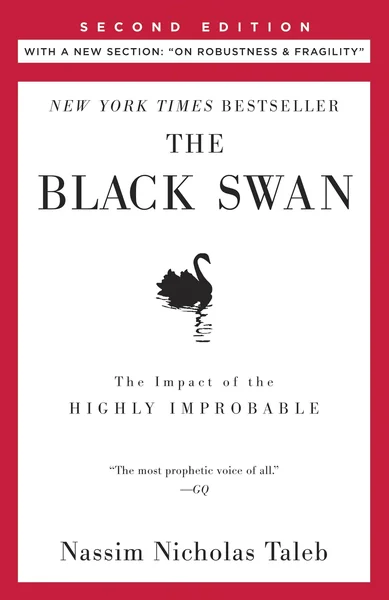
- Readers drawn to The Art of War typically enjoy other foundational texts in strategic and philosophical thought. Niccolò Machiavelli's The Prince offers a similarly unsentimental framework for power and leadership, while Marcus Aurelius's Meditations provides a complementary philosophical perspective on self-discipline and command. For modern strategic thinking, Robert Greene's The 33 Strategies of War draws directly on Sun Tzu's tradition, and Nassim Nicholas Taleb's The Black Swan examines uncertainty and preparation in ways that echo Sun Tzu's emphasis on adaptability. Jim Collins's Good to Great and Daniel Kahneman's Thinking, Fast and Slow round out the list for readers applying strategic principles to business and decision-making.
- Who should read this?
- The Art of War is essential reading for anyone serious about strategy, leadership, military history, or political philosophy — its documented influence on figures from Mao Zedong and General Norman Schwarzkopf Jr. to General Colin Powell makes it a foundational reference across disciplines. Business readers and corporate strategists will find the text's principles on intelligence, preparation, and economy of force directly applicable to competitive environments. Readers approaching it purely as a primary historical document should be aware that the text has a complex editorial history, with scholarly questions around authorship and editorial changes that matter for that kind of reading.
- About Sun Tzu
- Sun Tzu was a Chinese military general, strategist, philosopher, and writer who lived during the Eastern Zhou period. It is worth noting that beginning around the 12th century, Chinese scholars began questioning Sun Tzu's historical existence, and the text's editorial history adds further complexity to questions of authorship — a dimension the LuvemBooks review addresses directly.
- Why is this book trending?
- Sun Tzu's The Art of War is currently having a moment on TikTok, with creators sharing quotes and strategic breakdowns of the 2,500-year-old text and bringing fresh attention to its core ideas. It is one of those foundational works that keeps finding new audiences across generations, and the BookTok wave is driving a new cycle of readers to a text that has never really left the cultural conversation.
- Who has been influenced by this book?
- The documented roster of leaders who drew directly from The Art of War spans continents and centuries: military and political figures including Mao Zedong, Japanese daimyō Takeda Shingen, Vietnamese general Võ Nguyên Giáp, and American generals Douglas MacArthur and Norman Schwarzkopf Jr. are all cited as having used the text. General Colin Powell, Chairman of the Joint Chiefs of Staff and later Secretary of State, is on record having read it. For almost 1,500 years, the text also served as the lead work in the Seven Military Classics, formally recognized by Emperor Shenzong of Song in 1080 CE — an institutional standing that speaks to its centrality in East Asian strategic culture.
- About this edition
- The edition under review is the Fingerprint hardcover reprint published in December 2018, which positions itself as an accessible entry point to one of history's most widely read strategic texts. LuvemBooks flags one key consideration: the quality of any Art of War edition is heavily dependent on translation choices, and readers should verify which translation underlies the Fingerprint reprint before purchasing — earlier English translations were criticized for accuracy, with Lionel Giles's 1910 annotated edition representing the scholarly benchmark in English.
Summarize this book
Follow up
Synthesized from verified book data & published reviews · How we review
Press Enter to ask. Answers come from our editorial Q&A — start typing to see related questions.
Age & Reading Level
Recommended age
Adult
Reading level
Adult
who it suits
Skip if you want a modern annotated scholarly edition with full critical apparatus and verified translation provenance.
Our Review
What the Book Actually Is
Historical Significance and Canonical Standing
Core Strengths of the Text
Limitations and Points of Scholarly Caution
Who This Edition Is For
Sources & Further Reading
The key facts and claims in this review are grounded in the retrieved, verified sources listed below.
- Cited in this review
- 1
encyclopedia.com
- 2
utoledo.edu
- 3
en.wikipedia.org
- Further reading
- 4
Sun Tzu, Wikipedia
- 5
classics.mit.edu
- 6
- 7
sites.ualberta.ca
- 8
aliceosborn.com
- 9
danyelkoca.com
Books like The Art of War
Curated picks for readers who enjoyed The Art of War, with our reasoning for each match.
If you liked The Art of War

Why It’s Trending
The Art of War Is Having a Moment Again — Here's Why People Keep Coming Back to It
Sun Tzu's ancient strategy guide keeps finding new audiences, and right now it's popping up everywhere from business blogs to luxury fashion runways. It's one of those books that never really goes away — and lately, it's going away less than ever.