Our reviews
1,017 books, each with who it's for, who should skip it, reading level and content notes, and every source we used.
405 reviews match
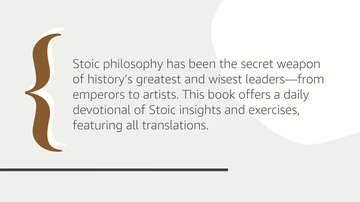
Ryan Holiday, Stephen Hanselman
Best for: Practically minded readers who want a structured, year-long introduction to Stoic philosophy — applied daily to questions of resilience, decision-making, and self-discipline — without needing any prior grounding in ancient thought.
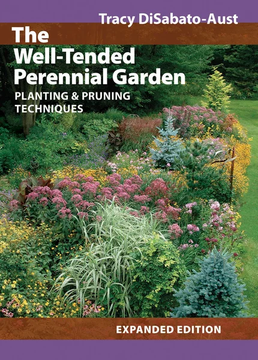
Tracy Disabato-Aust
Best for: Committed perennial gardeners who want to move beyond seasonal trial-and-error and build a deep, principle-based understanding of planting, maintenance, and pruning across the full growing year.
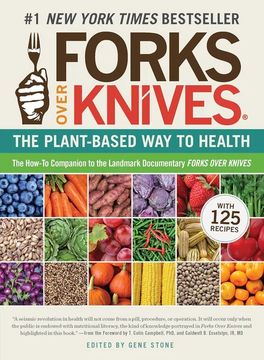
Gene Stone
Best for: Readers who saw the Forks Over Knives documentary and want a credentialed, consolidated printed resource that combines the film's whole-food, plant-based argument with 96 practical recipes for every meal of the day.
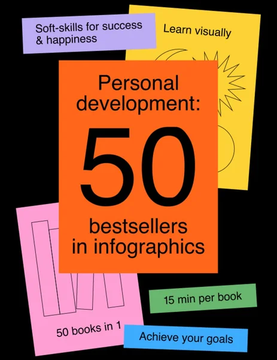
Ivi Green
Best for: Readers new to personal-development literature who want a structured, visual overview of the genre's 50 most recognised titles in one reference volume, as well as visual learners and busy professionals seeking a quick-scan soft-skills survey.
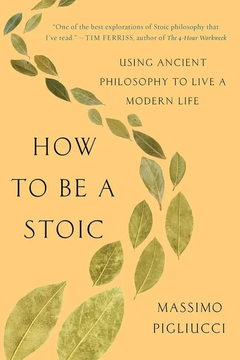
Massimo Pigliucci
Best for: General readers who want a philosophically rigorous yet personally grounded entry point into Stoicism as a lived practice, backed by real scholarly credentials rather than self-help approximations.
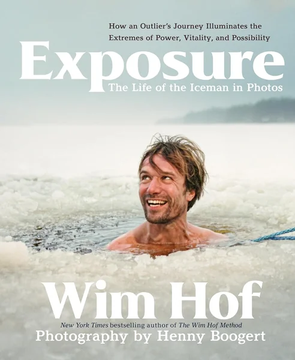
Wim Hof
Best for: Existing fans of Wim Hof's philosophy and previous work who want a large-format retrospective combining personal photographs, biographical episodes, and Hof's original motivational writing in a single volume.
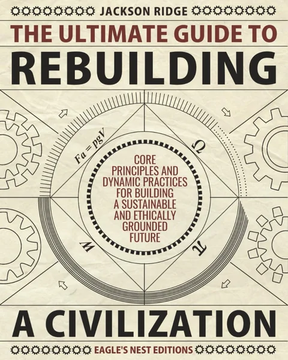
Jackson Ridge
Best for: Curious non-specialists — particularly those drawn to the collapse-and-recovery historical lens — who want a single, accessible, progressively structured introduction to the interconnected pillars of civilisational resilience: renewable energy, sustainable agriculture, ethical governance, and community building.
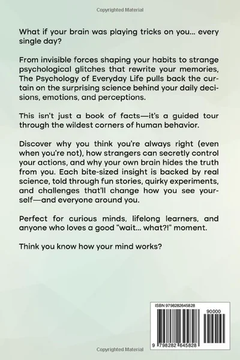
Adrian Holt
Best for: Curious general readers who want a low-commitment, no-prior-knowledge entry point into applied psychology — particularly those encountering cognitive biases, habit loops, and social influence for the first time and looking for a practical reference they can dip into in short sessions.
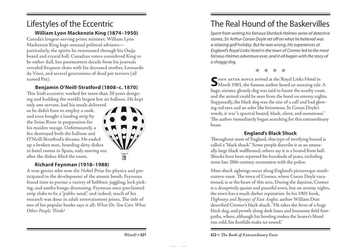
Publications International Ltd.
Best for: Trivia enthusiasts, history hobbyists, and curious adults who enjoy serendipitous, wide-ranging facts across ten subject categories — and anyone looking for a substantial, browse-friendly hardcover gift for a knowledge-hungry dad, friend, or colleague.
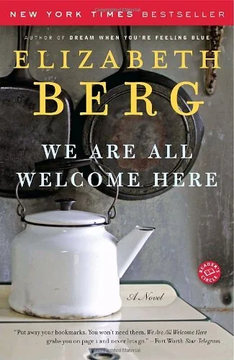
Elizabeth Berg
Best for: Readers who gravitate toward character-driven, emotionally accessible historical fiction and want a story about the texture of daily survival — particularly book clubs looking for a novel that opens up questions about resilience, maternal determination, and the civil rights era through an intimate domestic lens.
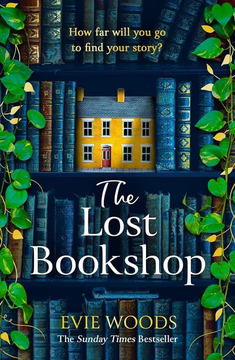
Evie Woods
Best for: Bibliophile readers who revel in bookshop atmospheres, literary history, and dual-timeline mysteries — particularly those drawn to women's fiction with real thematic weight and a taste for magical realism alongside period detail.
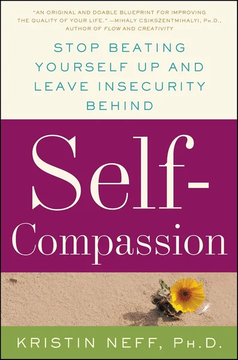
Kristin Neff
Best for: Readers who have long defaulted to harsh self-criticism and want a structured, research-grounded framework — not just motivational anecdotes — for replacing that habit with genuine self-compassion across their emotional life, relationships, and parenting.
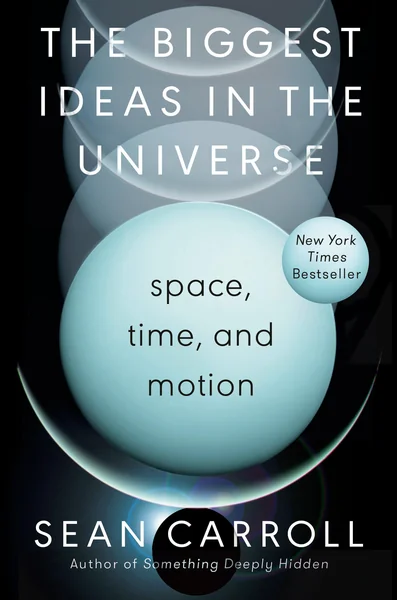
Sean Carroll
Best for: Curious readers — whether students of introductory physics or mathematically willing adults — who want to understand how physics actually works through its real equations, not just polished metaphors.

Lon Chenowith
Best for: Christian readers who are active hikers or AT enthusiasts and want a spiritually integrated, section-hiker's memoir that frames a fourteen-year, 2,170-mile journey as an act of faith as much as physical endurance.
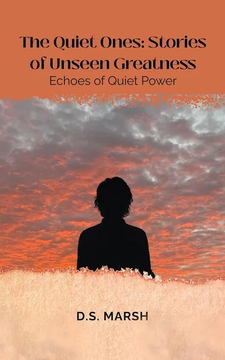
D.S. Marsh
Best for: Readers drawn to literary nonfiction who want to encounter themes of leadership, influence, and character through human narrative rather than business frameworks or self-help rubrics — particularly those interested in overlooked, quietly consequential lives.
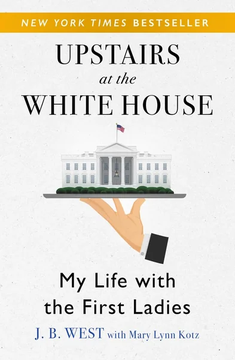
J. B. West, Mary Lynn Kotz
Best for: Readers fascinated by the private, operational life of the mid-twentieth-century White House — the logistics of state dinners, the personalities of First Ladies, and the domestic rhythms behind the public ceremonies — across five administrations from FDR to the early Nixon years.
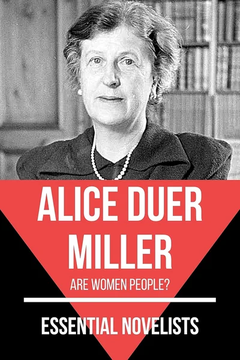
Alice Duer Miller, August Nemo
Best for: Readers drawn to the history of the American suffrage movement, scholars of early twentieth-century political poetry, or anyone curious about how satirical verse can function simultaneously as investigative journalism and civic activism.
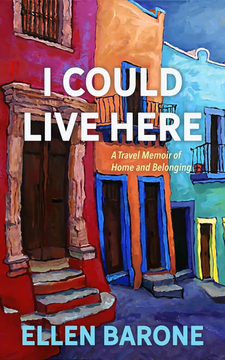
Ellen Barone
Best for: Midlife readers contemplating long-term travel abroad, expatriate life, or slow travel who want a memoir that interrogates what home and belonging genuinely mean — not just where to go next.
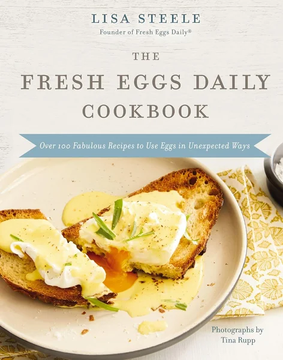
Lisa Steele
Best for: Home cooks — especially backyard chicken keepers managing a surplus — who want creative, meal-spanning ways to use eggs across breakfast, pasta, cocktails, and everything in between, guided by a fifth-generation keeper's practical expertise.
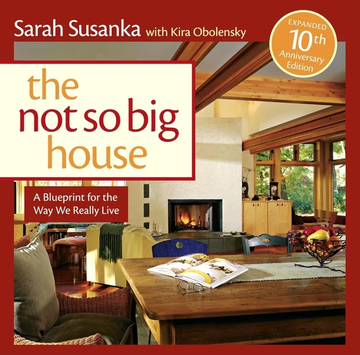
Sarah Susanka
Best for: Homeowners in the early stages of planning a build or remodel who want a clear, principle-driven framework for prioritizing quality, comfort, and intentionality over raw square footage.
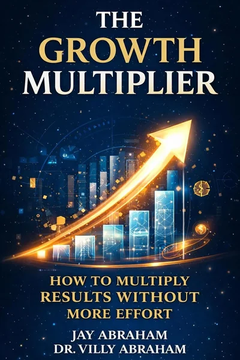
Jay Abraham, Villy Abraham
Best for: Entrepreneurs, CEOs, and business leaders who want a substantive, framework-driven guide to scaling results through leverage, trust, and behavioral strategy — without simply working harder or spending more.
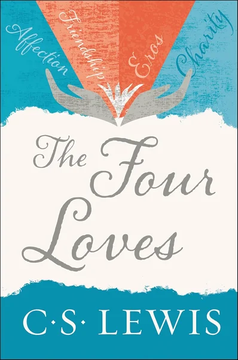
C. S. Lewis
Best for: Readers drawn to Christian philosophy and the ethics of relationship who want a structured, accessible framework for examining the full range of human loves — from everyday affection to the theological ideal of charity.
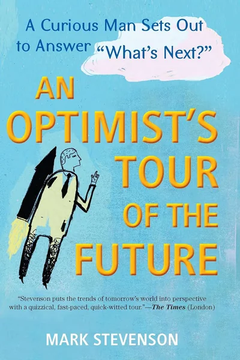
Mark Stevenson
Best for: Curious generalists who want a broad, personality-driven tour of emerging science — synthetic biology, robotics, nanotechnology, alternative energy — without needing a technical background, written in the accessible, narrative-led tradition of Bill Bryson.
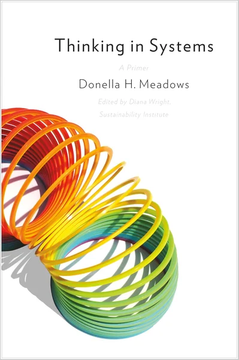
Donella H. Meadows
Best for: Curious non-specialists — whether in ecology, management, programming, or policy — who want a rigorous yet mathematically light conceptual framework for understanding why complex systems behave the way they do.
