

8 min read
4.5
· 1,588 Amazon ratingsShare This Review
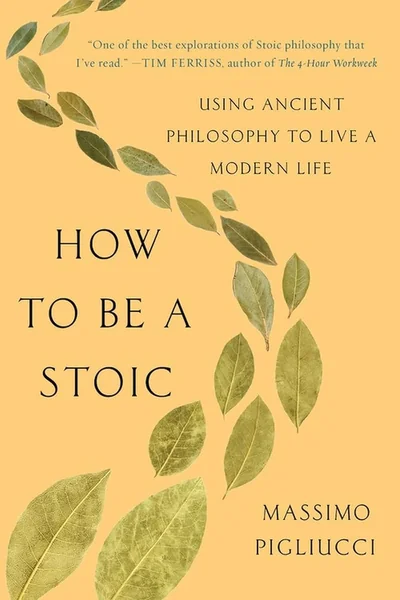
How to Be a Stoic by Massimo Pigliucci Review: A Practical, Philosophically Grounded Modern Guide
How to Be a Stoic: Using Ancient Philosophy to Live a Modern Life by Massimo Pigliucci (Basic Books) is a rigorous yet accessible self-help philosophy book that channels the ancient Stoic tradition — particularly the teachings of Epictetus — into a framework for contemporary living, written by a professional philosopher who brings both academic depth and personal conviction to the subject.
LuvemBooks Verdict
Best for
General readers who want a philosophically rigorous yet personally grounded entry point into Stoicism as a lived practice, backed by real scholarly credentials rather than self-help approximations.
Worth it if
You want an accessible, structured guide to Stoic ethics and practical techniques — one written by an actual philosopher who has personally road-tested the tradition against contemporary science and secular thought.
Skip if
You're looking for a comprehensive scholarly treatment of Stoic metaphysics or coverage of the tradition's views on sexuality and passion — this book deliberately trades technical depth for accessibility and personal applicability.
What readers & critics say
The Philosophers' Magazine archive calls it "an excellent advertisement to general audiences not only for Stoicism, but also for philosophy in general," praising its application to everyday living. The Washington Independent Review of Books describes it as "highly readable, written in clear and accessible prose, and illuminated with anecdotes of both a personal and an historical nature," noting that many of its points resonate with contemporary concerns.
Sources: The Philosophers' Magazine (archive), Washington Independent Review of BooksAge & Reading Level
Recommended age
Adult
Reading level
Adult
who it suits
Skip if you want a comprehensive scholarly treatment of Stoic metaphysics or engagement with Stoic views on sexuality and passion.
In This Review
- What Works & What Doesn't
- What the Book Actually Is and Does
- The Author's Credentials and Context
- The Central Argument: A More Nuanced Stoicism
- Reception and Strengths
- Who This Book Is For — and Where It Has Limits
What Works & What Doesn't
What Works
- Written by a credentialed academic philosopher — the K. D. Irani Professor of Philosophy at CUNY — bringing genuine scholarly authority to a popular format
- The imaginary-dialogue structure with Epictetus is praised by peers as carrying readers through the material while staying anchored in ancient Stoic sources
- Directly confronts and corrects the popular misconception of Stoicism as emotionally repressive, presenting a socially engaged and humanistic version of the tradition
- Includes twelve practical techniques drawn from Stoic practice, giving the book a concrete, structured dimension beyond philosophical argument
- Pigliucci grounds the discussion in his own intellectual biography, making the case for Stoicism feel personally tested rather than merely theoretical
What Doesn't
- The conversational, practical focus means certain technical dimensions of Stoic philosophy receive less coverage — readers seeking deep scholarly treatment of Stoic metaphysics may find it deliberately selective
- Topics such as Stoic views on sexuality and passion are not addressed, leaving some aspects of the tradition's scope unexplored
What the Book Actually Is and Does
The Author's Credentials and Context
The Central Argument: A More Nuanced Stoicism
Reception and Strengths
Who This Book Is For — and Where It Has Limits
Frequently Asked Questions
Sources & Further Reading
The key facts and claims in this review are grounded in the retrieved, verified sources listed below.
- Cited in this review
- 1
- 2
donaldrobertson.name
- 3
- 4
- Further reading
- 5
- 6
Related Reviews
Reviews of books we picked for readers who enjoyed How to Be a Stoic.
Reader Comments
No comments yet
Be the first to share your thoughts!