
9 min read
4.4
· 163,773 Amazon ratingsFeatured In
Share This Review
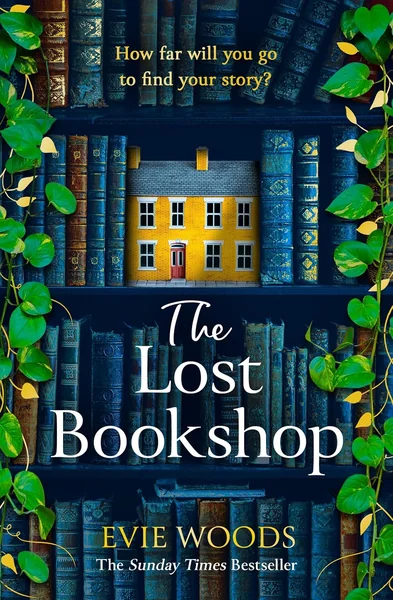
The Lost Bookshop by Evie Woods Review: A Million-Copy Dual-Timeline Bibliophile's Delight
Evie Woods's The Lost Bookshop is a genre-blending novel that weaves magical realism, historical fiction, bibliophilia, and romance across two timelines — 1920s Europe and contemporary Dublin — drawing together three distinct narrators in a mystery centred on a vanished bookshop and a possibly undiscovered Emily Brontë manuscript. Published in 2023 by One More Chapter, an imprint of HarperCollins, it topped the Wall Street Journal's weekly book list, made the Sunday Times top 10, became a bestseller on Amazon UK and US, was shortlisted for Page-Turner of the Year at the 2024 British Book Awards, and by May 2024 had surpassed one million copies sold worldwide.
 Tap to enlarge
LuvemBooks Verdict
Best for
Bibliophile readers who revel in bookshop atmospheres, literary history, and dual-timeline mysteries — particularly those drawn to women's fiction with real thematic weight and a taste for magical realism alongside period detail.
Worth it if
You want a sweeping, immersive crossover novel that blends a concrete literary puzzle (a lost Brontë manuscript, Shakespeare and Company, Hemingway and Joyce) with emotionally grounded themes of female autonomy and reinvention — and you're willing to invest in a slow-burn, multi-strand structure before the timelines converge.
Skip if
Skip it if you want a single-genre experience — whether rigorous historical fiction, pure literary fantasy, or focused literary fiction — or if you prefer a fast-moving, single-viewpoint narrative rather than patient, parallel mysteries across a considerable length.
What readers & critics say
Wikipedia's record of the novel's reception notes it topped critical coverage's weekly book list, entered the Sunday Times top 10, became a bestseller on Amazon UK and US, surpassed one million copies sold by May 2024, and was shortlisted for Page-Turner of the Year at the 2024 British Book Awards. Reviewer coverage summarised at swirlandthread.com described it as "an evocative and charming novel full of mystery and secrets" in the tradition of The Keeper of Stories meets The Lost Apothecary.
Sources: Wikipedia – The Lost Bookshop, Swirl and ThreadAge & Reading Level
Recommended age
Adult
Reading level
Adult
2 content notes · who it suits
Content to know about
Skip if you want a single-genre read — pure historical fiction, literary fantasy, or cozy romance — without a wide genre blend and slow-burn multi-timeline structure
In This Review
- What Works & What Doesn't
- What the Novel Is and What It Contains
- Significance and Publishing Journey
- Strengths: Architecture and Literary Atmosphere
- Genuine Limitations and Who May Struggle
- Who the Novel Is For
What Works & What Doesn't
What Works
- Inventive dual-timeline structure weaves 1920s Europe and contemporary Dublin into a single converging mystery
- The Emily Brontë lost-manuscript thread gives the plot a concrete literary puzzle that anchors the magical-realist elements
- Historical grounding at Shakespeare and Company places Opaline among documented literary figures — Joyce and Hemingway — lending the period strand specific texture
- Tackles substantive real-world themes — domestic violence, alcoholism, and societal misogyny — alongside the fantastical premise
- A proven crossover hit: topped the Wall Street Journal weekly book list, made the Sunday Times top 10, surpassed one million copies sold, and was shortlisted for the 2024 British Book Awards Page-Turner of the Year
What Doesn't
- The wide genre blend — magical realism, historical fiction, romance, fantasy — may satisfy generalists but frustrate readers seeking a purer example of any single genre
- The multi-strand first-person structure and slow convergence of timelines require patience; readers who prefer fast narrative payoffs or single viewpoints may find the pacing challenging
What the Novel Is and What It Contains

Significance and Publishing Journey
Strengths: Architecture and Literary Atmosphere
Genuine Limitations and Who May Struggle
Who the Novel Is For
Frequently Asked Questions
Sources & Further Reading
The key facts and claims in this review are grounded in the retrieved, verified sources listed below.
- Cited in this review
- 1
en.wikipedia.org
- 2
laurieisreading.com
- Further reading
- 3
Evie Woods, Wikipedia
- 4
swirlandthread.com
- 5
paperbackdown.com
- 6
booksthatslay.com
- 7
barnesandnoble.com
Related Reviews
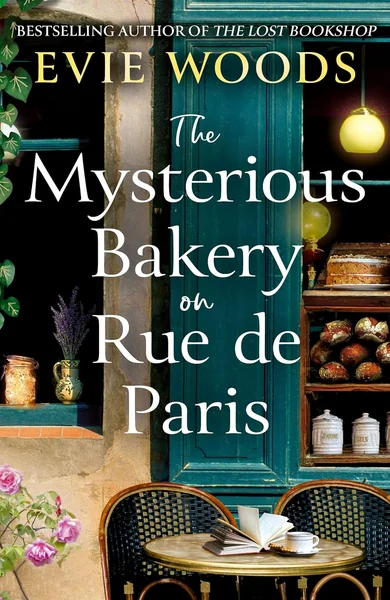
Reviews of books we picked for readers who enjoyed The Lost Bookshop.
Reader Comments
No comments yet
Be the first to share your thoughts!