9 min read
4.5
· 2,080 Amazon ratingsShare This Review
We Are All Welcome Here by Elizabeth Berg Review: A Poignant Snapshot of Resilience and Freedom
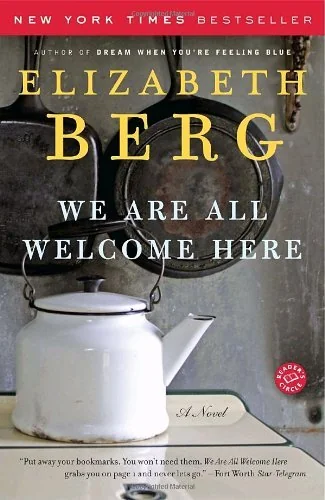
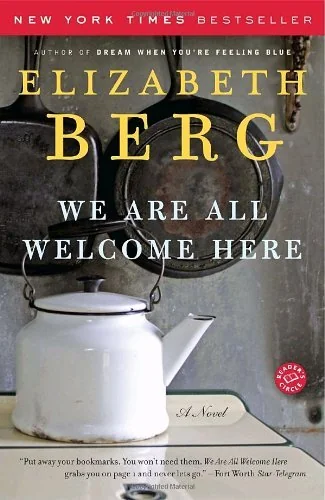
Set in Tupelo, Mississippi during the summer of 1964, Elizabeth Berg's novel We Are All Welcome Here centers on three women — the quadriplegic Paige Dunn, her teenage daughter Diana, and their no-nonsense Black caregiver Peacie — each fighting for her own version of freedom against the twin backdrops of the civil rights movement and deeply personal adversity. A New York Times bestselling author whose work has been published in thirty-one countries, Berg brings her characteristic empathy to a story that is both intimate and historically grounded. Kirkus Reviews assessed it as a "feathery feel-good story about triumph over adversity," noting that while the novel's components are compelling, it falls short of full emotional resonance in places — a tension between warmth and weight that readers should weigh before picking it up.
LuvemBooks Verdict
Best for
Readers who gravitate toward character-driven, emotionally accessible historical fiction and want a story about the texture of daily survival — particularly book clubs looking for a novel that opens up questions about resilience, maternal determination, and the civil rights era through an intimate domestic lens.
Worth it if
The domestic drama of a quadriplegic mother raising her daughter with fierce will, set against the charged summer of 1964 Mississippi, sounds more compelling to you than a panoramic historical reckoning — and you're drawn to Berg's documented gift for making readers empathize completely with her characters.
Skip if
If you're looking for a novel that sits unflinchingly with the violence and moral complexity of the civil rights era, or an ending that resists resolution, Kirkus Reviews' verdict of "feathery feel-good" is a fair warning that Berg's warmth can blunt the harder edges her material warrants.
What readers & critics say
Kirkus Reviews describes it as "a feathery feel-good story about triumph over adversity," acknowledging Berg has the dramatic components in place but finding the novel ultimately lacks emotional resonance and offers an ending that defies the rest of the novel's realism. Publishers Weekly characterizes it as a "carefully calibrated domestic drama," while PopMatters, despite finding its ultimate execution disappointing, credits Berg with creating "complex, memorable, and believable characters whose company the reader thoroughly relishes."
“A feathery feel-good story about triumph over adversity — probably another hit for Berg.”
— Kirkus Reviews“Berg's latest carefully calibrated domestic drama.”
— Publishers WeeklyAsk LuvemBooks
Was this helpful?
- Is it worth reading?
- For readers who gravitate toward character-driven, emotionally accessible historical fiction, We Are All Welcome Here delivers a distinctive and humane story built around a premise that is both unusual and historically grounded. Paige Dunn is a memorable creation — a woman whose disability never diminishes her authority, creativity, or romantic life — and Berg's accessible prose makes an extraordinary domestic situation feel livable. The key caveat, flagged plainly by Kirkus Reviews, is that the novel's warmth can blunt the harder edges of its material: the civil rights setting risks feeling underdeveloped beside the domestic story, and Kirkus found the ending to 'defy the rest of the novel's realism.' Readers expecting a gritty or fully ambivalent reckoning with 1964 Mississippi should weigh that tension carefully.
- Similar books
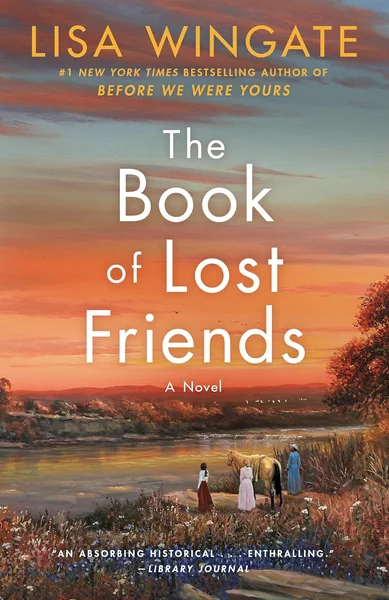
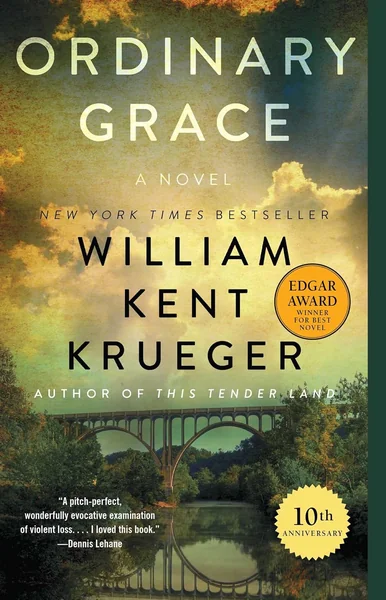
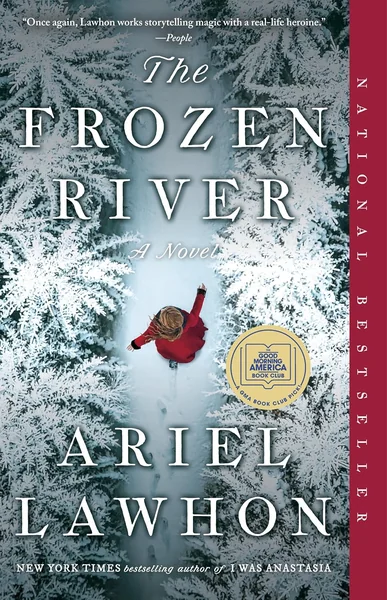
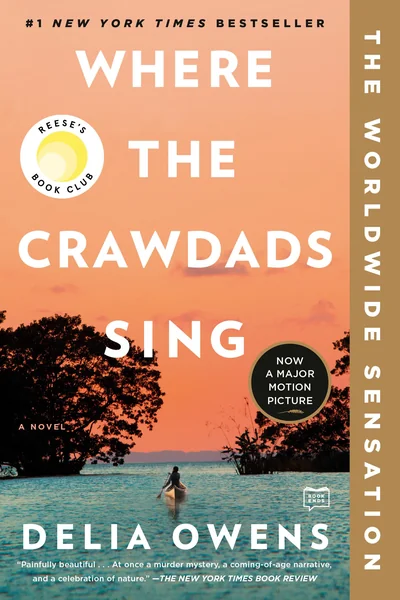
- Readers drawn to We Are All Welcome Here for its blend of intimate domestic drama and American historical setting will find several kindred titles on the shelf below. Lisa Wingate's The Book of Lost Friends similarly uses a richly specific historical moment to illuminate overlooked lives, while William Kent Krueger's Ordinary Grace shares the device of a young narrator making sense of adult tragedy in a charged 1960s American summer. Delia Owens's Where the Crawdads Sing offers another story of a resilient woman surviving on her own terms in the mid-twentieth-century American South. Ariel Lawhon's The Frozen River rounds out the grouping for readers who want another female-centered historical narrative driven by a woman of fierce determination.
- Who should read this?
- We Are All Welcome Here is best suited to readers who want character-driven, emotionally accessible historical fiction focused on the texture of daily survival rather than a panoramic account of a historical moment. Berg's established readership — drawn to humane, empathetic prose and strong female characters — will feel at home in the Dunn household. Book clubs will find the novel especially generative, given its publisher's reading guide and the range of discussion points it raises around Diana's coming-of-age, Paige's choices, and the civil rights backdrop. Readers who want a gritty, ambivalent, or historically comprehensive treatment of 1964 Mississippi should look elsewhere.
- About Elizabeth Berg
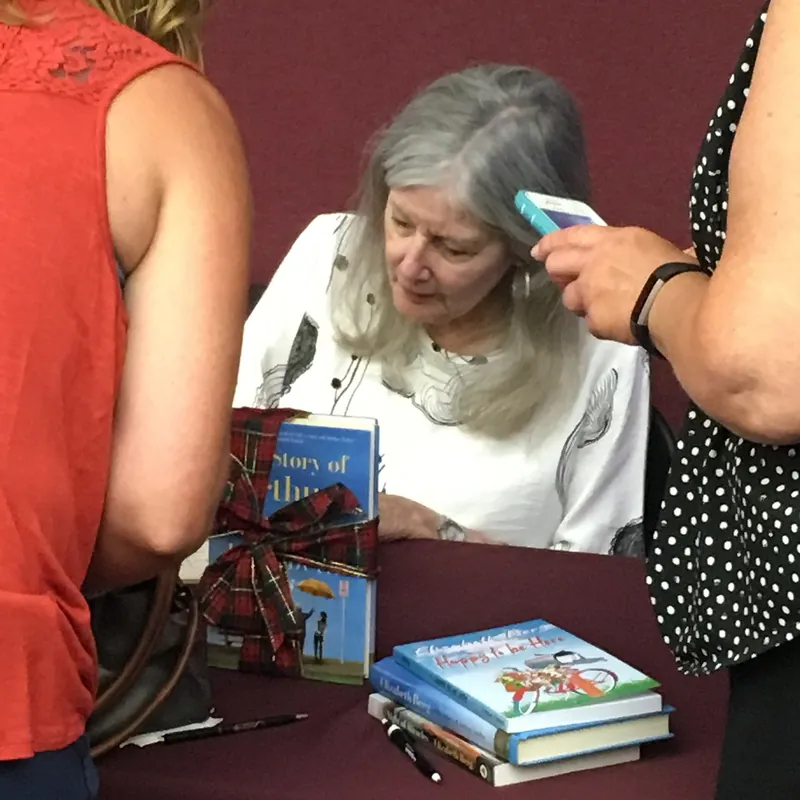
- Elizabeth Berg is an American novelist and former registered nurse.
- What are the main themes?
- At its core, We Are All Welcome Here explores resilience and maternal determination — specifically, how dignity is maintained not despite limitation but alongside it. The novel pairs this intimate domestic focus with the wider theme of freedom: Paige, Diana, and Peacie are each fighting for her own version of autonomy against the backdrop of the 1964 civil rights Summer of Freedom in Mississippi. Through LaRue's politicization and imprisonment, the novel also examines how personal and political struggles become inseparable, even for those — like thirteen-year-old Diana — who don't yet fully understand the historical moment they're living through.
- Is it a good book club pick?
- We Are All Welcome Here is a strong book club selection, and the publisher has produced a dedicated reading guide to support group discussion. The guide poses pointed questions about Diana's coming-of-age, Paige's choices and sacrifices, the significance of characters' names, and whether money can truly buy happiness — a question the novel puts directly on the page. The story's two distinct registers (intimate domestic survival and the civil rights summer of 1964) also give groups the opportunity to discuss the novel's historical ambitions alongside its personal drama. The tension Kirkus Reviews identifies — between the novel's warmth and the gravity of its material — is itself a productive discussion point.
Summarize this book
Follow up
Synthesized from verified book data & published reviews · How we review
Press Enter to ask. Answers come from our editorial Q&A — start typing to see related questions.
Age & Reading Level
Recommended age
Adult
Reading level
Adult
3 content notes · who it suits
Content to know about
Skip if you want a gritty, historically comprehensive reckoning with the violence and stakes of the 1964 civil rights movement in Mississippi.
Our Review
What the Novel Is and What It Covers
Historical Setting and Thematic Stakes
Berg's Strengths as a Storyteller
Where the Novel Falls Short
Who This Novel Is For
Sources & Further Reading
The key facts and claims in this review are grounded in the retrieved, verified sources listed below.
- Cited in this review
- 1
popmatters.com
- 2
- 3
kirkusreviews.com
- Further reading
- 4
Elizabeth Berg, Wikipedia
- 5
publishersweekly.com
- 6
elizabeth-berg.net
- 7
penguinrandomhouse.com
- 8
barnesandnoble.com
Books like We Are All Welcome Here
Curated picks for readers who enjoyed We Are All Welcome Here, with our reasoning for each match.
If you liked We Are All Welcome Here