Our reviews
127 fiction books we've reviewed, each with who it's for, who should skip it and every source we used.
127 reviews match
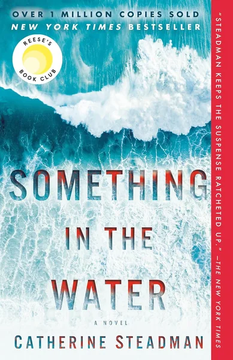
Catherine Steadman
Best for: Readers who love fast-paced domestic psychological thrillers — particularly fans of Ruth Ware, Paula Hawkins, or Gillian Flynn — and anyone looking for a morally charged book club pick with a genuinely debatable "what would you do?" premise at its centre.
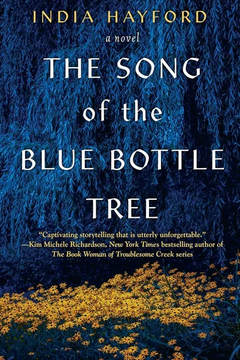
India Hayford
Best for: Readers who love literary Southern Gothic — particularly fans of Delia Owens or Barbara Kingsolver — and want a debut rooted in genuine place-knowledge, folk magic, and a protagonist whose entire life has been lived outside conventional belonging.
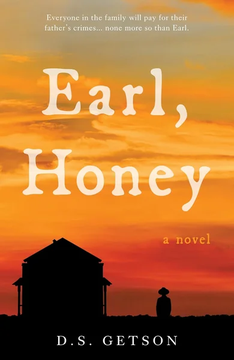
D S Getson
Best for: Readers drawn to Southern Gothic coming-of-age fiction who want a historically grounded story of family trauma, redemption, and moral weight — particularly those who respond to prose-driven narratives rooted in real events rather than genre invention.
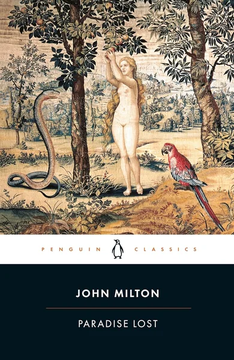
John Milton
Best for: Students, first-time readers seeking scholarly support, and returning readers who want to engage seriously with one of the greatest and most demanding poems in the English language — particularly in this Penguin Classics edition with John Leonard's editorial introduction and apparatus.
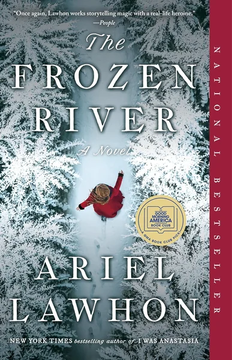
Ariel Lawhon
Best for: Readers drawn to women's history and early American life who want a historically grounded mystery anchored by a quietly formidable protagonist — particularly those who enjoy fiction built on real documented lives and legal-social stakes.
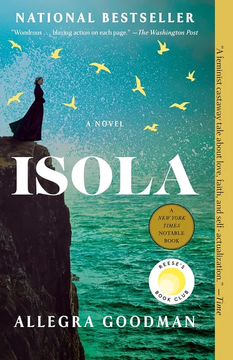
Allegra Goodman
Best for: Readers of literary historical fiction who are drawn to feminist survival narratives, single-protagonist interiority, and stories of largely forgotten women reclaimed from history — particularly those who enjoy Reese's Book Club selections with genuine literary depth.
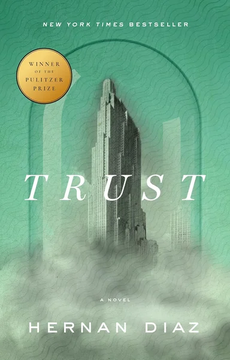
Hernan Diaz
Best for: Readers drawn to metafiction and novels that interrogate narrative form itself — particularly those fascinated by how extreme wealth, capital, and power shape (and distort) historical record.
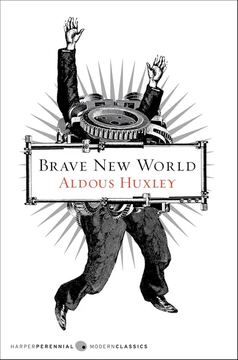
Aldous Huxley
Best for: Readers drawn to novels of ideas — particularly those curious about how dystopian fiction interrogates freedom, technology, and social control — who want to understand the canonical counterpart to Orwell's Nineteen Eighty-Four.
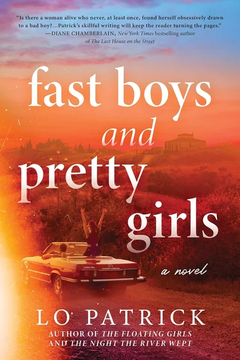
Lo Patrick
Best for: Readers of literary Southern fiction who want a mystery used as a scaffold for excavating character and memory — specifically those drawn to psychologically dense, dual-timeline narratives about first love, family wounds, and the weight of the past set in a vividly atmospheric North Georgia landscape.
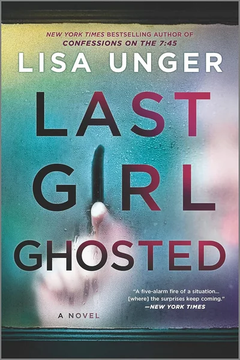
Lisa Unger
Best for: Readers drawn to first-person psychological thrillers where the narrator is as much a mystery as the central suspect, particularly those who find the anonymity of online dating culture genuinely unsettling.
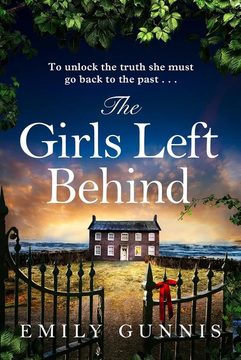
Emily Gunnis
Best for: Readers who enjoy character-driven British crime fiction with a strong historical dimension — particularly those drawn to stories of institutional injustice, wronged women, and multi-generational mystery, and who already love Emily Gunnis's debut, The Girl in the Letter.
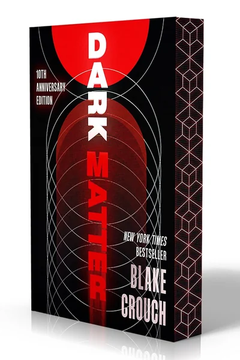
Blake Crouch
Best for: Readers who enjoy fast-paced speculative thrillers that use a high-concept science fiction premise — here, the many-worlds interpretation of quantum mechanics — as the engine for an emotionally grounded story about identity, regret, and the love of a specific family.
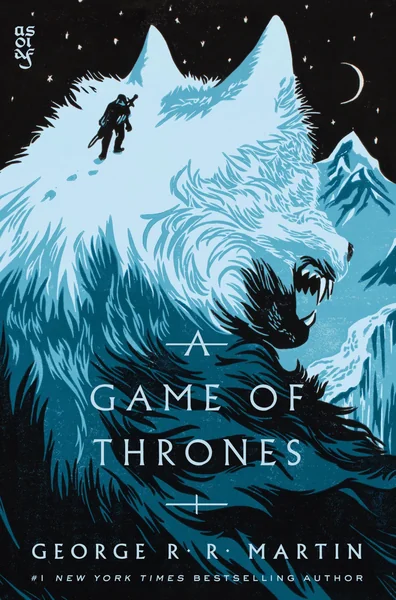
George R. R. Martin
Best for: Readers who relish densely plotted political fiction with a cast of morally compromised characters, high stakes across multiple storylines, and a willingness to see genre conventions upended — particularly those who can commit to a long, as-yet-unfinished series.
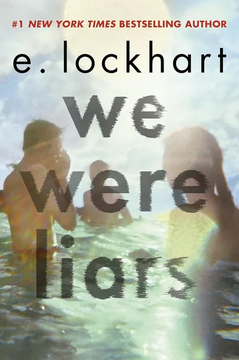
E. Lockhart
Best for: Readers aged roughly 14 and up who enjoy psychological mystery and morally complex family drama, and who are willing to surrender to an unreliable, fragmented narrator in exchange for a twist that reframes everything they've read.
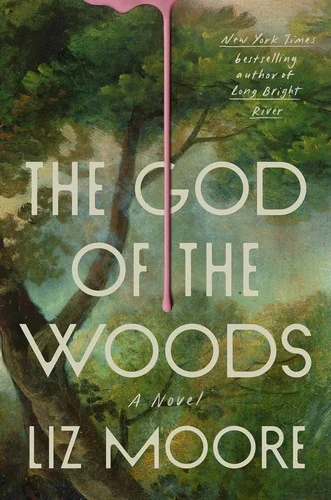
Liz Moore
Best for: Readers who want their crime fiction to carry the weight of a family saga and social novel — particularly those drawn to multi-timeline, ensemble-cast stories where class dynamics, parental failure, and community trauma matter as much as the mystery itself.
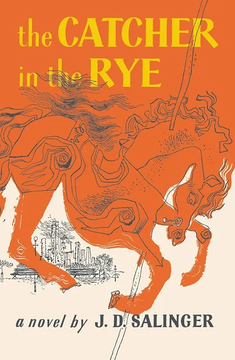
J. D. Salinger
Best for: Readers drawn to confessional, first-person narration and psychologically complex protagonists who want to understand why Holden Caulfield became a defining icon of adolescent alienation in American literature.
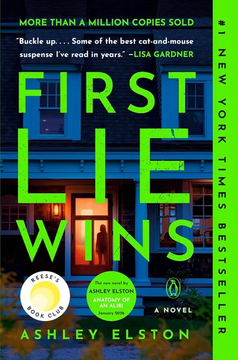
Ashley Elston
Best for: Thriller readers who relish con-artist and identity-swap narratives, tolerate — even enjoy — non-linear timelines and sustained disorientation, and treat an unexpected twist as the reward rather than the problem.
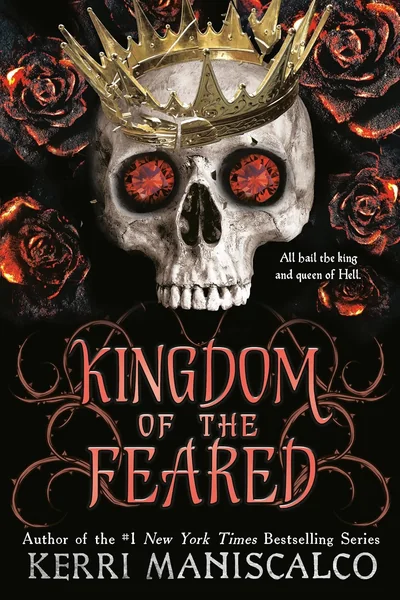
Kerri Maniscalco
Best for: Readers who have followed Emilia and Wrath across the full Kingdom of the Wicked trilogy and want a dark, Hell-set romantasy finale that pays off the enemies-to-lovers arc with twists, supernatural intrigue, and mature emotional stakes.
Mary Kubica
Best for: Readers drawn to domestic suspense built around dual-timeline architecture and the slow unravelling of a marriage's hidden secrets — particularly those who enjoy unreliable narrators and dramatic irony driven by a widening gap between what the reader knows and what the grieving protagonist can yet see.
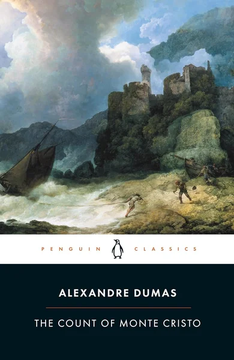
Alexandre Dumas
Best for: Readers with an appetite for grand-scale adventure fiction who want the complete, unabridged experience of Dumas's intricate revenge plot — particularly those drawn to morally complex protagonists, nineteenth-century French history, and long-form narratives that reward patience.
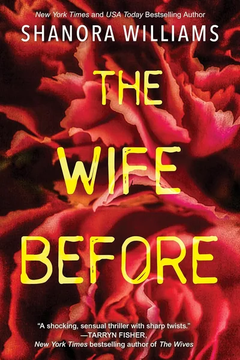
Shanora Williams
Best for: Readers who love emotionally intense, fast-moving domestic thrillers built around dark relationship dynamics, glamorous secrets, and genuinely shocking twists — particularly fans of Colleen Hoover's Verity looking for their next obsession.
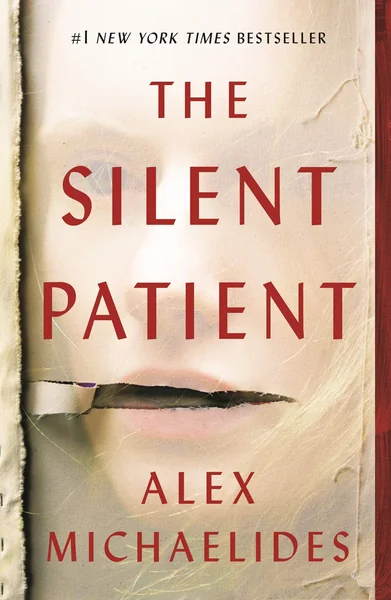
Alex Michaelides
Best for: Readers who love twist-driven psychological thrillers in the Agatha Christie tradition and want a fast-paced, structurally ingenious debut that carries genuine thematic weight — silence, trauma, and the ethics of therapy — alongside its propulsive plot.
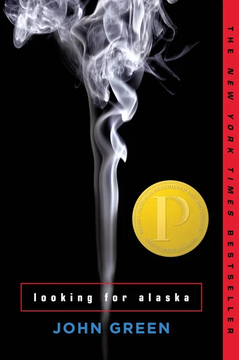
John Green
Best for: Readers aged 16 and up who want young adult fiction that takes adolescent grief, moral ambiguity, and philosophical inquiry as seriously as adult literary fiction — particularly those drawn to structurally inventive storytelling and John Green's wider body of work.
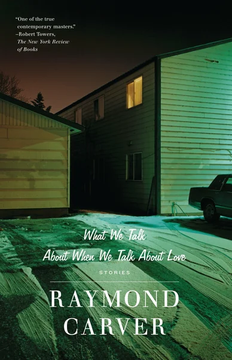
Raymond Carver
Best for: Readers already drawn to American literary minimalism, the working-class realist tradition, or Carver's wider body of work who want to engage with the collection that first established his reputation and remains a touchstone of the short story form.
