Our reviews
89 fiction books we've reviewed, each with who it's for, who should skip it and every source we used.
89 reviews match
Katherine Paterson
Best for: Readers aged nine and up — particularly those drawn to character-driven stories about friendship, imagination, and emotional resilience — who are ready to encounter a frank, deeply felt treatment of childhood grief and loss.
V.E. Schwab
Best for: Readers who love lyrical, emotionally patient fantasy — particularly fans of The Time Traveler's Wife or Life After Life — who are drawn to a centuries-spanning premise that doubles as a meditation on women's erasure from history.
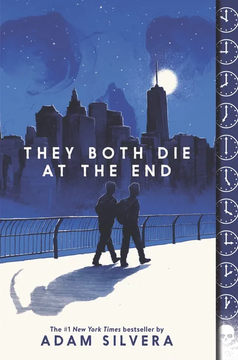
Adam Silvera
Best for: Readers aged 13 and up who want a character-driven YA romance that uses a high-concept speculative premise — a company that predicts the day you'll die — as a vehicle for emotionally precise exploration of mortality, identity, and LGBTQ+ love.
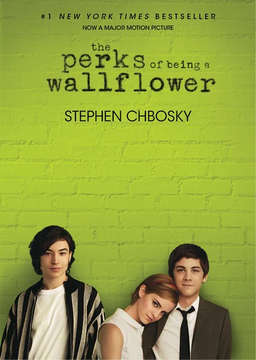
Stephen Chbosky
Best for: Teenage readers — and the adults who remember being one — who want an unflinching, emotionally precise coming-of-age story about loneliness, friendship, trauma, and the first moments of feeling truly understood.
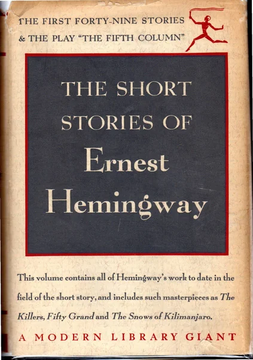
Ernest Hemingway
Best for: General readers and students who want a single, durable Modern Library hardcover gathering Hemingway's most celebrated short fiction — from the Nick Adams cycle to "Hills Like White Elephants" — without the critical apparatus of a scholarly edition.
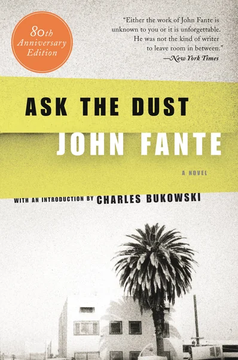
John Fante
Best for: Serious readers of American fiction who are drawn to the literature of place — Los Angeles in particular — or to the tradition of autobiographical modernism and raw, self-lacerating confessional prose.
Matt Haig
Best for: Readers navigating depression, burnout, or a sense of paths not taken who want an emotionally accessible speculative novel that literalises regret and the case for living — without demanding hard SF rigour or tonal darkness.
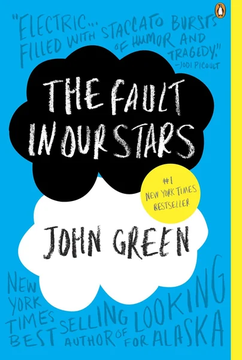
John Green
Best for: Readers aged 14 and up — and well beyond — who want a love story that takes mortality seriously, written with sharp wit and genuine literary intelligence rather than sentimental softening.
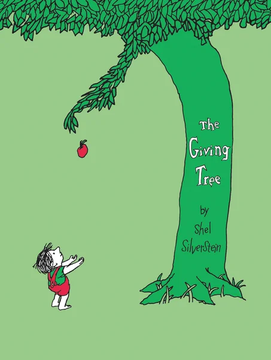
Shel Silverstein
Best for: Parents, caregivers, and educators who want a picture book that sparks genuine, open-ended conversation about generosity, relationships, and what it means to give — and who are comfortable sitting with ambiguity rather than a tidy moral resolution.
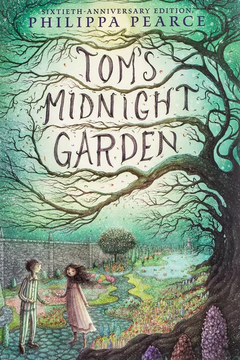
Philippa Pearce
Best for: Children aged eight to twelve — and the adults and educators who share books with them — who are drawn to emotionally precise, atmospherically rich fantasy and have the patience for a mystery that unfolds through accumulation rather than action.
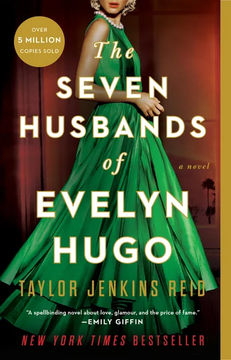
Taylor Jenkins Reid
Best for: Readers who love morally complex, plot-driven historical fiction with LGBTQ+ themes and a glamorous Old Hollywood setting — particularly those who enjoy compulsive, binge-worthy narratives built around a charismatic, deeply secretive protagonist.
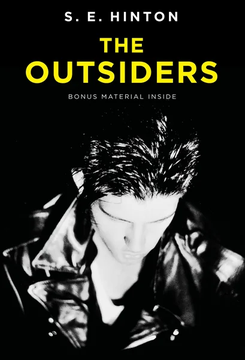
S. E. Hinton
Best for: Middle- and high-school readers — and adults revisiting their school years — who want a short, emotionally honest coming-of-age story about class, loyalty, and identity that still feels urgent decades after it was written.
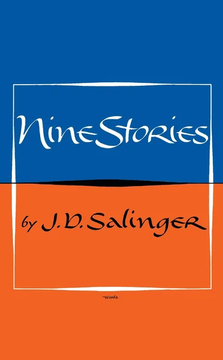
J. D. Salinger
Best for: Readers with a taste for precise, emotionally charged short fiction who are willing to sit with ambiguity — especially those tracing the arc of Salinger's work or approaching the Glass family for the first time.
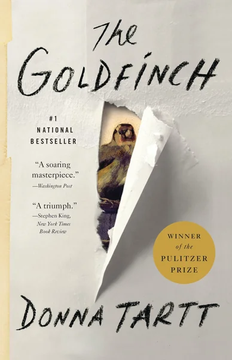
Donna Tartt
Best for: Readers drawn to large-canvas, nineteenth-century-style literary fiction who want a novel that weaves art history, grief, friendship, and moral ambiguity across an expansive, immersively plotted narrative.
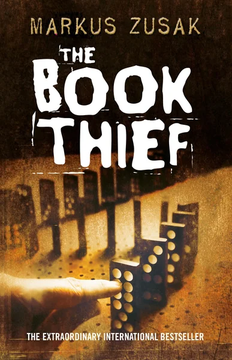
Markus Zusak
Best for: Readers — teen or adult — who want a WWII story told from an unusual, philosophically rich vantage point and are prepared for a deliberately paced, emotionally demanding novel that argues for the redemptive power of words as much as it documents the horrors of war.
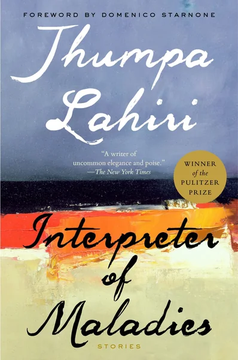
Jhumpa Lahiri
Best for: Readers drawn to psychologically precise literary short fiction who want to understand the inner life of displacement — particularly the experience of Indian and Indian American immigrants navigating cultural identity, grief, and belonging.
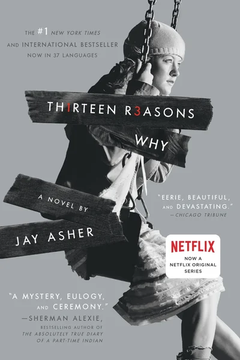
Jay Asher
Best for: Teenage readers and educators looking for a structurally inventive, conversation-starting novel about the ripple effects of social cruelty, bullying, and indifference on a young person's life — best approached with a discussion framework in place.
