Our reviews
1,017 books, each with who it's for, who should skip it, reading level and content notes, and every source we used.
202 reviews match
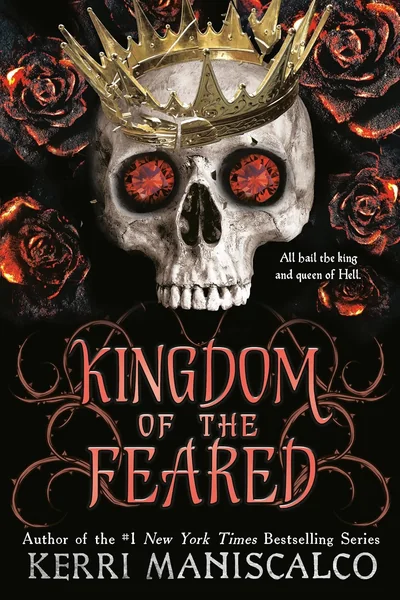
Kerri Maniscalco
Best for: Readers who have followed Emilia and Wrath across the full Kingdom of the Wicked trilogy and want a dark, Hell-set romantasy finale that pays off the enemies-to-lovers arc with twists, supernatural intrigue, and mature emotional stakes.
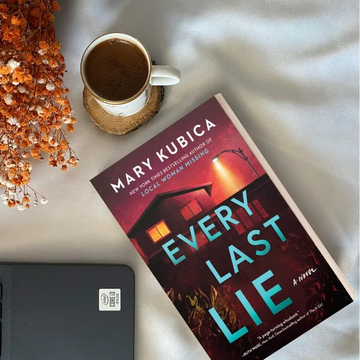
Mary Kubica
Best for: Readers drawn to domestic suspense built around dual-timeline architecture and the slow unravelling of a marriage's hidden secrets — particularly those who enjoy unreliable narrators and dramatic irony driven by a widening gap between what the reader knows and what the grieving protagonist can yet see.
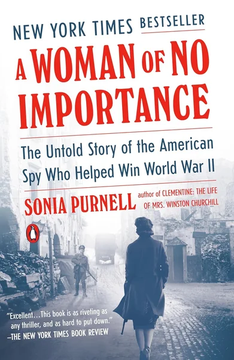
Sonia Purnell
Best for: Readers of narrative nonfiction and WWII history who want a rigorously sourced, argument-driven biography that restores a systematically overlooked operative — Virginia Hall — to her rightful place in the front rank of the war's protagonists.
Kristin Hannah
Best for: Readers of emotionally driven women's fiction who are drawn to a mystery-threaded family drama and will find the psychological rehabilitation of a traumatised feral child — rendered without conventional dialogue — more compelling than a conventional romance.
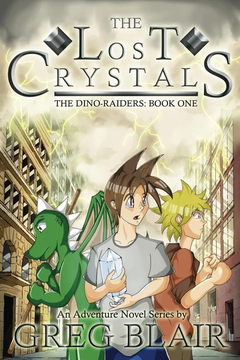
Greg Blair
Best for: Middle-school readers (roughly ages 10–13) who are new to adventure fiction and want a fast-moving, high-concept story that mixes time travel with dinosaur encounters.
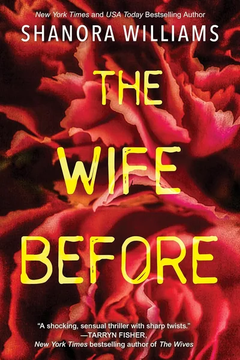
Shanora Williams
Best for: Readers who love emotionally intense, fast-moving domestic thrillers built around dark relationship dynamics, glamorous secrets, and genuinely shocking twists — particularly fans of Colleen Hoover's Verity looking for their next obsession.
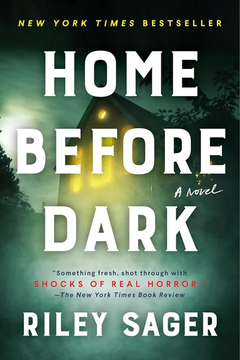
Riley Sager
Best for: Fans of atmospheric psychological horror — particularly readers who enjoy a strong mystery puzzle layered beneath the scares, and who relish haunted-house stories in the tradition of The Amityville Horror and The Haunting of Hill House.
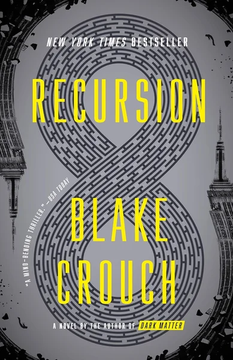
Blake Crouch
Best for: Readers who want high-concept science fiction anchored in genuine emotional stakes — particularly those drawn to grief, memory, and identity explored through a tightly engineered thriller framework with a dual-protagonist structure.
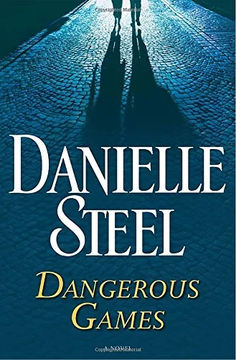
Danielle Steel
Best for: Readers who want a fast-moving, dual-genre story that pairs a political corruption investigation with a slow-burn romance, and who are happy to trade procedural depth for narrative velocity and international scope.
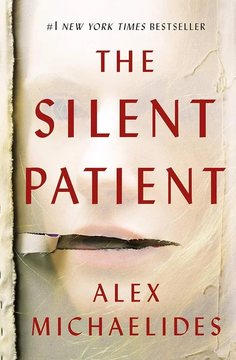
Alex Michaelides
Best for: Readers who love tightly engineered psychological thrillers with a dual narrative structure, a locked-room mystery built around a single electrifying silence, and a climactic twist designed to reframe everything that came before.
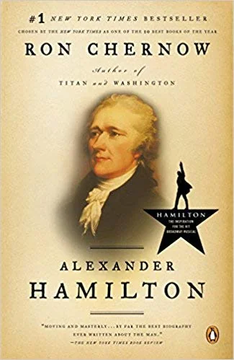
Ron Chernow
Best for: Readers — whether students of American history, fans of the Broadway musical seeking the primary source, or anyone curious about how the United States' financial and governmental architecture came to be — who want the most comprehensive, rigorously researched account of Hamilton's life and era available.
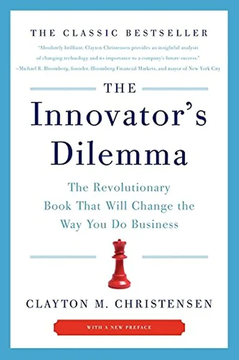
Clayton M. Christensen
Best for: Managers at established companies and entrepreneurs in strategy or leadership roles who need a rigorous conceptual framework for understanding why dominant firms are structurally vulnerable to disruption — and how challengers can exploit that vulnerability.
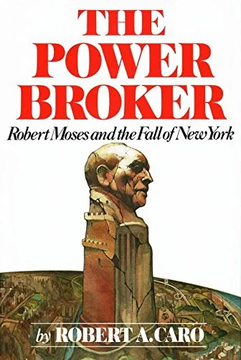
Robert A. Caro
Best for: Readers with a serious appetite for political history, urban studies, or biography who want to understand how institutional power is actually built and abused — and who are prepared to commit to a 1,280-page deep dive into twentieth-century American governance.
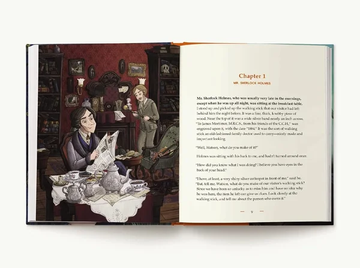
Arthur Conan Doyle
Best for: Young mystery lovers aged 8–11 who are ready for genuine suspense and puzzle-driven plotting but are not yet equipped — or not yet motivated — to tackle unabridged Victorian prose, and for parents or teachers wanting to introduce Sherlock Holmes in a structured, illustrated chapter-book format.
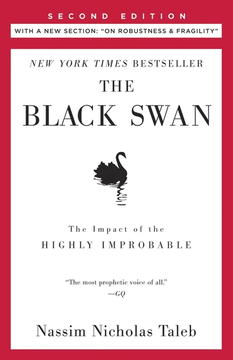
Nassim Nicholas Taleb
Best for: Readers in finance, risk management, or policy who want a rigorous yet readable challenge to conventional prediction-based thinking and expert overconfidence.
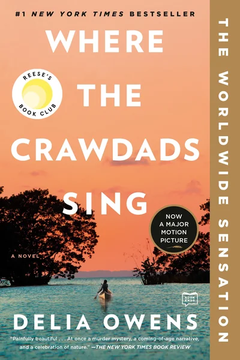
Delia Owens
Best for: Readers who love immersive sense-of-place fiction and want a cross-genre story that blends survival, romance, and courtroom mystery — especially those drawn to the natural world and emotionally resonant coming-of-age narratives.
Ransom Riggs
Best for: YA readers drawn to atmosphere and formal novelty — particularly those who respond to eerie visual storytelling and are happy to let world-building and a genuinely original conceit carry the weight of the narrative.
William L. Shirer
Best for: General readers seeking a single, comprehensive, deeply primary-sourced narrative of the Nazi era — particularly those coming to the subject without a background in professional historiography.
Edward S. Herman and Noam Chomsky
Best for: Serious readers of political economy, media studies, or journalism who want a rigorous, evidence-grounded framework for understanding how corporate and state interests structurally shape mainstream news coverage.
Jane Jensen
Best for: Readers who prioritise ideas over character warmth and are drawn to ambitious speculative fiction that fuses Holocaust history, Kabbalistic mysticism, Torah-code scholarship, and multiverse physics into a single conceptual framework — the audience that already gravitates toward Philip K. Dick or early Neal Stephenson.
J.B. Priestley
Best for: Students tackling the play as a GCSE or IGCSE set text, and general readers seeking a compact, high-stakes theatrical argument about class, responsibility, and moral complicity that can be absorbed in a single sitting.
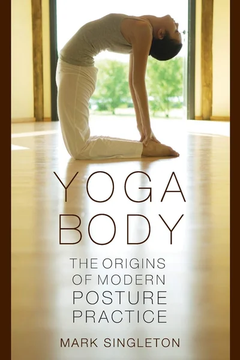
Mark Singleton
Best for: Scholars, historians, and serious yoga practitioners who want a rigorously documented, interdisciplinary account of how modern postural yoga actually emerged — and are prepared to have its claimed ancient lineage challenged head-on.
Jonathan Haidt
Best for: Readers genuinely curious about why political and religious opponents believe what they do — particularly those with an interest in social psychology, moral philosophy, or political science who want a rigorously argued, research-backed explanation rather than a polemic.
Barbara W. Tuchman
Best for: Readers curious about the origins of the First World War who want a single, authoritative volume that combines rigorous military and diplomatic history with vivid character portraiture of the statesmen and commanders who stumbled into catastrophe in August 1914.
