Our reviews
1,017 books, each with who it's for, who should skip it, reading level and content notes, and every source we used.
152 reviews match
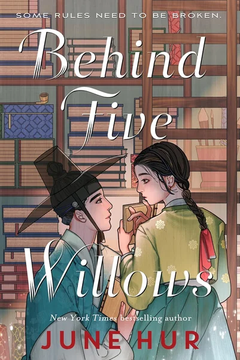
June Hur
Best for: Readers who love Austen-style slow-burn romance and are drawn to stories where the act of reading itself becomes an act of rebellion — especially those curious about Joseon Korea or who enjoy the emotional texture of K-drama storytelling.
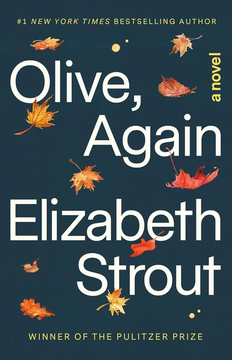
Elizabeth Strout
Best for: Readers who loved Olive Kitteridge and want to follow its prickly, deeply human protagonist into late life through Strout's precise, plainspoken prose and mosaic storytelling.
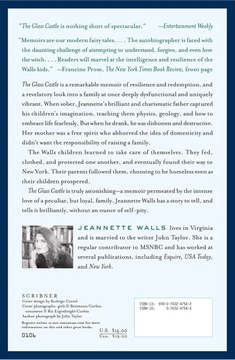
Jeannette Walls
Best for: Readers drawn to unsentimental American memoirs about poverty, family dysfunction, and hard-won self-determination — particularly those who want emotional complexity over tidy moral resolution.
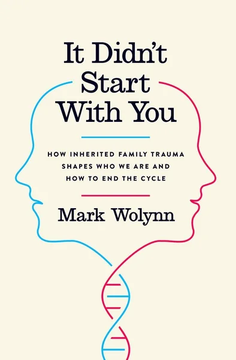
Mark Wolynn
Best for: Readers experiencing persistent depression, anxiety, phobias, or physical symptoms that feel disproportionate to their own life history and who are open to exploring whether unresolved ancestral trauma — mapped through a structured, named methodology — might be a contributing factor.
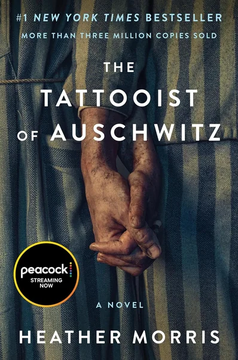
Heather Morris
Best for: Readers drawn to emotionally direct Holocaust fiction centred on human endurance and love who want a narrative grounded in real personal testimony — specifically the account of Auschwitz survivor Lale Sokolov — rather than a scholarly or documentary reconstruction of the camps.
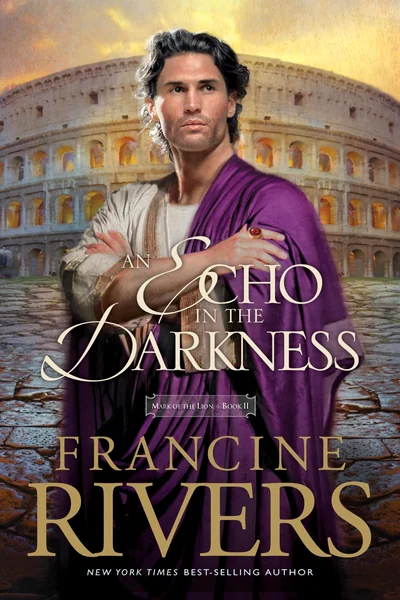
Francine Rivers
Best for: Readers already invested in Francine Rivers's Mark of the Lion trilogy who want Christian historical fiction that explores faith, forgiveness, and early Roman persecution with genuine moral complexity rather than easy resolution.
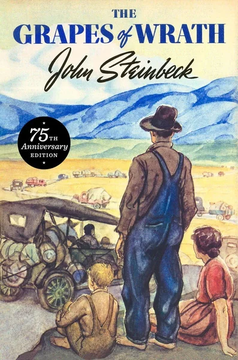
John Steinbeck
Best for: Readers who want to own a presentation-quality hardcover of one of the most decorated novels in American literature — particularly those drawn to the commemorative design of Elmer Hader's original cover art and Michael Schwab's endpapers — as well as first-time readers approaching the Joads' story of Dust Bowl dispossession for the first time.
Fyodor Dostoevsky
Best for: Readers drawn to psychological fiction and moral philosophy who want the most critically endorsed English-language text of Dostoevsky's 1866 masterwork — particularly those in academic or serious literary reading contexts.
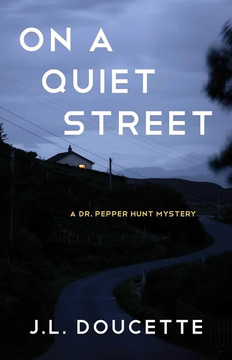
J.L. Doucette
Best for: Readers who enjoy psychologically grounded crime fiction in the tradition of Ann Cleeves and Louise Penny, and who want a series they can follow in order through a distinctive Wyoming setting with leads who have genuine interiority.
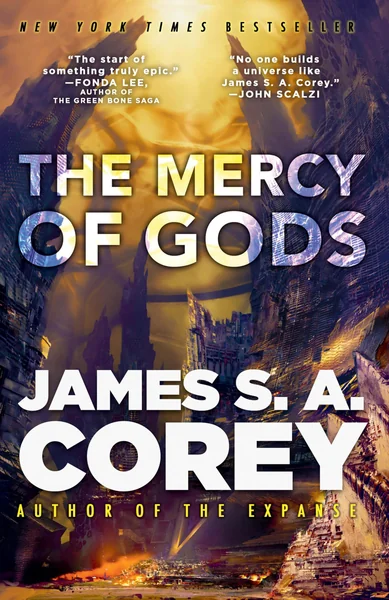
James S. A. Corey
Best for: Readers who want a character-anchored space opera that interrogates power, survival, and what makes us human — especially those drawn to ensemble drama set against genuinely alien, world-scale stakes.
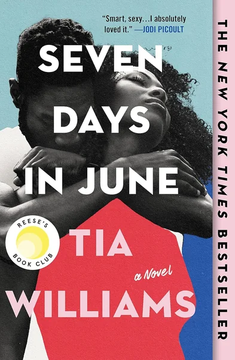
Tia Williams
Best for: Readers who want romance fiction with genuine literary ambition — particularly those drawn to explorations of Black creative life in Brooklyn, chronic illness, and intergenerational trauma alongside a deeply felt second-chance love story.
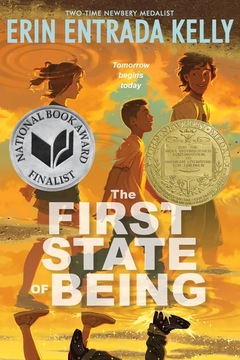
Erin Entrada Kelly
Best for: Middle-grade readers aged ten and up — especially those who loved Hello, Universe — who want a high-concept time-travel story that puts friendship, found family, and emotional self-discovery front and centre.
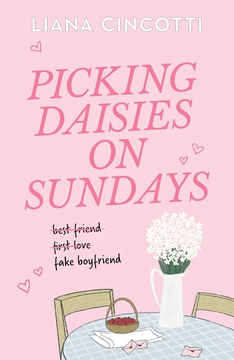
Liana Cincotti
Best for: Readers in their late teens or twenties who love emotionally earnest new-adult romance and want a single novel that layers second-chance, fake-dating, and friends-to-lovers tropes around two protagonists with genuine shared history.
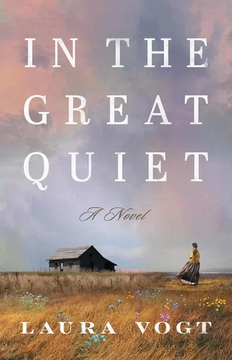
Laura Vogt
Best for: Readers of literary historical fiction who want a slow, immersive, place-driven story about a woman's inner transformation — specifically those drawn to atmospheric prose, psychological interiority, and the complex social landscape of the American frontier.
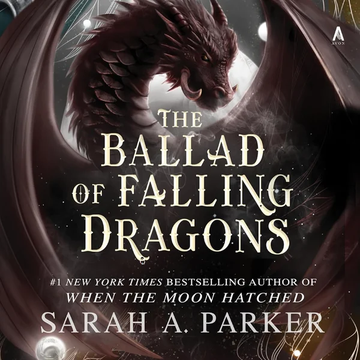
Sarah A. Parker
Best for: Readers already invested in the Moonfall duology — particularly fans of dark romantasy with serious stakes, grief-laden central relationships, and intricate world-building — who are ready to see Kaan and Raeve's story through to its conclusion.
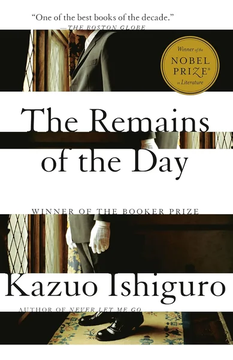
Kazuo Ishiguro
Best for: Readers who relish literary fiction of the highest formal ambition — particularly those drawn to unreliable narrators, understated prose, and novels that use one man's emotional self-deception to illuminate questions of class, duty, and political complicity in twentieth-century England.
Carlo Rovelli
Best for: Readers drawn to science writing that takes genuine literary and philosophical risk — particularly those who have enjoyed Rovelli's Seven Brief Lessons on Physics and want a longer, deeper reckoning with a single concept, or anyone curious about how modern physics fundamentally undermines our intuitive sense of time.
Benjamin Labatut
Best for: Readers drawn to meditative, formally unconventional literary fiction — particularly those interested in the moral and psychological costs of scientific discovery — who are comfortable with a Sebaldian blend of documented history and invented interiority.
Jaycee Dugard
Best for: Readers drawn to survivor memoirs and the psychology of resilience under extreme conditions — particularly those who followed Dugard's case through news coverage and want the interiority, continuity, and systemic accountability that reporting could never provide.
Cindy Pham
Best for: Readers aged 14 and up who want a structurally ambitious, emotionally serious Sapphic fairy-tale retelling and are comfortable with shifting timelines, grief, mental health themes, and queer and nonbinary representation woven into the core cast.
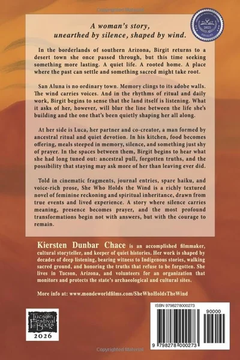
Kiersten Dunbar Chace
Best for: Readers with a genuine interest in human rights, cultural archaeology, and underrepresented histories — particularly those connected to the African diaspora, Indigenous Southwestern heritage, and Saami American communities — who are drawn to author-driven work shaped by decades of documentary investigation and advocacy.
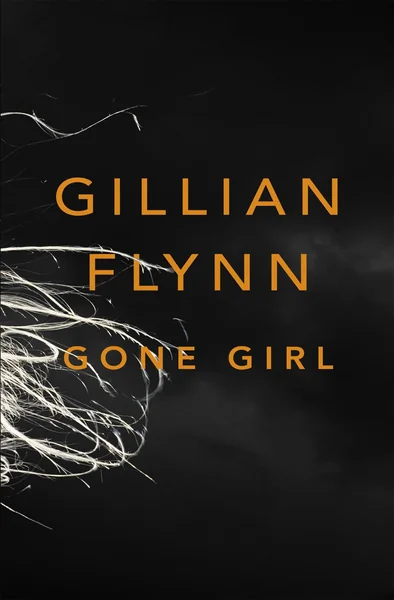
Gillian Flynn
Best for: Readers who relish psychological complexity and narrative misdirection — particularly those drawn to the tradition of Patricia Highsmith or to fiction that treats marriage as a battleground of deception and power.
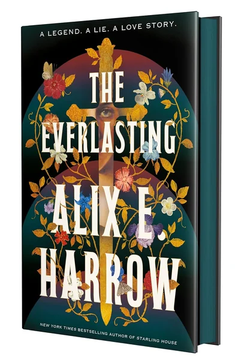
Alix E. Harrow
Best for: Readers of literary fantasy who are drawn to prose-forward, myth-interrogating fiction — particularly those who have loved Naomi Novik, V.E. Schwab, or Erin Morgenstern — and who want a formally inventive novel that asks whether quiet, chosen love can ever outweigh the grand destinies history demands.
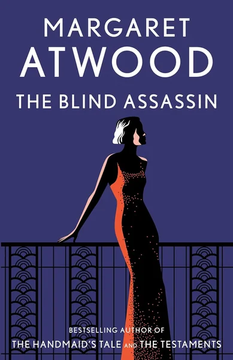
Margaret Atwood
Best for: Readers who relish formally ambitious literary fiction — nested narratives, unreliable retrospective voices, and the slow, satisfying accumulation of withheld truths — and who have an appetite for mid-century Canadian social history and stories about women navigating class, marriage, and silence.
