7 min read
4.1
· 168,837 Amazon ratingsShare This Review

Our review
Gone Girl by Gillian Flynn Review: A Masterclass in Psychological Suspense
Gone Girl is a crime thriller novel by Gillian Flynn — a New York Times bestseller that drew widespread critical acclaim for its unreliable narration, devastating plot twists, and sharp dissection of modern marriage. This review draws on content and published critical reception; it does not reflect hands-on reading or testing.
LuvemBooks Verdict
Best for
Readers who relish psychological complexity and narrative misdirection — particularly those drawn to the tradition of Patricia Highsmith or to fiction that treats marriage as a battleground of deception and power.
Worth it if
You're willing to interrogate every line of narration and stay patient through a deliberate opening act, knowing the payoff is one of the most compulsively engineered plot constructions in recent thriller fiction.
Skip if
Skip it if you prefer propulsive action from page one, need morally redemptive characters to stay invested, or find relentlessly dark portrayals of marriage and human nature alienating rather than exhilarating.
What readers & critics say
The Wikipedia article on the novel records reviewers likening Flynn to Patricia Highsmith, calling Gone Girl "wily, mercurial, subtly layered and populated by characters so well imagined that they're hard to part with." The Guardian's review site praises Flynn for having "proven that she deserves to be crowned the Queen of plot twists," noting the book generated a "hysterical buzz among the literary thriller community" that neither of her previous novels had matched.
“Flynn has proven she deserves to be crowned the Queen of plot twists — frightening, enchanting, disturbing and intriguing all at once.”
— The Guardian“Created a hysterical buzz among the literary thriller community the way Gone Girl did — no previous Flynn novel came close.”
— The GuardianAsk LuvemBooks
Was this helpful?
- Is it worth reading?
- For readers who prize psychological complexity, narrative misdirection, and deeply unsettling characters, Gone Girl is among the most essential crime thrillers of the past two decades. The Associated Press warned it is 'dangerous for any reader who prefers to savor a novel as opposed to consuming it whole in one sitting,' which speaks to its compulsive readability. The key caveat is patience with the opening act — the thriller machinery builds deliberately before fully engaging — and a tolerance for a relentlessly dark portrait of marriage that never softens.
- Similar books
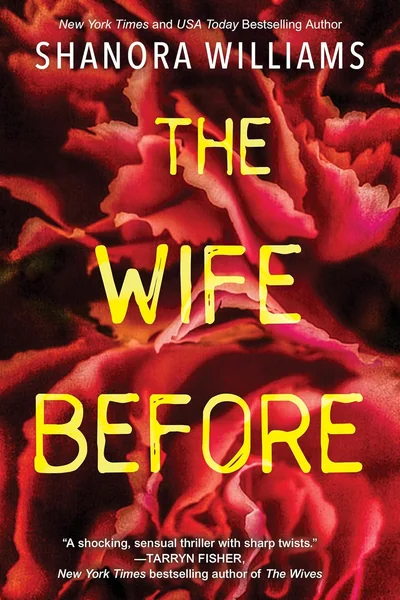
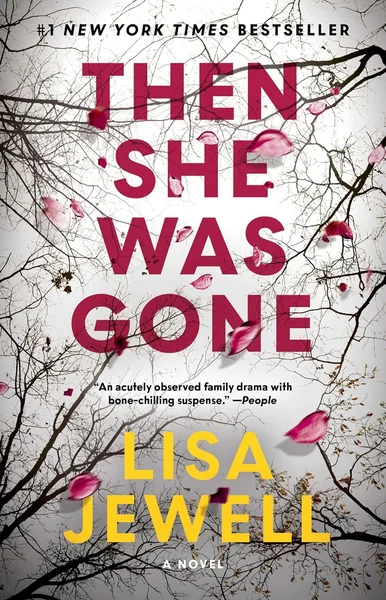
- Readers drawn to Gone Girl's psychological suspense and unreliable narrators will find strong companions in the titles curated below. The Wife Before by Shanora Williams and My Husband's Wife by Alice Feeney share Flynn's interest in marriages concealing sinister truths. Then She Was Gone by Lisa Jewell delivers a similarly compulsive, twist-driven missing-person narrative, while The Last Thing He Told Me by Laura Dave trades in the same vein of domestic secrets and escalating dread. For those who want more of Flynn's own voice, Sharp Objects — her debut — explores the same dark psychological territory, though it is not currently in the LuvemBooks catalogue.
- Who should read this?
- Gone Girl is written for adult readers who prize psychological complexity and narrative misdirection over conventional thriller plotting. It is a natural fit for those drawn to the tradition of Patricia Highsmith, or to fiction that treats marriage as a site of profound psychological warfare. Readers who want hopeful, redemptive, or fast-from-page-one fiction are advised to look elsewhere — the novel's deliberately corrosive portrait of marriage and its slow-build opening act are features, not flaws, but they are not for everyone.
- About Gillian Flynn
- Gillian Flynn is a thriller author best known for her 2012 novel Gone Girl, a psychological thriller about a marriage gone terribly wrong that became a bestseller and was adapted into a major film. The novel's unreliable narrators and shocking twists established her as a defining voice in contemporary psychological fiction.
- Tell me about the adaptation
- Gone Girl was adapted into a major film directed by David Fincher, for which Gillian Flynn herself wrote the Golden Globe-nominated screenplay — a rare degree of author involvement that ensured close fidelity to the source material's tone and structure. The adaptation extended the novel's cultural reach well beyond the page and brought its portrait of a fractured marriage and unreliable narration to a mainstream film audience. Readers curious about how the dual-narrator structure translates to screen will find the film a compelling companion piece to the novel.
- What's this book about?
- Gone Girl turns on a single electrifying question: is Nick Dunne responsible for the disappearance of his wife Amy? Flynn structures the novel through two alternating, unreliable voices — Nick recounting events in real time after Amy vanishes on their fifth wedding anniversary, and Amy through diary entries that stretch back years. Both characters are portrayed as out-of-work journalists, grounding the thriller in recognisable professional anxiety and domestic tension, while the collision of their two perspectives forms the engine of the book's relentless suspense.
- Who is it for?
- Gone Girl is for adult readers who thrive on psychological complexity, narrative misdirection, and deeply unsettling characters. It rewards those in the tradition of Patricia Highsmith — readers who enjoy fiction that uses marriage as a lens for profound psychological warfare. It is not suited to readers seeking lighter, faster-paced, or more redemptive fiction, and patience with a deliberately slow-building opening act is required.
- What are the main themes?
- Gone Girl's central themes include the psychology of marriage — specifically its capacity for deception, performance, and profound mutual harm — and the nature of narrative unreliability, since neither Nick nor Amy can be trusted as a guide to events. The novel also dissects how media and public perception shape the construction of guilt and innocence, a thread that runs through the investigation into Amy's disappearance. Critics described it as a 'masterful dissection of marital breakdown,' with the thriller plot serving as a vehicle for these deeper, darker inquiries.
- What format or source is it?
- Gone Girl is a full-length crime thriller novel, first published in 2012, available in hardcover, paperback, e-book, and audiobook formats. It was adapted into a major film directed by David Fincher, with a screenplay written by Gillian Flynn herself. LuvemBooks' assessment draws on the novel's content and published critical reception rather than hands-on reading or testing.
Summarize this book
Follow up
Synthesized from verified book data & published reviews · How we review
Press Enter to ask. Answers come from our editorial Q&A — start typing to see related questions.
Our Review
What the Novel Is — and What It Does
Cultural Impact and Critical Standing
Craft and Signature Strengths
Where the Novel Challenges Its Readers
Who Gone Girl Is For
Sources & Further Reading
The key facts and claims in this review are grounded in the retrieved, verified sources listed below.
- Cited in this review
- 1
audible.com
- Further reading
- 2
Gillian Flynn, Wikipedia
- 3
- 4
Open Library
Age & Reading Level
Recommended age
Ages 16+
Reading level
Adult
4 content notes · who it suits
Content to know about
Best for: Adults / mature 16+ — the novel's relentlessly corrosive portrait of marriage, psychologically abusive relationships, and deeply unsettling characters are intended for mature adult readers.
Skip if You're looking for hopeful, redemptive fiction or a thriller that offers moral resolution and sympathetic protagonists.
Books like Gone Girl
Curated picks for readers who enjoyed Gone Girl, with our reasoning for each match.
If you liked Gone Girl