8 min read
4.7
· 3,374 Amazon ratingsShare This Review

Our review
Crime and Punishment
Crime and Punishment by Fyodor Dostoevsky Review: A Landmark Translation of a Timeless Novel
The Pevear and Volokhonsky translation of Crime and Punishment, published by Vintage Classics, brings one of literature's most celebrated psychological novels to English-language readers in a version that critics Book World called "the best [translation] currently available" upon its first release. This review is based on published sources and the documented record of the book's content and reception, not hands-on reading.
LuvemBooks Verdict
Best for
Readers drawn to psychological fiction and moral philosophy who want the most critically endorsed English-language text of Dostoevsky's 1866 masterwork — particularly those in academic or serious literary reading contexts.
Worth it if
You're ready to engage patiently with a sustained, interior portrait of guilt and moral collapse rather than a conventional plot-driven thriller.
Skip if
You're seeking a lightly annotated or heavily footnoted scholarly edition, or are primarily after a fast-paced crime narrative rather than a slow-burn psychological and philosophical study.
What readers & critics say
Britannica calls the novel "one of the finest studies of the psychopathology of guilt written in any language," underscoring its enduring critical standing beyond genre fiction. The Iowa State Daily describes it as "one of Dostoevsky's finest novels," characterising the experience of reading him as "the most enjoyable slog imaginable" — a phrase that captures both the novel's density and its rewards.
Sources: Britannica, Iowa State DailyAsk LuvemBooks
Was this helpful?
- Is it worth reading?
- For readers willing to engage with morally serious, psychologically demanding fiction, the Pevear and Volokhonsky Vintage Classics edition is a compelling choice — vetted by major critical voices, recently revised for Dostoevsky's 200th anniversary, and widely used in university courses. The translation's stated aim of preserving the "range of voices" in the original Russian is especially relevant given how much of the novel's drama unfolds through dialogue. That said, the novel rewards patient reading rather than a casual pace; its themes of moral philosophy, psychological extremity, and spiritual redemption are developed at length and without concession.
- Similar books
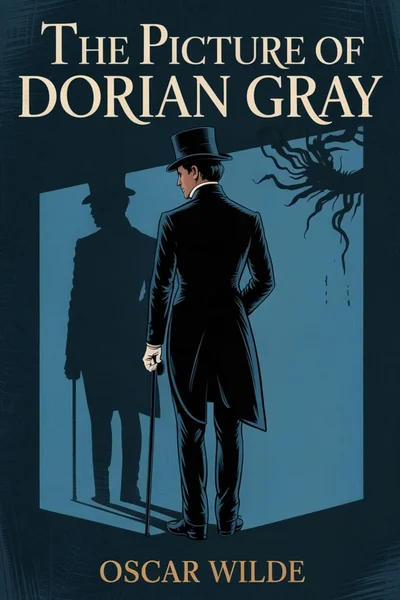
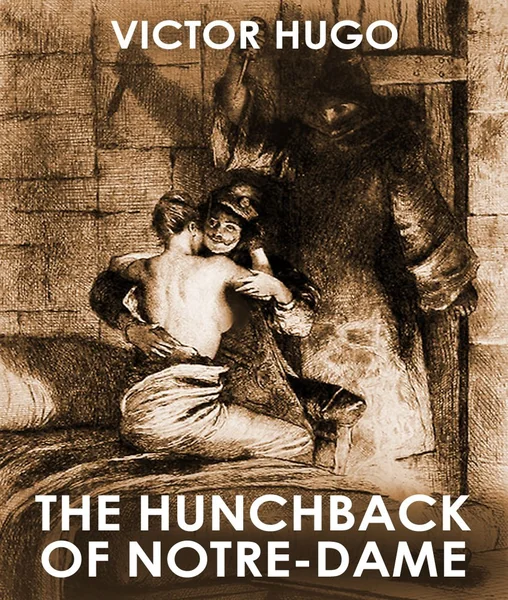
- Readers drawn to Crime and Punishment's psychological intensity and moral philosophy will find strong companions in several classics. Oscar Wilde's The Picture of Dorian Gray shares the preoccupation with a brilliant individual who transgresses moral boundaries and faces the psychological consequences. Sylvia Plath's The Bell Jar offers a comparable deep-dive into an isolated, deteriorating mind. Victor Hugo's The Hunchback of Notre Dame matches Dostoevsky's structural density and moral weight in a 19th-century European setting. For readers interested in Dostoevsky's own body of work, The Brothers Karamazov and Notes from Underground are natural next steps — the former sharing the same celebrated Pevear and Volokhonsky translation, and the latter serving as a compact precursor to many of the same existential themes.
- Who should read this?
- This edition is ideal for literary readers and university students seeking the most critically respected English-language text of the novel — the Vintage Classics paperback is widely assigned in academic contexts precisely because of the Pevear and Volokhonsky translation's prestige. It also suits readers who come to the novel through Time magazine's 100 Best Mystery and Thriller Books of All Time list and are curious about its thriller credentials, which are real but secondary to its identity as a psychological study. Readers who want extensive scholarly apparatus — footnotes, contextual essays, a detailed introduction — may find other editions better suited to that purpose.
- What are the main themes?
- The novel's central preoccupation is the psychopathology of guilt — Britannica's phrase — as Raskolnikov's theory that exceptional individuals may transgress ordinary moral law collapses against the reality of what he has done. Closely bound to this are themes of moral philosophy and the justification of evil means for humanitarian ends, psychological deterioration and isolation, the nature of suffering, and ultimately spiritual redemption. The Marmeladov family subplot deepens the novel's engagement with poverty and social degradation in 19th-century St. Petersburg, adding structural density to the moral inquiry at the core.
- Is this a good book club pick?
- Crime and Punishment is a richly rewarding book club selection for groups comfortable with philosophical and psychologically demanding fiction. The novel generates natural discussion around Raskolnikov's theory of the exceptional individual, the moral architecture of his guilt, and the dense subplot involving the Marmeladov family. Groups should plan for a longer read and expect debate rather than consensus — the novel's moral questions do not resolve neatly, which is precisely what makes them generative for discussion.
- How does this translation compare to others?
- The Pevear and Volokhonsky Vintage Classics edition holds the strongest critical endorsement among English-language translations — Book World called it "the best [translation] currently available" at its first release, and it has since been revised for Dostoevsky's 200th anniversary. The translators bring particular credibility from their PEN/Book-of-the-Month Club Prize-winning rendering of The Brothers Karamazov, and the publisher highlights their effort to preserve the "suppleness, energy, and range of voices" of the original Russian. Readers seeking a translation with dense scholarly footnotes or a detailed academic introduction may find specialist editions from university presses better suited, but for general and academic use, Pevear-Volokhonsky is widely the default.
Summarize this book
Follow up
Synthesized from verified book data & published reviews · How we review
What would you like to know about Crime and Punishment?
Answers come from our editorial notes on this book. If we haven't covered something, we'll say so.
Readers often ask
Our Review
What the Novel Contains and Argues
The Novel's Place in Literature and History
The Pevear and Volokhonsky Translation

Strengths and What the Edition Offers
Who This Edition Is For and Where It Has Limits
Sources & Further Reading
The key facts and claims in this review are grounded in the retrieved, verified sources listed below.
- Cited in this review
- 1
theclassicjournal.org
- 2
parnassusbooks.net
- 3
en.wikipedia.org
- Further reading
- 4
en.wikipedia.org
- 5
- 6
greenlightbookstore.com
- 7
shelflifebooksrva.com
- 8
mcnallyjackson.com
- 9
cavalierhousebooks.com
- 10
- 11
- 12
Age & Reading Level
Recommended age
Ages 16+
Reading level
Adult
4 content notes · who it suits
Content to know about
Best for: Adults / mature 16+ — the novel's sustained depictions of murder, guilt-driven psychological collapse, and themes of moral nihilism suit mature readers.
Skip if you want a fast-paced plot-driven thriller or are seeking an uplifting reading experience.
Reader reviews
Be one of the first readers to answer.
Read it? Was it right for you?
Books like Crime and Punishment
Curated picks for readers who enjoyed Crime and Punishment, with our reasoning for each match.
If you liked Crime and Punishment