Our reviews
1,017 books, each with who it's for, who should skip it, reading level and content notes, and every source we used.
409 reviews match
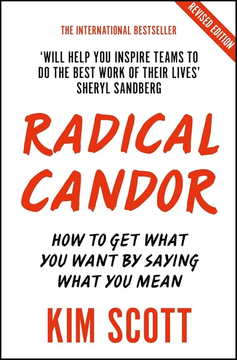
Kim Scott
Best for: Managers and team leads — especially those stepping into leadership roles for the first time — who want a concrete, nameable framework for giving and receiving honest feedback without sacrificing genuine care for the people they lead.
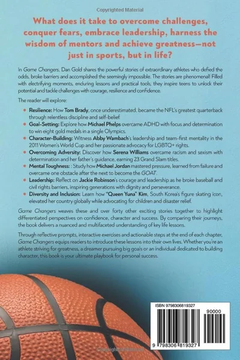
Dan Gold
Best for: Teens navigating self-doubt and big goals — and the parents or educators looking for a structured, sports-grounded resource to spark those conversations — who want inspiration backed by practical reflection exercises rather than deep sports journalism.
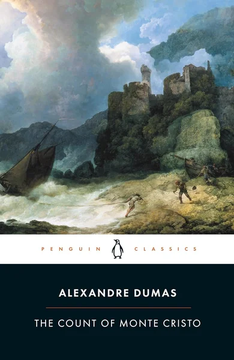
Alexandre Dumas
Best for: Readers with an appetite for grand-scale adventure fiction who want the complete, unabridged experience of Dumas's intricate revenge plot — particularly those drawn to morally complex protagonists, nineteenth-century French history, and long-form narratives that reward patience.
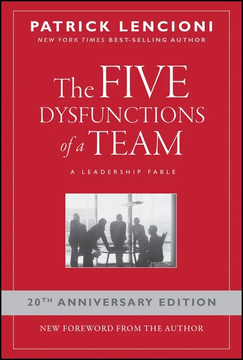
Patrick M. Lencioni
Best for: Executives, managers, and team leads who want a fast, absorbing introduction to team dysfunction that doubles as a practical intervention tool — especially those stepping into a new leadership role and confronting a team that is underperforming, resistant, or fragmented.
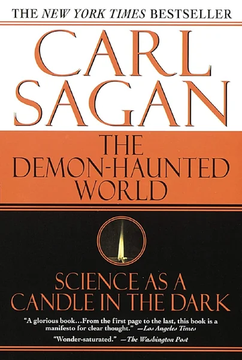
Carl Sagan
Best for: General readers — especially those without a scientific background — who want a clear, story-driven explanation of how science works and why skeptical thinking matters for everyday civic life.
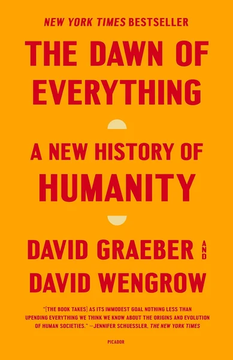
David Graeber
Best for: Intellectually engaged general readers, students, and scholars in history, anthropology, archaeology, or political theory who want a rigorous, evidence-based challenge to the deterministic storylines advanced by Harari, Pinker, Diamond, and their peers.
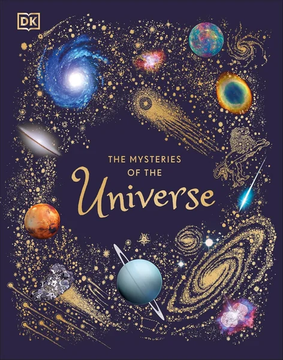
Will Gater
Best for: Children aged 6–8 with a budding interest in space who need a richly visual, accessible first reference that works equally well as a family read-aloud and as an independent browse.

Tess Han
Best for: Readers at an early or exploratory stage of self-compassion work who respond better to warm, emotionally direct encouragement than to clinical or research-heavy frameworks, and anyone seeking a low-barrier, giftable wellness journal.
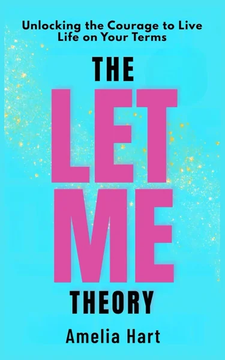
Amelia Hart
Best for: Readers who recognise a chronic pattern of deference, people-pleasing, or filtering choices through others' expectations, and want a structured, coaching-style framework — rather than a motivational pep talk — to move toward greater self-permission and boundary-setting.
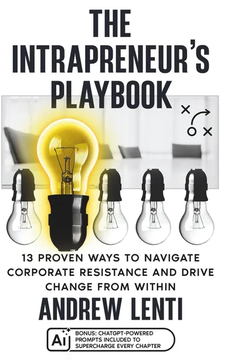
Andrew Lenti
Best for: Mid-to-senior professionals — project leads, department heads, and internal change agents — already embedded in large or complex organizations who need actionable strategies for pushing innovation initiatives past institutional resistance.
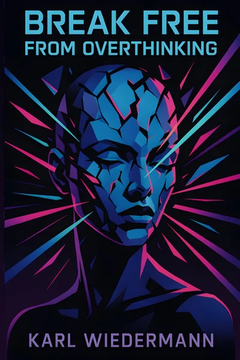
Karl Wiedermann
Best for: Adults at the beginning or middle of their self-help journey who recognise themselves in cycles of rumination, emotional over-reactivity, and difficult interpersonal dynamics, and want a concise, immediately actionable framework for interrupting those patterns.
Kristin Hannah
Best for: Readers of emotionally driven women's fiction who are drawn to a mystery-threaded family drama and will find the psychological rehabilitation of a traumatised feral child — rendered without conventional dialogue — more compelling than a conventional romance.
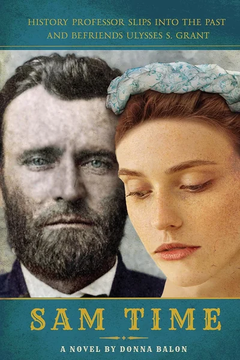
Donna Balon
Best for: Readers who love historical fiction and time-travel fantasy in equal measure — especially those with a pre-existing interest in the Civil War era, Ulysses S. Grant's life, or Victorian social history who want imaginative storytelling anchored in documented fact.
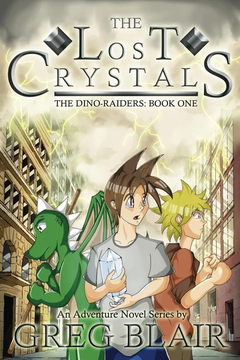
Greg Blair
Best for: Middle-school readers (roughly ages 10–13) who are new to adventure fiction and want a fast-moving, high-concept story that mixes time travel with dinosaur encounters.
Brianna Wiest
Best for: Readers at a genuine inflection point — navigating a career change, recovering from a loss, or feeling their daily life has drifted from their values — who thrive with structured, incremental support and respond well to emotionally direct, motivational language.
Liz Elting
Best for: Current and aspiring entrepreneurs, professionals weighing a founding leap, and business students who want a first-person, action-oriented account of scaling a company from an NYU dorm room to billion-dollar global enterprise.
Nick Trenton
Best for: Readers at the beginning or middle of their anxiety-management journey who recognise themselves in chronic mental loops and want a structured, numbered toolkit of actionable techniques rather than a philosophical or clinical text.
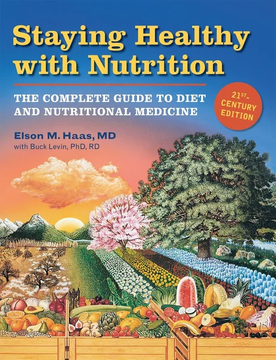
Elson M. Haas, Buck Levin
Best for: Integrative medicine practitioners, nutritional therapy students, and serious health researchers who need a single, systematically organised reference spanning macronutrient science, global dietary traditions, environmental health hazards, and condition-specific clinical protocols.
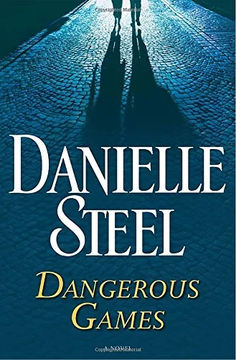
Danielle Steel
Best for: Readers who want a fast-moving, dual-genre story that pairs a political corruption investigation with a slow-burn romance, and who are happy to trade procedural depth for narrative velocity and international scope.
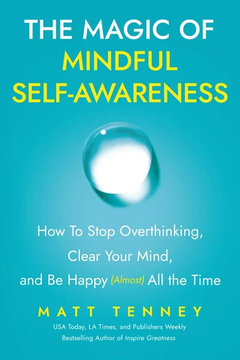
Matt Tenney
Best for: Beginners dealing with chronic overthinking or stress who want a structured, low-barrier introduction to mindful self-awareness — grounded in an author's lived journey from incarceration and monastic practice to corporate consulting — rather than a research-heavy or philosophically advanced treatment.
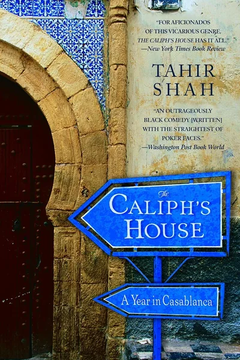
Tahir Shah
Best for: Readers who enjoy fish-out-of-water expatriate memoirs — particularly fans of Peter Mayle or Frances Mayes — and who are open to a story where Moroccan jinn lore and folkloric belief are treated as seriously as bricks and mortar.
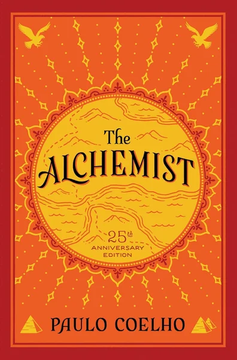
Paulo Coelho
Best for: Readers at a crossroads — those questioning whether they have honoured their own ambitions, or younger readers encountering big questions of purpose and destiny for the first time — who want a story that addresses those themes directly, without requiring theological or philosophical background.
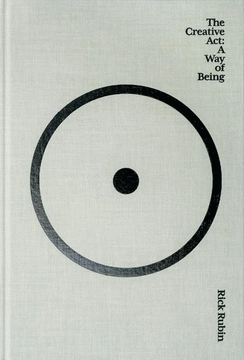
Rick Rubin
Best for: Creatives at any stage — writers, musicians, designers, developers — who want a philosophical companion to return to repeatedly for renewed perspective on what it means to live and work as an artist.
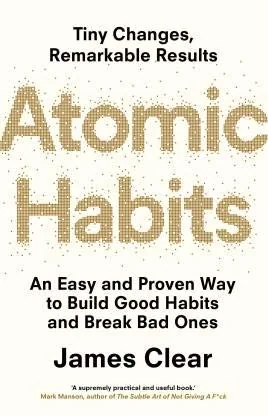
James Clear
Best for: Readers who want a single, repeatable framework for building good habits and breaking bad ones — particularly those who have tried willpower-based approaches and found them unsustainable.
