8 min read
4.6
· 14,800 Amazon ratingsShare This Review
The Five Dysfunctions of a Team by Patrick M. Lencioni Review: A Landmark Business Fable Still Resonating
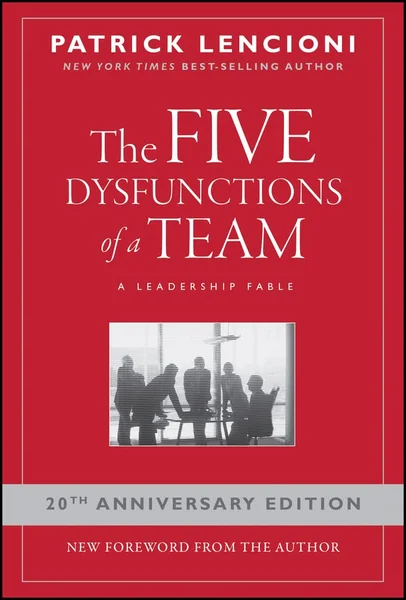
Patrick M. Lencioni's The Five Dysfunctions of a Team — now celebrated in a 20th Anniversary Edition published by Jossey-Bass — remains one of the most enduring and widely adopted frameworks for understanding why teams fail and how leaders can fix them, delivered through a narrative fable that makes abstract organizational theory unusually accessible to real-world executives and managers.
LuvemBooks Verdict
Best for
Executives, managers, and team leads who want a fast, absorbing introduction to team dysfunction that doubles as a practical intervention tool — especially those stepping into a new leadership role and confronting a team that is underperforming, resistant, or fragmented.
Worth it if
You want a clear diagnostic vocabulary and a structured, sequenced framework for addressing team breakdown, and you value an engaging narrative vehicle that makes the model immediately applicable at leadership off-sites, team retreats, or in collective reads.
Skip if
You need empirically rigorous, peer-reviewed analysis of organisational psychology — the model is rooted in consulting observation rather than academic research, and the small executive-team setting of the fable may demand significant interpretive work for leaders of large, distributed, or non-corporate organisations.
What readers & critics say
Wiley's product page carries endorsements from two CEOs — Richard Carr of TEC International calling it "as compelling, readable and practical as his other books," and Jean Kovacs of Commergent Technologies describing it as likely to become "another business classic." BulkBookStore reports it is one of the most frequently requested titles by businesses, nonprofits, and other organisations seeking to examine their team dynamics, underscoring two decades of broad institutional adoption.
Sources: Wiley, Grounded Curiosity, ResearchGateAsk LuvemBooks
Was this helpful?
- Is it worth reading?
- For executives, managers, and team leads seeking a fast, absorbing introduction to team dysfunction that doubles as a practical intervention tool, The Five Dysfunctions of a Team is widely considered essential reading — a New York Times bestseller that its publisher describes as one of the best-selling business books of all time. Executives including Richard Carr, president and CEO of TEC International, have called it 'as compelling, readable and practical as his other books,' and the framework's durability across industries, company sizes, and organizational types over two decades speaks to its genuine utility. The caveat is equally clear: readers who require peer-reviewed empirical grounding or dense data-driven analysis will find the consulting-derived fable format frustrating, and the small-executive-team setting of DecisionTech demands interpretive adaptation for leaders of large, distributed, or non-corporate organizations.
- Similar books
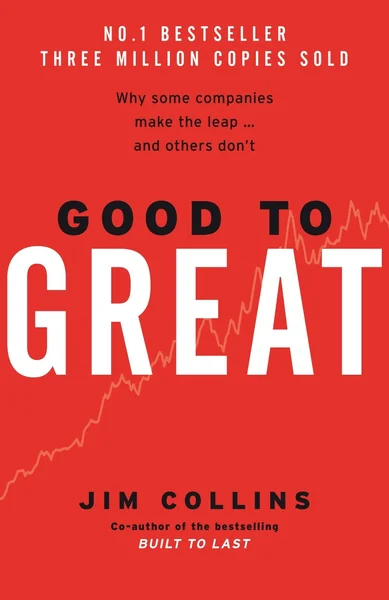
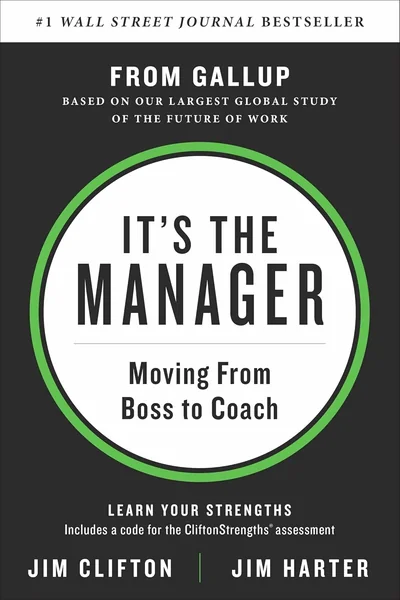
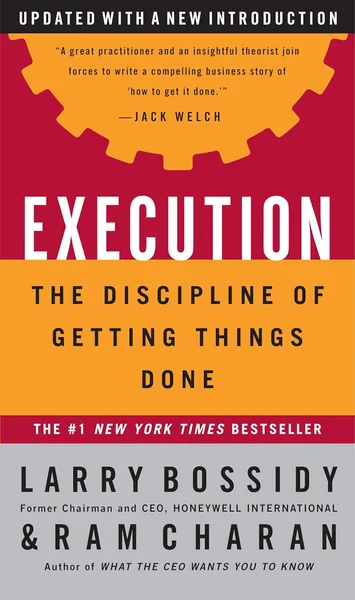
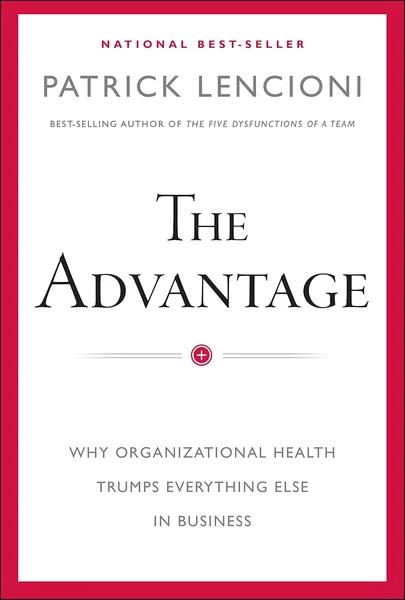
- Readers who find value in The Five Dysfunctions of a Team often gravitate toward other foundational business leadership texts. Lencioni's own The Advantage digs deeper into organizational health as a strategic imperative, making it a natural next step for those who want to extend the framework. Jim Collins' Good to Great examines what separates enduring high-performing companies from the rest, while Kim Scott's Radical Candor offers a practical model for the kind of direct communication that Lencioni's trust-and-conflict dysfunctions point toward. Larry Bossidy, Ram Charan, and Charles Burck's Execution and Jim Clifton and Jim Harter's It's the Manager round out the field with complementary perspectives on organizational performance and people management.
- Who should read this?
- The Five Dysfunctions of a Team is designed primarily for executives, managers, and team leads who want a fast, absorbing introduction to team dysfunction that doubles as a practical intervention tool — particularly those stepping into a leadership role and confronting a team that is underperforming, resistant, or fragmented. Its dual fable-plus-handbook structure makes it effective both as a solo read and as a shared text for leadership off-sites or team retreats, and its institutional adoption across businesses, nonprofits, and a wide range of organizational types confirms its broad professional relevance. Readers who prefer dense, peer-reviewed, data-driven analysis, or those leading very large and distributed organizations without a small executive-team structure like DecisionTech's, will need to calibrate their expectations accordingly.
- About Patrick M. Lencioni
- Patrick Lencioni is an American author of books on business management, particularly in relation to team management.
- How does this compare to The Advantage?
- Both The Five Dysfunctions of a Team and The Advantage address organizational health and team performance, but they operate at different levels and in different formats. The Five Dysfunctions of a Team uses a leadership fable centered on Kathryn Petersen and DecisionTech to dramatize the five root causes of team breakdown, pairing the story with a practical diagnostic model. The Advantage takes a broader strategic view, arguing that organizational health is the single greatest competitive advantage a company can have — making it a natural progression for readers who want to extend Lencioni's team-level thinking to the organization as a whole.
- What are the book's limitations?
- The book's most consistent point of friction is that it lacks peer-reviewed empirical grounding — the five-dysfunction model is built on Lencioni's consulting observations rather than academic research, which can frustrate leaders who prefer data-driven, evidence-based organizational psychology. Additionally, because the fable is set in DecisionTech, a technology company with a small senior executive team, readers leading very large, distributed, or non-corporate organizations may find they need to do significant interpretive work to apply the framework to their specific contexts. Some practitioners also note that the model's elegance can feel reductive when teams face structural or systemic problems that don't fit neatly into the five categories.
- Is this a good team or book club pick?
- The Five Dysfunctions of a Team is particularly well suited for use as a shared text within a leadership team or at a professional off-site or retreat, and this is in fact one of the primary ways it has been adopted over two decades — bulk book retailers consistently report it among the most frequently requested titles by businesses and nonprofits buying copies collectively. The fable format makes it fast enough for a group to read in advance, and the model-and-guide section in the back provides a ready-made discussion and action framework. For a traditional social book club, it is less obviously the right fit, but for any group of colleagues grappling with team dysfunction, it functions almost as a facilitation tool.
Summarize this book
Follow up
Synthesized from verified book data & published reviews · How we review
Press Enter to ask. Answers come from our editorial Q&A — start typing to see related questions.
Age & Reading Level
Recommended age
Adult
Reading level
Adult
who it suits
Skip if you're looking for data-driven, peer-reviewed organizational research rather than a consulting-derived leadership fable
Our Review
What the Book Is and What It Actually Contains
Significance and Place in the Genre
What the Book Does Well
Genuine Limitations and Who May Be Frustrated
Who This Book Is Genuinely For
Sources & Further Reading
The key facts and claims in this review are grounded in the retrieved, verified sources listed below.
- Cited in this review
- 1
- 2
- 3
- Further reading
- 4
Patrick M. Lencioni, Wikipedia
- 5
- 6
Books like The Five Dysfunctions of a Team
Curated picks for readers who enjoyed The Five Dysfunctions of a Team, with our reasoning for each match.
If you liked The Five Dysfunctions of a Team