Our reviews
1,017 books, each with who it's for, who should skip it, reading level and content notes, and every source we used.
1,017 reviews
Ruta Sepetys
Best for: Readers aged 12 and up who are drawn to character-driven war fiction, particularly those wanting to discover a historically overlooked catastrophe — the sinking of the MV Wilhelm Gustloff — through intimate, multi-perspective storytelling.
Sarah A. Parker
Best for: Readers already invested in the Moonfall duology — particularly fans of dark romantasy with serious stakes, grief-laden central relationships, and intricate world-building — who are ready to see Kaan and Raeve's story through to its conclusion.
Eckhart Tolle
Best for: Readers already familiar with Tolle's presence-based philosophy from The Power of Now who want a contemplative companion text built for slow, non-linear, meditative engagement rather than cover-to-cover reading.
Jeffrey M. Schwartz
Best for: Adults living with OCD who want a structured, neuroscience-grounded self-directed program — particularly those who have found medication alone insufficient or who face barriers to formal clinical treatment.
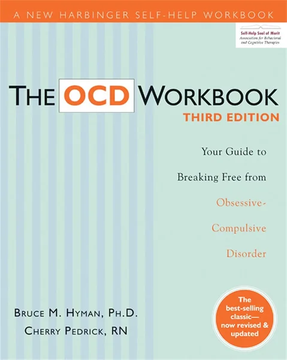
Bruce M. Hyman, Cherlene Pedrick
Best for: Motivated adults living with OCD — or on the OCD spectrum, including BDD and trichotillomania — who want a structured, clinically grounded workbook to use either independently or alongside a therapist.
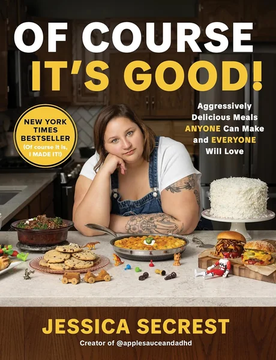
Jessica Secrest
Best for: Busy home cooks — parents, beginners, and budget-conscious weeknight warriors — who want a no-fuss, encouraging companion that makes affordable comfort food genuinely reproducible without any gatekeeping.
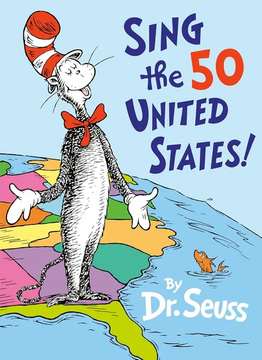
Dr. Seuss
Best for: Young children aged 4–8 learning the fifty states for the first time, Seuss collectors drawn to a genuine manuscript discovery, and families looking for a read-aloud tied to America's 250th anniversary.
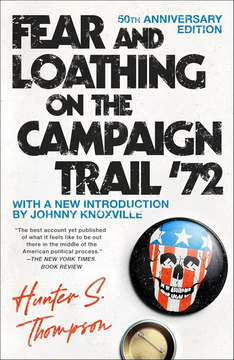
Hunter S. Thompson
Best for: Readers drawn to American political history, literary journalism, or Hunter S. Thompson's career who want to understand the 1972 presidential race through the most viscerally immersive — if deliberately unorthodox — account ever written about it.
Matthew Perry
Best for: Fans of Friends who want to understand the man behind Chandler Bing, and readers drawn to addiction narratives told with raw honesty rather than tidy resolution.
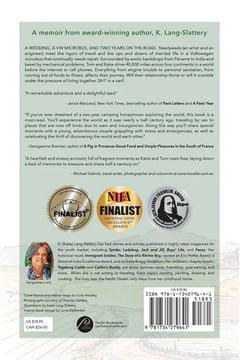
K. Lang-Slattery
Best for: Readers drawn to immersive, relationship-driven travel memoir who are curious about the logistical and emotional realities of long-distance van travel in a pre-internet, pre-GPS world.
Kazuo Ishiguro
Best for: Readers who relish literary fiction of the highest formal ambition — particularly those drawn to unreliable narrators, understated prose, and novels that use one man's emotional self-deception to illuminate questions of class, duty, and political complicity in twentieth-century England.
Carlo Rovelli
Best for: Readers drawn to science writing that takes genuine literary and philosophical risk — particularly those who have enjoyed Rovelli's Seven Brief Lessons on Physics and want a longer, deeper reckoning with a single concept, or anyone curious about how modern physics fundamentally undermines our intuitive sense of time.
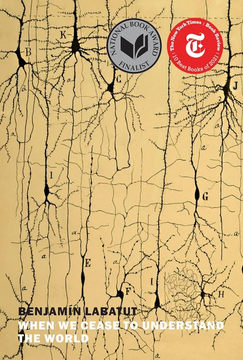
Benjamin Labatut
Best for: Readers drawn to meditative, formally unconventional literary fiction — particularly those interested in the moral and psychological costs of scientific discovery — who are comfortable with a Sebaldian blend of documented history and invented interiority.
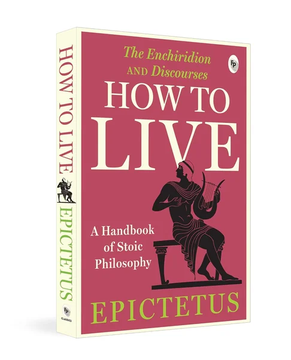
Epictetus
Best for: Readers new to Stoic philosophy who want a single, practical volume containing both of Epictetus's surviving primary texts — the Discourses and The Enchiridion — without requiring any prior philosophical background.
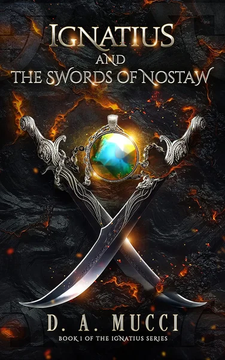
D. A. Mucci
Best for: Younger readers and portal-fantasy enthusiasts who enjoy watching a relatable, underdog hero discover and earn mastery of a richly built world alongside them — and who are happy to commit to a five-book series journey.
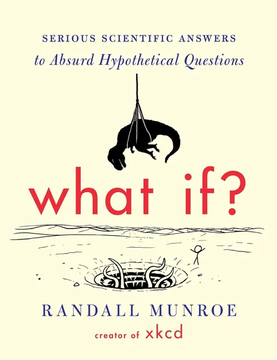
Randall Munroe
Best for: Curious general readers and science enthusiasts — especially fans of xkcd or anyone who wants to see what genuine scientific thinking looks like when applied without restraint to gloriously absurd premises.
Jaycee Dugard
Best for: Readers drawn to survivor memoirs and the psychology of resilience under extreme conditions — particularly those who followed Dugard's case through news coverage and want the interiority, continuity, and systemic accountability that reporting could never provide.
Cindy Pham
Best for: Readers aged 14 and up who want a structurally ambitious, emotionally serious Sapphic fairy-tale retelling and are comfortable with shifting timelines, grief, mental health themes, and queer and nonbinary representation woven into the core cast.
Bill Bryson
Best for: Curious adult general readers who want an entertaining, panoramic introduction to human biology — covering everything from the microbiome to the cardiovascular system — without needing a scientific background.
David Eagleman
Best for: Curious general readers who want an accessible, momentum-driven introduction to the idea that conscious selfhood is far smaller than we assume — and who are open to following those implications into questions of law and moral responsibility.
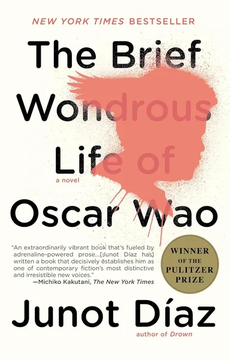
Junot Díaz
Best for: Readers drawn to multigenerational immigrant fiction who want a formally ambitious novel — one that blends Dominican-American history, geek-culture allusion, code-switching prose, and footnoted political catastrophe into a single, emotionally raw family saga.
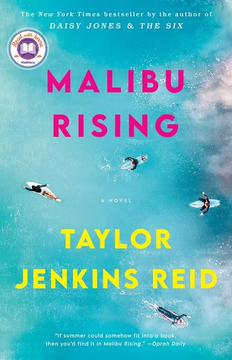
Taylor Jenkins Reid
Best for: Readers who love propulsive, atmosphere-soaked fiction about family legacy — particularly fans of multigenerational drama who want a novel equally at home on the beach and in a book club discussion.
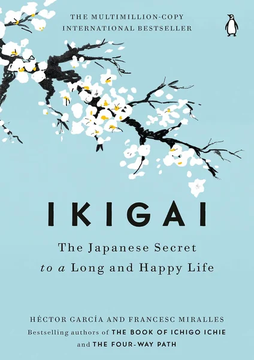
Héctor García, Francesc Miralles
Best for: Readers curious about Japanese philosophy and longevity who want an accessible, inspiration-first introduction to ikigai, Blue Zone research, and the Okinawan approach to purpose, diet, movement, and community — without needing a background in academic wellness literature.
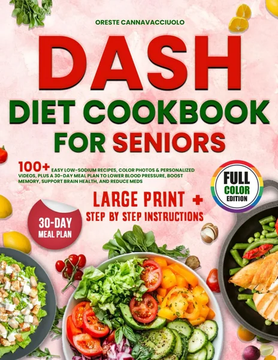
Oreste Cannavacciuolo
Best for: Seniors — or their caregivers — who are new to DASH-style eating, managing hypertension or age-related cognitive concerns, and want a single structured resource that combines a 30-day meal plan, color photography, and supplementary video instruction without needing to piece a programme together themselves.
