8 min read
4.6
· 2,423 Amazon ratingsShare This Review

Our review
Brain Lock, Twentieth Anniversary Edition
Brain Lock, Twentieth Anniversary Edition by Jeffrey M. Schwartz Review: A Landmark OCD Self-Help Classic, Revisited
This twentieth anniversary edition of Brain Lock by Jeffrey M. Schwartz, M.D., published by Harper Perennial in December 2016, brings back the definitive self-directed behavioral therapy guide for OCD — updated with new material — that has helped more than 400,000 people address obsessive-compulsive behavior. This review covers the book's content, structure, and published reception; it does not reflect hands-on clinical use or testing of the method.


 Tap to enlarge
LuvemBooks Verdict
Best for
Adults living with OCD who want a structured, neuroscience-grounded self-directed program — particularly those who have found medication alone insufficient or who face barriers to formal clinical treatment.
Worth it if
Worth reading if you or someone you care about is managing OCD and wants a step-by-step cognitive-behavioral framework backed by neuroplasticity research and adopted in academic treatment centers worldwide.
Skip if
Skip it if you're looking for a broad guide to anxiety or related disorders beyond OCD, or if you already own the original edition and the addition of new author reflections alone isn't enough to justify a revisit.
What readers & critics say
A review at useyourdamnskills.com situates Schwartz's core intervention — redirecting attention away from compulsions for at least fifteen minutes — within standard behavior therapy, while engaging with how the method addresses the relationship between compulsions and anxiety. Barnes & Noble's listing carries an endorsement from Eric Hollander, M.D., of the Compulsive, Impulsive & Anxiety Disorders Program at Mount Sinai School of Medicine, calling it a book that "will make a world of difference in the lives of people with OCD."
Sources: useyourdamnskills.com, barnesandnoble.comPreview the book

Ask LuvemBooks
Was this helpful?
- Is it worth reading?
- For readers living with OCD — particularly those who have found pharmaceutical approaches insufficient or incomplete — Brain Lock offers a scientifically grounded, step-by-step self-directed program with unusual institutional backing: the four-step method is used in academic treatment centers worldwide and has reached more than 400,000 readers. Eric Hollander, M.D., of the Compulsive, Impulsive & Anxiety Disorders Program at Mount Sinai School of Medicine, endorsed it directly, stating: "This book will make a world of difference in the lives of people with OCD." The scope is narrow by design — this is an OCD-specific guide, not a broad anxiety or mental health survey — and readers with severe OCD are encouraged to use it alongside professional support rather than as a standalone replacement for clinical care.
- Similar books
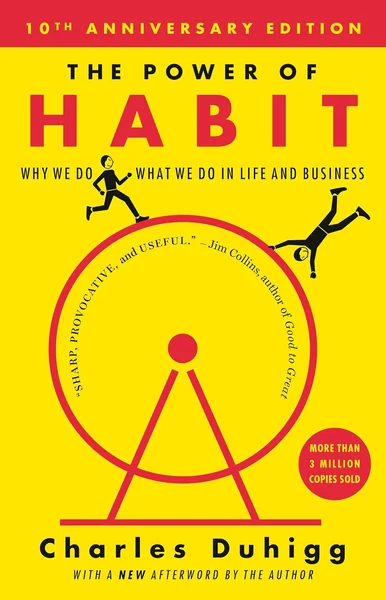
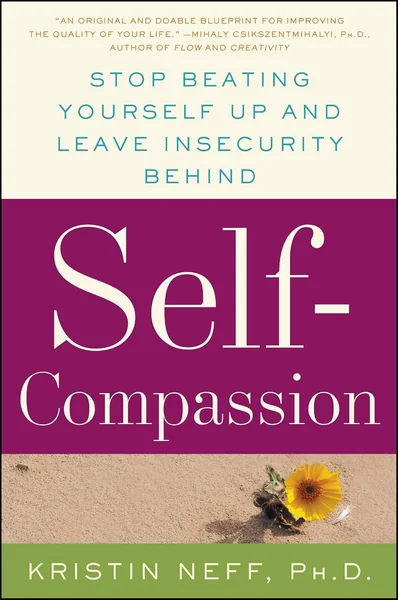
- Readers drawn to Brain Lock's evidence-based self-help approach may also find value in The OCD Workbook: Your Guide to Breaking Free from Obsessive-Compulsive Disorder by Bruce M. Hyman and Cherlene Pedrick, which offers a complementary workbook-style resource for OCD. For a broader exploration of how habits and behaviors are formed and changed, The Power of Habit: Why We Do What We Do in Life and Business by Charles Duhigg provides a compelling neurological and psychological framework. How Emotions Are Made: The Secret Life of the Brain by Lisa Barrett digs deeper into brain science and challenges conventional models of emotion, pairing well with Schwartz's neuroplasticity arguments. Self-Compassion: The Proven Power of Being Kind to Yourself by Kristin Neff and Why Do I Do That?: Psychological Defense Mechanisms and Their Role in Our Hidden Lives by Joseph Burgo round out the list for readers interested in the psychological self-awareness and behavioral-change dimensions of Brain Lock's approach.
- Who should read this?
- Brain Lock is aimed primarily at adults living with OCD — especially those who have found medication alone insufficient, given the book's central argument that roughly 30 percent of patients treated with drugs such as Prozac do not respond and that symptoms often return when medication stops. The estimated five million Americans affected by OCD, many of whom face financial, geographic, or other barriers to formal treatment, represent the book's core audience. While structured for general readers rather than clinicians, the method's adoption in academic treatment centers worldwide means it also has utility as a professional reference point. Those seeking a guide to broader anxiety disorders or related conditions outside OCD will find the book's scope deliberately and explicitly narrow.
- What are the main themes?
- The central themes of Brain Lock are neuroplasticity, self-directed behavioral change, and the limits of pharmaceutical treatment for OCD. Schwartz argues that the brain can be changed through deliberate cognitive effort — that mindful awareness and structured behavioral redirection can produce measurable neurological shifts, as his brain-imaging research demonstrated. A related theme is patient agency: the book is framed as a tool for people who want to actively participate in their own recovery rather than relying solely on medication. The mindful observation of intrusive thoughts — labeling them as OCD symptoms rather than truths — is also a consistent thread throughout, placing Brain Lock in conversation with broader mindfulness-based therapeutic traditions.
- Does the book use real patient stories?
- Yes — real patient case studies drawn from Schwartz's clinical work are woven throughout Brain Lock to illustrate how each step of the four-step process operates in practice. This approach is designed to make the method accessible to general readers by grounding the abstract steps in concrete, recognizable experiences. The case studies are a distinguishing feature of the book's structure, bridging the gap between Schwartz's neuroscientific research and the lived experience of people managing OCD day to day.
- Where should I start with Schwartz's work?
- Brain Lock — particularly this twentieth anniversary edition — is the most accessible and widely recommended entry point into Jeffrey M. Schwartz's work, having reached more than 400,000 readers and being described by the publisher as "the definitive classic" in its field. For readers who want to go deeper into the neuroplasticity research that underpins the four-step method, Schwartz's The Mind and the Brain: Neuroplasticity and the Power of Mental Force offers a more scientifically detailed exploration of the same foundational ideas. Brain Lock remains the natural first read for anyone coming to Schwartz's work from a personal OCD-management perspective.
Summarize this book
Follow up
Synthesized from verified book data & published reviews · How we review
Press Enter to ask. Answers come from our editorial Q&A — start typing to see related questions.
Our Review
What the Book Is and What It Argues
Significance and Clinical Standing
The Case Against Medication Alone — and Why It Still Resonates
Structure, Approach, and Who It Is Designed For
Limitations and Honest Considerations
Sources & Further Reading
The key facts and claims in this review are grounded in the retrieved, verified sources listed below.
- 1
Age & Reading Level
Recommended age
Adult
Reading level
Adult
who it suits
Skip if you're looking for a broad guide to anxiety or related disorders beyond OCD — Brain Lock's scope is deliberately and exclusively focused on obsessive-compulsive disorder.
Reader reviews
Be one of the first readers to answer.
Read it? Was it right for you?
Books like Brain Lock, Twentieth Anniversary Edition
Curated picks for readers who enjoyed Brain Lock, Twentieth Anniversary Edition, with our reasoning for each match.

If you liked Brain Lock, Twentieth Anniversary Edition