9 min read
4.6
· 501 Amazon ratingsShare This Review

Our review
Ignatius and the Swords of Nostaw
Ignatius and the Swords of Nostaw by D. A. Mucci Review: A Promising Debut for Young Fantasy Fans
D. A. Mucci's debut novel, Ignatius and the Swords of Nostaw, is the opening chapter of a five-book epic fantasy series following Ignatius — "Iggy" — a young protagonist stripped of his special abilities and thrust into the enigmatic land of Cambria, where he must master spellcasting, rune-craft, and dual-blade combat as a Nostaw warrior to survive forces bent on destroying him. Born out of pandemic isolation, the novel builds a richly layered world of sword and sorcery designed to appeal to fantasy readers of all ages.
LuvemBooks Verdict
Best for
Younger readers and portal-fantasy enthusiasts who enjoy watching a relatable, underdog hero discover and earn mastery of a richly built world alongside them — and who are happy to commit to a series journey.
Worth it if
You're drawn to coming-of-age fantasy where a hero's growth is measured in hard-won skills and self-belief, and you appreciate an accessible, warmly constructed world introduced at the reader's own pace.
Skip if
You're looking for a self-contained story with rapid resolution, or prefer darker, morally ambiguous adult fantasy — the wholesome, series-opener register and significant world-building setup may test your patience.
What readers & critics say
Readers' Favorite recommends the book to fantasy fans of all ages as "a thrilling and detail-packed tale of sword and sorcery with twists and turns." The Faerie Review praised the world-building as "entirely fantastical yet believable and relatable," drawing a Harry Potter comparison for the way both protagonist and reader discover Cambria together.
Sources: Readers' Favorite, The Faerie ReviewAsk LuvemBooks
Was this helpful?
- Is it worth reading?
- For readers drawn to portal fantasy, coming-of-age hero arcs, and richly built invented worlds, Ignatius and the Swords of Nostaw offers a compelling and internally consistent debut. The Faerie Review commended D. A. Mucci for creating a universe that is 'entirely fantastical yet believable and relatable,' and Readers' Favorite called it a 'thrilling and detail-packed tale of sword and sorcery.' The investment required is real — as a series opener, the first book prioritises world-building and setup over rapid resolution — but readers willing to commit to the long game will find the foundation purposeful. Those seeking darker or morally ambiguous adult fantasy, or a fully self-contained story, may find the tone and structure less suited to their tastes.
- Similar books
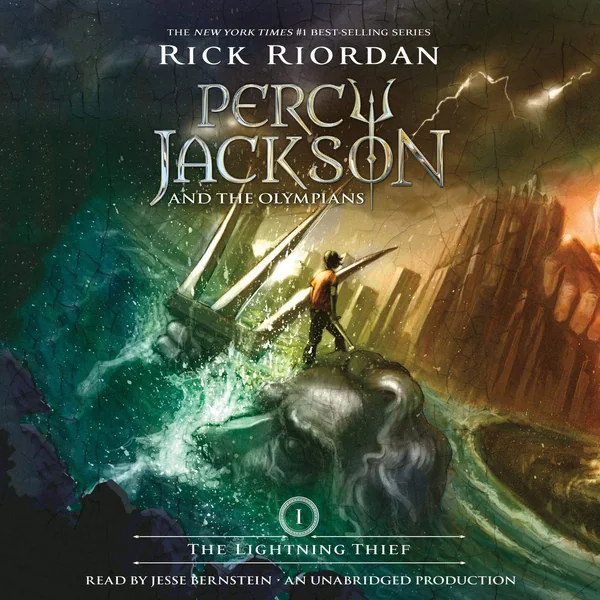
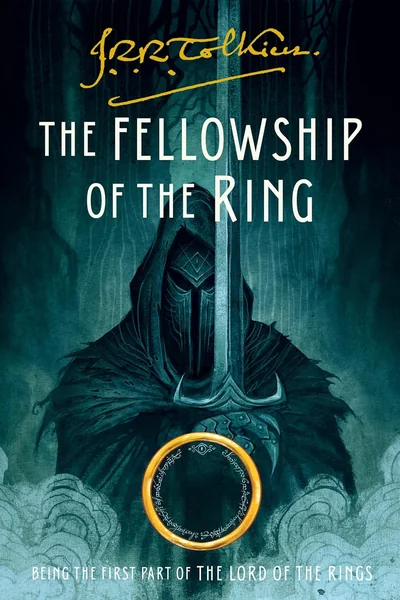
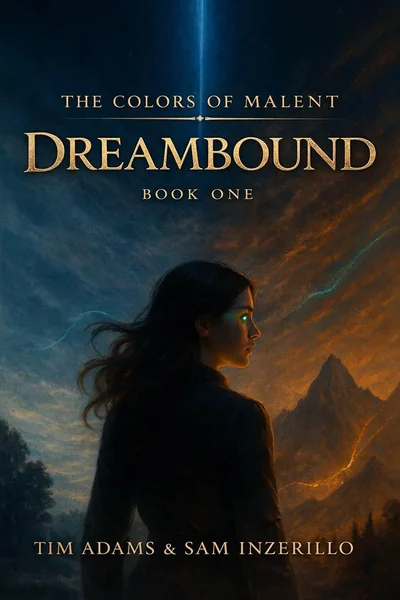
- Readers who enjoy Ignatius and the Swords of Nostaw are likely to gravitate toward other portal-fantasy and epic-fantasy works built around a hero discovering a vast new world. J.R.R. Tolkien's The Fellowship of the Ring and Patrick Rothfuss's The Name of the Wind both share the novel's commitment to deep world-building and a protagonist earning their place through hard-won skill. For readers drawn to the coming-of-age adventure energy, Rick Riordan's Percy Jackson and the Olympians: The Lightning Thief offers a similar guided-discovery dynamic, where a young hero learns the rules of an unfamiliar world alongside the reader. DreamBound by Tim Adams and Sam Inzerillo and Andy Peloquin's Assassin are also curated companion picks on the page for readers looking to explore adjacent fantasy terrain.
- Who should read this?
- Ignatius and the Swords of Nostaw is aimed at fantasy readers of all ages, though its closest natural audience is younger readers and adults with a fondness for portal-fantasy and chosen-hero traditions. The Faerie Review's Harry Potter comparison is instructive: the novel offers a warmly accessible style, an aspirational hero shaped to be relatable, and a world discovered at the reader's pace alongside Iggy. It is especially well suited to readers who enjoy watching a protagonist earn competence step by step — spellcasting, rune mastery, and dual-blade combat — rather than arriving already powerful. Readers seeking gritty, morally ambiguous adult fantasy are less likely to find what they are looking for here.
- What age is it for?
- Ignatius and the Swords of Nostaw is broadly suitable for readers aged 10 and up, with its richest audience likely in the middle-grade-to-young-adult range and adults who love classic portal fantasy. The novel's coming-of-age tone, relatable hero, and guided world-discovery structure — compared by reviewers to Harry Potter — make it accessible to confident younger readers, while the layered world-building and series architecture will also engage teen and adult fantasy fans. There is no notable heavy content flagged by reviewers; the adventure centres on earned competence and resisting corrupting power rather than graphic violence or mature themes.
- Tell me about The Ignatius Series
- Ignatius and the Swords of Nostaw is the first of five planned books in The Ignatius Series, published by St. Barts Publishing. The series follows Iggy's continuing journey through Cambria as he grows from a hero stripped of his abilities into a fully realised Nostaw warrior. Mucci has designed the arc around themes of self-belief and learning to trust a diverse cast of characters — a framework he has described as mirroring his own experience navigating crisis as an emergency medicine physician. The opening volume establishes the world, the Nostaw order, the rules of spellcasting and rune-craft, and the central moral tension around Cambria's crystals, laying deliberate groundwork for the volumes that follow.
- What makes a Nostaw warrior?
- The Nostaw warrior identity is one of the novel's central world-building pillars, and Iggy's path toward it forms the spine of his character arc. Rather than inheriting the title, Iggy earns it through three distinct disciplines: the arcane arts of the spellcaster, the precision practice of rune-etching, and the mastery of dual blades. Mucci ties weapon mastery directly to destiny — the dual blades are described in the narrative as singing 'of his fate' — which anchors the fantasy's more operatic moments in a coherent symbolic logic. The structure ensures that every skill Iggy acquires feels earned within the story's own rules rather than granted by plot convenience.
Summarize this book
Follow up
Synthesized from verified book data & published reviews · How we review
Press Enter to ask. Answers come from our editorial Q&A — start typing to see related questions.
Our Review
What the Book Is and What It Sets in Motion
Origin and Significance
Strengths: World-Building and Reader Immersion
The Hero's Journey and Thematic Core
Who This Book Is For and Where It Has Limits
Sources & Further Reading
The key facts and claims in this review are grounded in the retrieved, verified sources listed below.
- 1
damucci.com
- 2
- 3
thefaeriereview.com
Age & Reading Level
Recommended age
Ages 8–12
Reading level
Middle grade
Tropes
From how readers and romance sites describe it, not our own reading.
who it suits
Best for: Ages 10+ — layered world-building across spellcasting systems, rune disciplines, and the Nostaw warrior order suits confident readers; the coming-of-age tone and accessible style make it approachable for middle-grade readers and up.
Skip if you're looking for gritty, morally ambiguous adult fantasy or a fully self-contained story with rapid resolution.
Reader reviews
Be one of the first readers to answer.
Read it? Was it right for you?
Books like Ignatius and the Swords of Nostaw
Curated picks for readers who enjoyed Ignatius and the Swords of Nostaw, with our reasoning for each match.
If you liked Ignatius and the Swords of Nostaw