Our reviews
21 non-fiction books we've reviewed, each with who it's for, who should skip it and every source we used.
Every review is tagged with how the book feels to read.
21 reviews
Marie Kondo
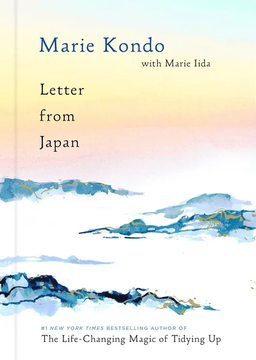
Best for: Readers who came to Marie Kondo through The Life-Changing Magic of Tidying Up or her Netflix series and want to understand the Japanese cultural and spiritual values—Shinto, hospitality, kawaii, seasonal ritual—that underpin her philosophy, rather than more tidying instruction.
Andrew Whitaker
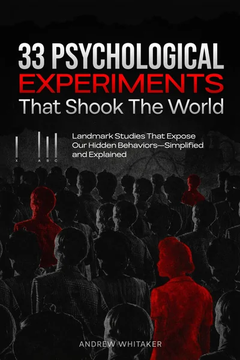
Best for: Curious general readers, first-year psychology students, or professionals in adjacent fields (communication, critical thinking) who want a single, accessible volume orienting them to the landmark behavioral experiments that built modern psychology.
Kate Fletcher, Lynda Grose
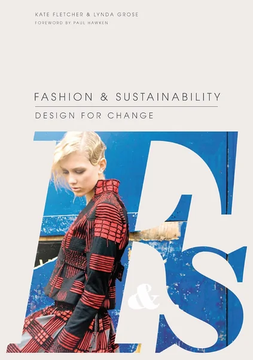
Fashion & Sustainability: Design for Change, by Kate Fletcher and Lynda Grose with a foreword by Paul Hawken, is a landmark non-fiction design reference published by Laurence King Publishing that maps the full scope of fashion's environmental and social crises — and argues, in structured, evidence-based terms, that sustainability holds the power to transform not only the fashion system but the designers and innovators who operate within it.
Zoë Schlanger
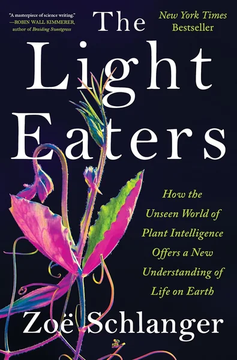
Best for: Curious general readers who want a narrative-driven tour of cutting-edge botany — especially those interested in the sociology and politics of science, and in the philosophical questions that arise when biology pushes at the edges of what we call a "mind."
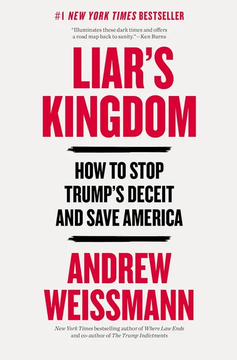
Andrew Weissmann
Best for: Readers with a background interest in constitutional law or federal prosecution who want a concise, expert-driven legal argument for structural reforms to prevent electoral deception — and are open to an explicitly anti-Trump framing.
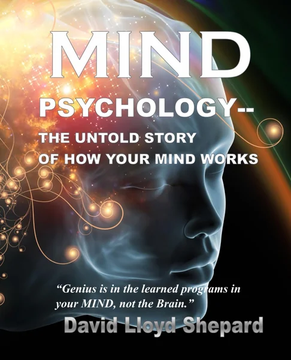
David Lloyd Shepard
Best for: Intellectually curious general readers who want to go beyond standard psychology education and have their assumptions about perception, behaviour, and cognition genuinely challenged — without tackling a formal academic textbook.
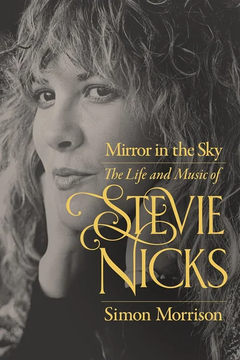
Simon Morrison
Best for: Readers who want a serious, musicologically grounded account of Stevie Nicks as songwriter and artist — particularly those already familiar with her catalogue and curious about its deeper roots in American folk, country, and California recording culture.
turner-tina-with
Best for: Readers who want the full, unmediated account of Tina Turner's life — particularly those drawn to her story through the 1993 film and seeking the primary source behind Angela Bassett's portrayal, with considerably more depth and candor than the screen adaptation provides.
Walton
Best for: Philosophers and advanced graduate students working in analytic aesthetics, philosophy of mind, or philosophy of language who need a rigorous, unified theoretical account of representation across the arts.
Mark Windschitl, Jessica Thompson, Melissa Braaten
Best for: Science teacher educators, university instructors, and professional development leaders who want a research-grounded, equity-embedded framework for transforming science instruction across subjects and grade levels.
Travis Marlette
Best for: Working Splunk practitioners — admins, infosec engineers, or data engineers already fluent in the platform — who want to sharpen their approach to app development, data ingestion, and enterprise integration rather than learn Splunk from scratch.
Kate Fletcher
Best for: Design students, fashion educators, textile researchers, and sustainability practitioners who need a rigorous, systems-level academic framework covering the full lifecycle of fashion and textiles — from materials science and ethical production through to slow fashion theory and participatory design.
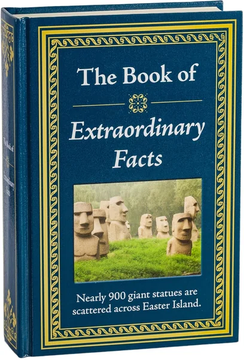
Publications International Ltd.
Best for: Trivia enthusiasts, history hobbyists, and curious adults who enjoy serendipitous, wide-ranging facts across ten subject categories — and anyone looking for a substantial, browse-friendly hardcover gift for a knowledge-hungry dad, friend, or colleague.
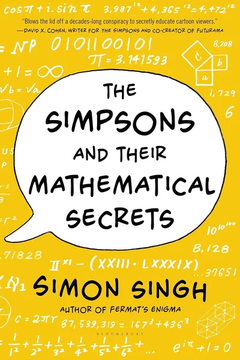
Simon Singh
Best for: Simpsons fans with a curiosity about mathematics who want a genuinely educational popular-science read that uses beloved episodes as a doorway into topics from Fermat's Last Theorem to cosmological equations — no formal maths background required.
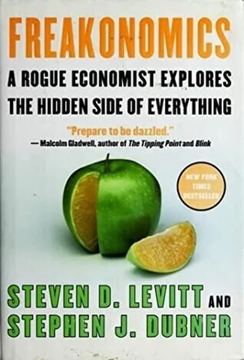
Steven D. Levitt, Stephen J. Dubner
Best for: Curious general readers who enjoy having their assumptions challenged and want an accessible, data-driven introduction to incentive-based thinking across subjects ranging from crime and parenting to baby names.
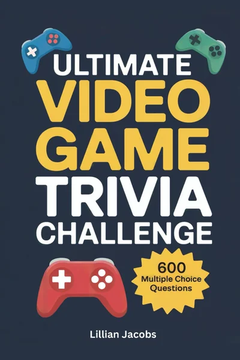
Lillian Jacobs
Best for: Gaming enthusiasts — from retro devotees to RPG specialists — who want a substantial, structured multiple-choice quiz resource for solo self-testing or group competition nights.
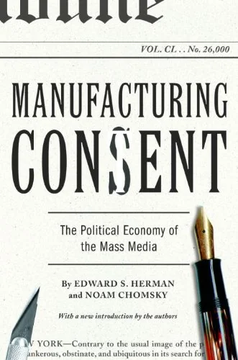
Edward S. Herman and Noam Chomsky
Best for: Serious readers of political economy, media studies, or journalism who want a rigorous, evidence-grounded framework for understanding how corporate and state interests structurally shape mainstream news coverage.
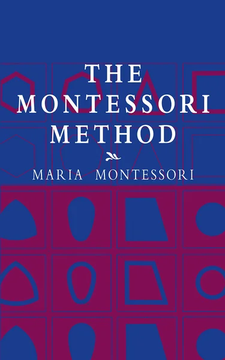
Maria Montessori
Best for: Educators training in or curious about the Montessori tradition, researchers in the history of pedagogy, and parents who want to engage with Montessori's own foundational arguments rather than secondhand summaries or derivative guides.
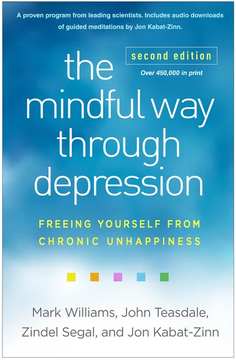
Mark Williams and John Teasdale and Zindel Segal and Jon Kabat-Zinn
A scientifically grounded approach to breaking depressive cycles through mindfulness, offering practical tools for chronic unhappiness but requiring significant commitment and best suited for mild to moderate depression.
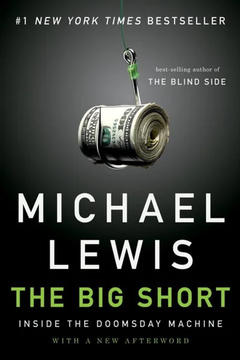
Michael Lewis
Best for: Curious general readers who want to understand how the 2008 financial crisis actually happened — told through the vivid, character-driven stories of the contrarian traders who saw it coming — without needing any prior background in finance.
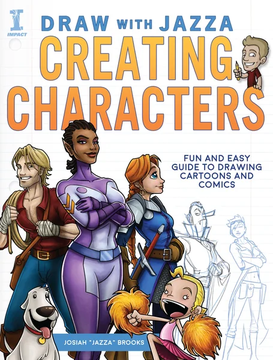
Josiah Brooks
Best for: Self-taught artists, hobbyists, and students with little formal training who want a clear, genre-flexible, repeatable system for designing original characters across comics, cartoons, and video games.
