Our reviews
117 fiction books we've reviewed, each with who it's for, who should skip it and every source we used.
117 reviews match
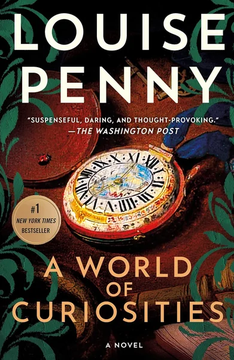
Louise Penny
Best for: Devoted fans of the Gamache series who have followed Armand and Jean-Guy Beauvoir through all seventeen previous novels and are ready for the long-awaited, emotionally charged backstory of their partnership.
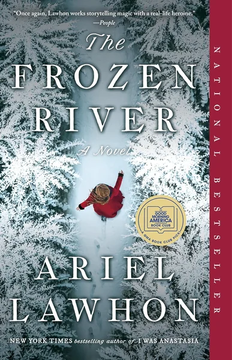
Ariel Lawhon
Best for: Readers drawn to women's history and early American life who want a historically grounded mystery anchored by a quietly formidable protagonist — particularly those who enjoy fiction built on real documented lives and legal-social stakes.
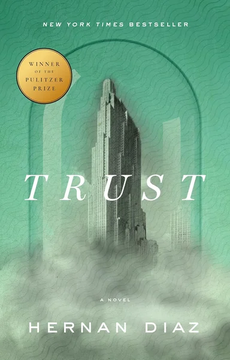
Hernan Diaz
Best for: Readers drawn to metafiction and novels that interrogate narrative form itself — particularly those fascinated by how extreme wealth, capital, and power shape (and distort) historical record.
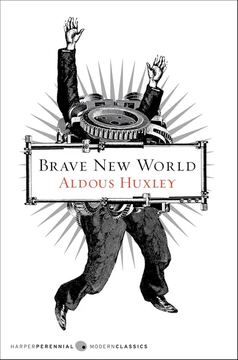
Aldous Huxley
Best for: Readers drawn to novels of ideas — particularly those curious about how dystopian fiction interrogates freedom, technology, and social control — who want to understand the canonical counterpart to Orwell's Nineteen Eighty-Four.
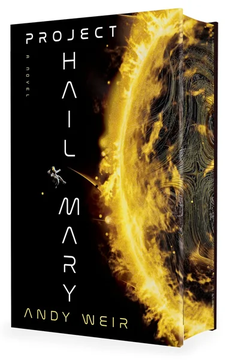
Andy Weir
Best for: Readers who love hard science fiction that doubles as a propulsive thriller — particularly fans of The Martian who want scientifically rigorous problem-solving, extinction-level stakes, and genuine emotional warmth delivered through a first-person, puzzle-driven narrative.
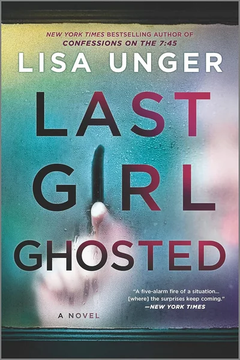
Lisa Unger
Best for: Readers drawn to first-person psychological thrillers where the narrator is as much a mystery as the central suspect, particularly those who find the anonymity of online dating culture genuinely unsettling.
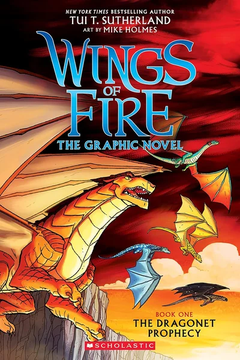
Tui T. Sutherland
Best for: Young readers aged 7–12, especially emerging or reluctant readers who want an accessible visual gateway into one of middle-grade fantasy's biggest worlds before tackling the full prose series.
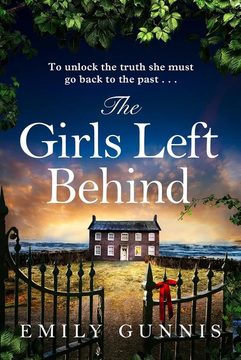
Emily Gunnis
Best for: Readers who enjoy character-driven British crime fiction with a strong historical dimension — particularly those drawn to stories of institutional injustice, wronged women, and multi-generational mystery, and who already love Emily Gunnis's debut, The Girl in the Letter.
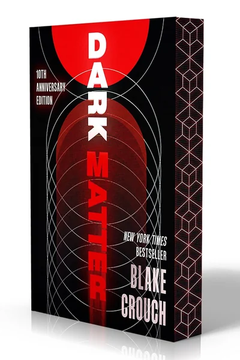
Blake Crouch
Best for: Readers who enjoy fast-paced speculative thrillers that use a high-concept science fiction premise — here, the many-worlds interpretation of quantum mechanics — as the engine for an emotionally grounded story about identity, regret, and the love of a specific family.
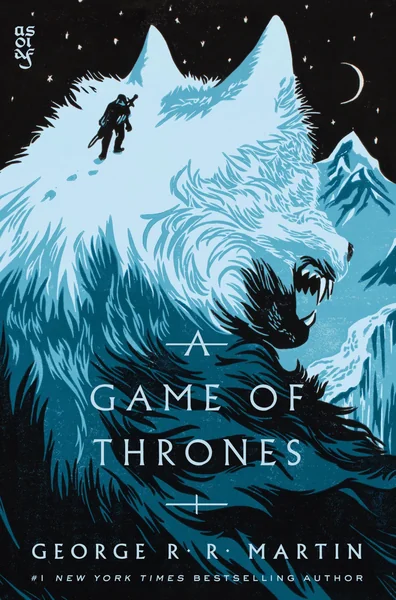
George R. R. Martin
Best for: Readers who relish densely plotted political fiction with a cast of morally compromised characters, high stakes across multiple storylines, and a willingness to see genre conventions upended — particularly those who can commit to a long, as-yet-unfinished series.
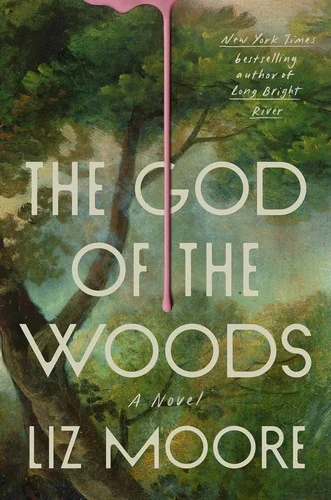
Liz Moore
Best for: Readers who want their crime fiction to carry the weight of a family saga and social novel — particularly those drawn to multi-timeline, ensemble-cast stories where class dynamics, parental failure, and community trauma matter as much as the mystery itself.
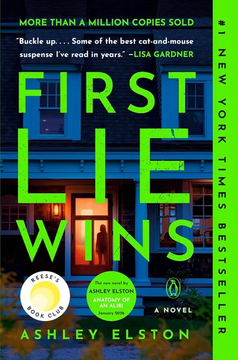
Ashley Elston
Best for: Thriller readers who relish con-artist and identity-swap narratives, tolerate — even enjoy — non-linear timelines and sustained disorientation, and treat an unexpected twist as the reward rather than the problem.
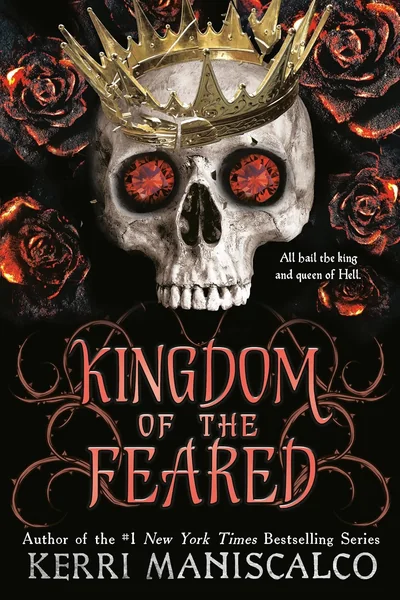
Kerri Maniscalco
Best for: Readers who have followed Emilia and Wrath across the full Kingdom of the Wicked trilogy and want a dark, Hell-set romantasy finale that pays off the enemies-to-lovers arc with twists, supernatural intrigue, and mature emotional stakes.
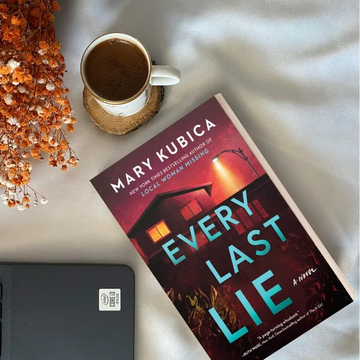
Mary Kubica
Best for: Readers drawn to domestic suspense built around dual-timeline architecture and the slow unravelling of a marriage's hidden secrets — particularly those who enjoy unreliable narrators and dramatic irony driven by a widening gap between what the reader knows and what the grieving protagonist can yet see.
Kristin Hannah
Best for: Readers of emotionally driven women's fiction who are drawn to a mystery-threaded family drama and will find the psychological rehabilitation of a traumatised feral child — rendered without conventional dialogue — more compelling than a conventional romance.
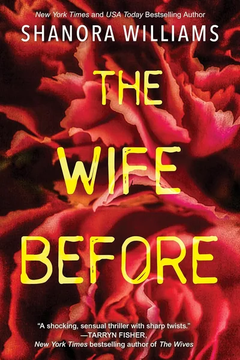
Shanora Williams
Best for: Readers who love emotionally intense, fast-moving domestic thrillers built around dark relationship dynamics, glamorous secrets, and genuinely shocking twists — particularly fans of Colleen Hoover's Verity looking for their next obsession.
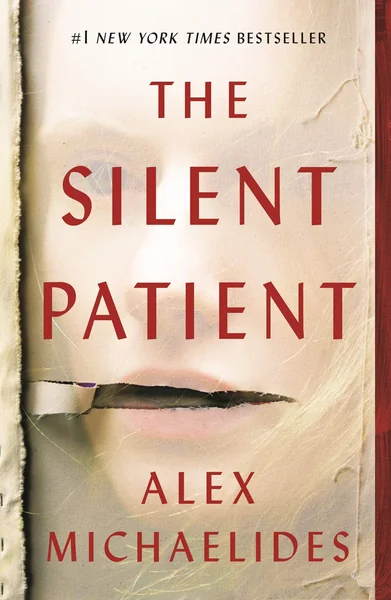
Alex Michaelides
Best for: Readers who love twist-driven psychological thrillers in the Agatha Christie tradition and want a fast-paced, structurally ingenious debut that carries genuine thematic weight — silence, trauma, and the ethics of therapy — alongside its propulsive plot.
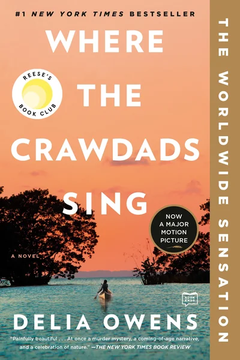
Delia Owens
Best for: Readers who love immersive sense-of-place fiction and want a cross-genre story that blends survival, romance, and courtroom mystery — especially those drawn to the natural world and emotionally resonant coming-of-age narratives.
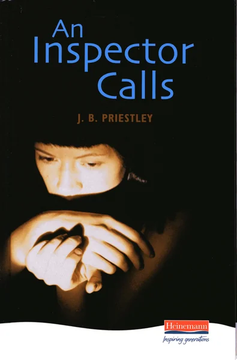
J.B. Priestley
Best for: Students tackling the play as a GCSE or IGCSE set text, and general readers seeking a compact, high-stakes theatrical argument about class, responsibility, and moral complicity that can be absorbed in a single sitting.
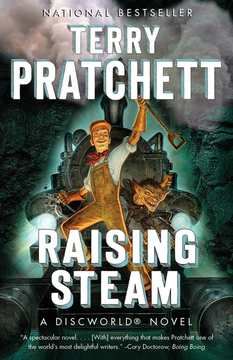
Terry Pratchett
Best for: Long-term Discworld readers who have followed Moist von Lipwig through Going Postal and Making Money, and who want to watch Ankh-Morpork cross the irreversible threshold into the industrial age — with all the political weight and elegiac resonance that carries given its place as the penultimate novel in Pratchett's series.
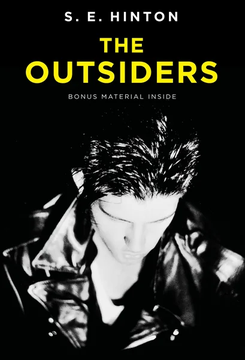
S. E. Hinton
Best for: Middle- and high-school readers — and adults revisiting their school years — who want a short, emotionally honest coming-of-age story about class, loyalty, and identity that still feels urgent decades after it was written.
