Our reviews
93 fiction books we've reviewed, each with who it's for, who should skip it and every source we used.
93 reviews match
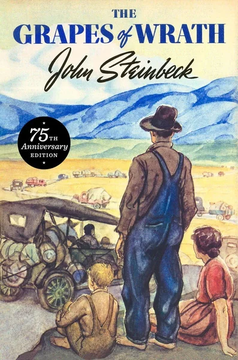
John Steinbeck
Best for: Readers who want to own a presentation-quality hardcover of one of the most decorated novels in American literature — particularly those drawn to the commemorative design of Elmer Hader's original cover art and Michael Schwab's endpapers — as well as first-time readers approaching the Joads' story of Dust Bowl dispossession for the first time.
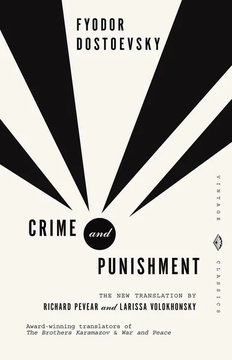
Fyodor Dostoevsky
Best for: Readers drawn to psychological fiction and moral philosophy who want the most critically endorsed English-language text of Dostoevsky's 1866 masterwork — particularly those in academic or serious literary reading contexts.
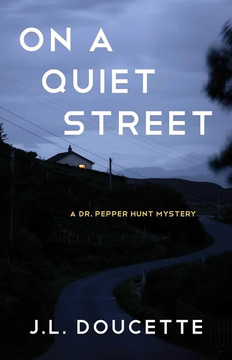
J.L. Doucette
Best for: Readers who enjoy psychologically grounded crime fiction in the tradition of Ann Cleeves and Louise Penny, and who want a series they can follow in order through a distinctive Wyoming setting with leads who have genuine interiority.
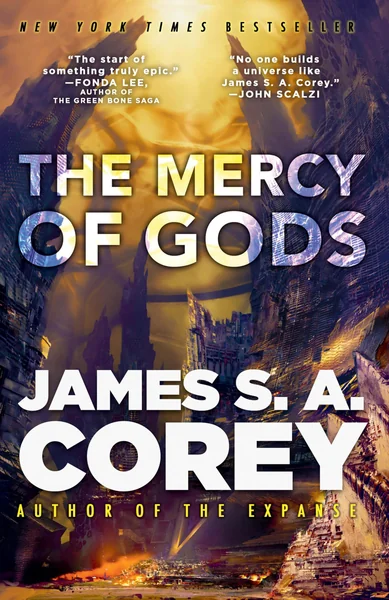
James S. A. Corey
Best for: Readers who want a character-anchored space opera that interrogates power, survival, and what makes us human — especially those drawn to ensemble drama set against genuinely alien, world-scale stakes.
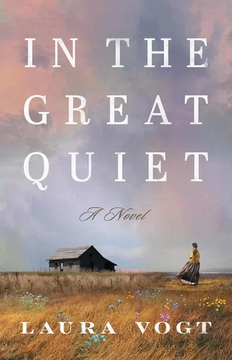
Laura Vogt
Best for: Readers of literary historical fiction who want a slow, immersive, place-driven story about a woman's inner transformation — specifically those drawn to atmospheric prose, psychological interiority, and the complex social landscape of the American frontier.
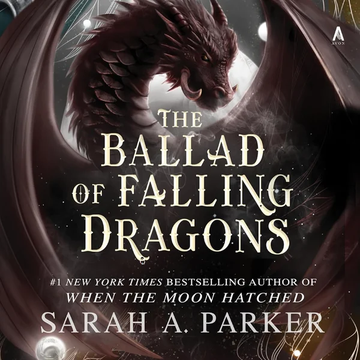
Sarah A. Parker
Best for: Readers already invested in the Moonfall duology — particularly fans of dark romantasy with serious stakes, grief-laden central relationships, and intricate world-building — who are ready to see Kaan and Raeve's story through to its conclusion.
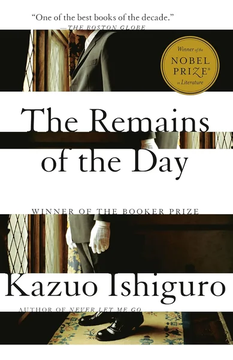
Kazuo Ishiguro
Best for: Readers who relish literary fiction of the highest formal ambition — particularly those drawn to unreliable narrators, understated prose, and novels that use one man's emotional self-deception to illuminate questions of class, duty, and political complicity in twentieth-century England.
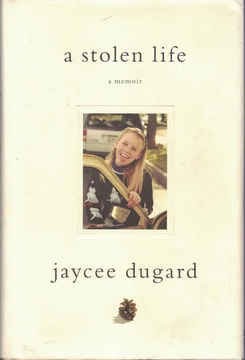
Jaycee Dugard
Best for: Readers drawn to survivor memoirs and the psychology of resilience under extreme conditions — particularly those who followed Dugard's case through news coverage and want the interiority, continuity, and systemic accountability that reporting could never provide.
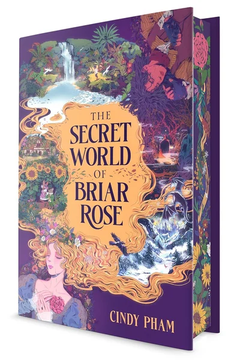
Cindy Pham
Best for: Readers aged 14 and up who want a structurally ambitious, emotionally serious Sapphic fairy-tale retelling and are comfortable with shifting timelines, grief, mental health themes, and queer and nonbinary representation woven into the core cast.
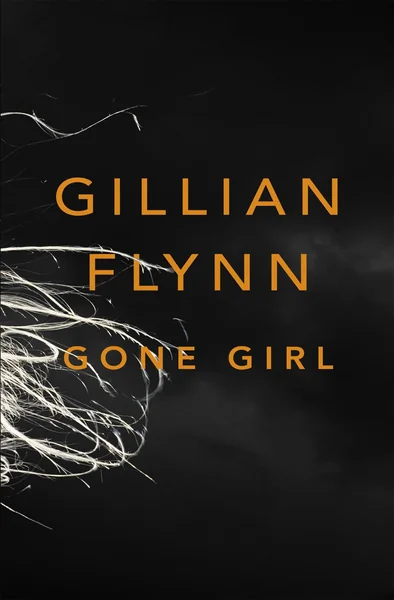
Gillian Flynn
Best for: Readers who relish psychological complexity and narrative misdirection — particularly those drawn to the tradition of Patricia Highsmith or to fiction that treats marriage as a battleground of deception and power.
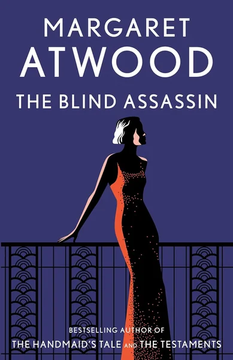
Margaret Atwood
Best for: Readers who relish formally ambitious literary fiction — nested narratives, unreliable retrospective voices, and the slow, satisfying accumulation of withheld truths — and who have an appetite for mid-century Canadian social history and stories about women navigating class, marriage, and silence.
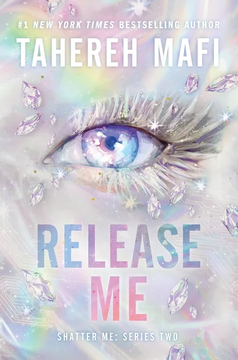
Tahereh Mafi
Best for: Devoted fans of the Shatter Me universe — particularly YA dystopian romance readers already invested in Rosabelle and James's story after Watch Me — who are comfortable with morally complicated relationships, multiple POVs, and cliffhanger endings.
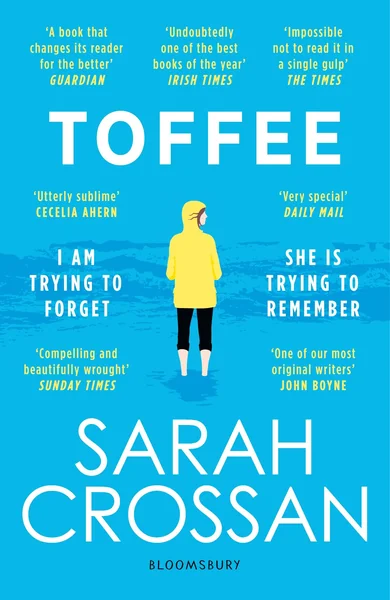
Sarah Crossan
Best for: Older teen readers (and adults) drawn to poetic, emotionally resonant storytelling who want to explore themes of domestic abuse, dementia, and the search for identity through a spare, award-winning verse novel.
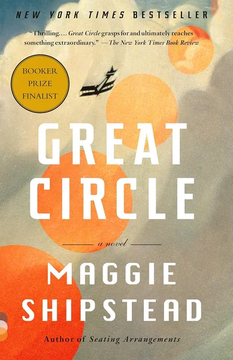
Maggie Shipstead
Best for: Readers who relish sweeping, research-rich biographical fiction about women who defied the limits of their era, and who are drawn to metafictional explorations of how history mythologises — and distorts — such women's legacies.
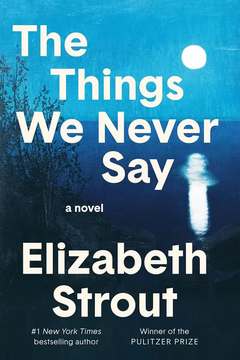
Elizabeth Strout
Best for: Readers who appreciate Strout's hallmark compression, working-class interiority, and quietly accumulative emotional power, and who are ready to follow her into a wholly new fictional world built around male loneliness and buried secrets.
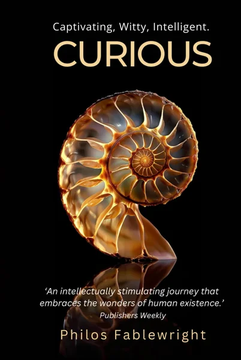
Philos Fablewright
Best for: Readers who want their fiction to carry genuine philosophical weight — those drawn to idea-driven, parable-like novels that use one character's unraveling as a lens for examining existence, technology, and humanity's future.
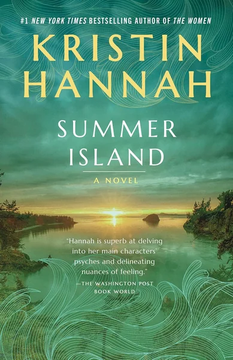
Kristin Hannah
Best for: Readers drawn to emotionally concentrated fiction about mother-daughter estrangement and reconciliation — especially those interested in tracing Kristin Hannah's thematic preoccupations before her later shift to large-scale historical novels.
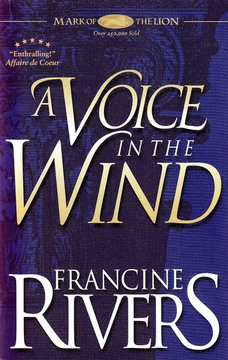
Francine Rivers
Best for: Readers of Christian historical fiction who want the genre taken seriously — those ready to inhabit a morally complex first-century Roman world where faith is a lived, costly thing rather than a comfortable backdrop.
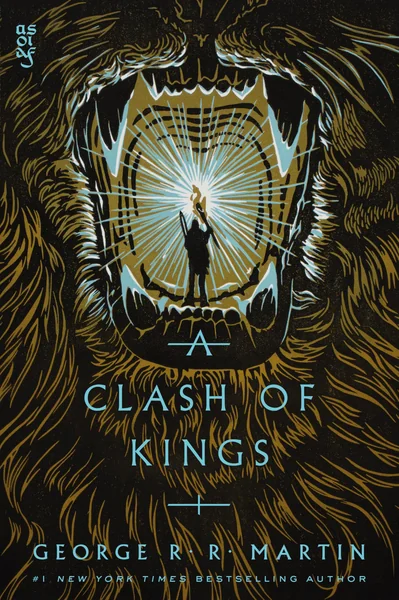
George R. R. Martin
Best for: Readers already invested in A Song of Ice and Fire who want a sprawling, politically complex epic that treats power and survival with historical weight rather than fairy-tale convention.
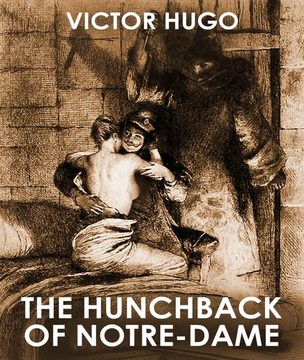
Victor Hugo
Best for: Readers who know Hugo primarily through film or stage adaptations and want to encounter the full, unabridged novel he actually wrote — complete with its architectural arguments, moral complexity, and tragic arc.
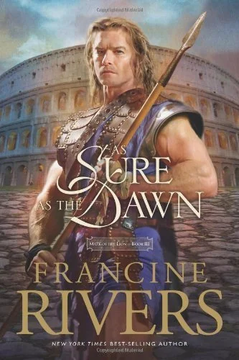
Francine Rivers
Best for: Readers who have already committed to the Mark of the Lion trilogy and are invested in the fates of Atretes, Marcus, and Hadassah — particularly those drawn to historically grounded Christian fiction set in the brutality of first-century Rome.
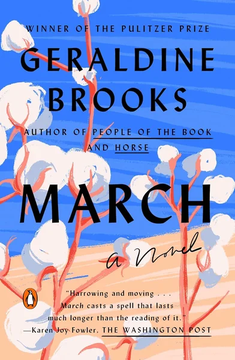
Geraldine Brooks
Best for: Readers of serious literary historical fiction who are curious about the moral and psychological interior of an idealistic man tested by the Civil War — especially those who have ever wondered what lay behind the cheerful letters home in Little Women.
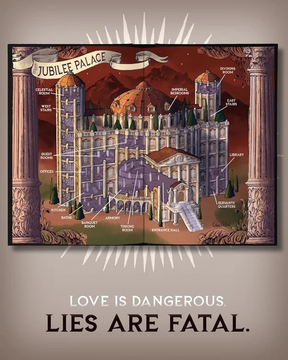
Mai Corland
Best for: Romantasy readers who want their romance anchored in a genuinely dangerous murder mystery — and mystery readers open to a richly built fantasy world with slow-burn romantic tension between two protagonists who authentically distrust each other.
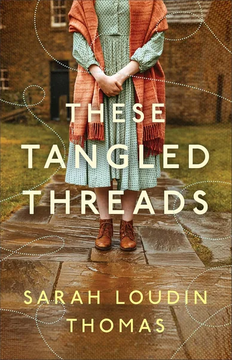
Sarah Loudin Thomas
Best for: Readers of Christian historical fiction who are drawn to Appalachian culture, the Biltmore Estate world, and emotionally textured stories about fractured friendships, craft traditions, and the long work of personal reckoning.
