Our reviews
1,017 books, each with who it's for, who should skip it, reading level and content notes, and every source we used.
136 reviews match
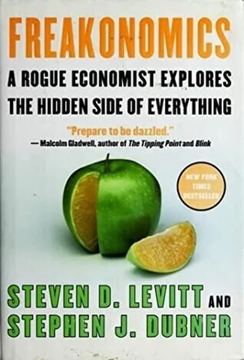
Steven D. Levitt, Stephen J. Dubner
Best for: Curious general readers who enjoy having their assumptions challenged and want an accessible, data-driven introduction to incentive-based thinking across subjects ranging from crime and parenting to baby names.
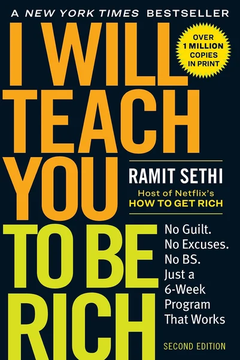
Ramit Sethi
Best for: Young adults who are new to managing money and want a structured, action-oriented program that builds an automated financial system from the ground up — with minimal prior knowledge required.
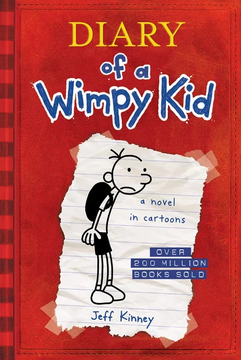
Jeff Kinney
Best for: Middle-grade readers aged 10–13 — especially reluctant readers — who respond better to a fast-paced, illustrated diary format than to traditional chapter-driven fiction, and who will delight in Greg Heffley's obliviously self-serving take on the social minefield of middle school.
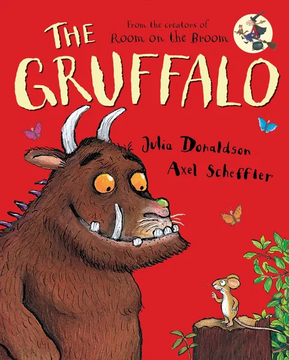
Julia Donaldson
Best for: Parents, caregivers, and nursery educators seeking a rhythmically rich, read-aloud picture book for children aged two to five who are ready to engage with a satisfying trickster story built on repetition, pattern, and comic suspense.
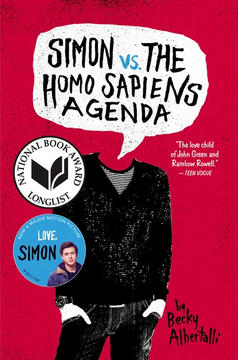
Becky Albertalli
Best for: Young adult readers aged fourteen and up who are navigating questions of identity, disclosure, and belonging — particularly those who want an LGBTQ+ coming-of-age story that treats sexuality as one dimension of a fully drawn teenager's life rather than a problem to be solved.
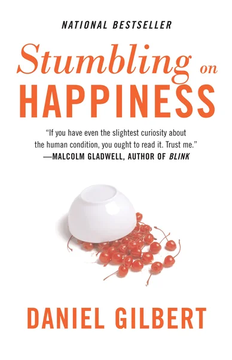
Daniel Gilbert
Best for: Readers curious about the psychology of prediction and self-deception who want a rigorous, research-grounded account of why humans are poor judges of what will make them happy — and who are content to leave without a prescriptive plan.
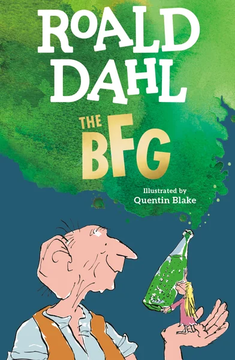
Roald Dahl
Best for: Children aged roughly seven to ten — and the adults reading aloud to them — who delight in invented language, absurdist logic, and a central friendship between a brave small girl and a gentle giant outcast.
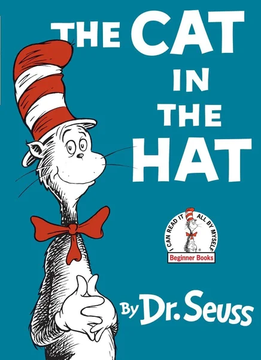
Dr. Seuss
Best for: Caregivers, early-years educators, and anyone curious about how a single 61-page picture book reshaped the architecture of children's literacy publishing — as well as parents seeking a proven, vocabulary-controlled first reader for children roughly aged two to six.
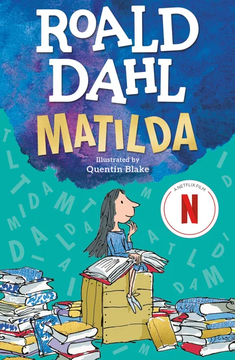
Roald Dahl
Best for: Middle-grade readers (grades 3–7) who love books and stories, and adults selecting a perennial classroom or library essential that champions childhood intelligence and self-determination.
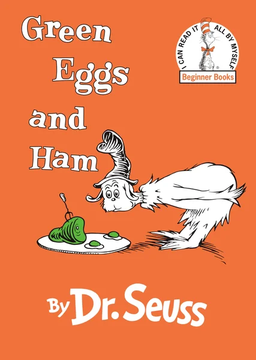
Dr. Seuss
Best for: Parents, caregivers, and early-years educators looking for a rhythmically irresistible, vocabulary-controlled read-aloud that builds early reading confidence in children ages 3–7 through joyful repetition and a gentle openness-to-new-things lesson.
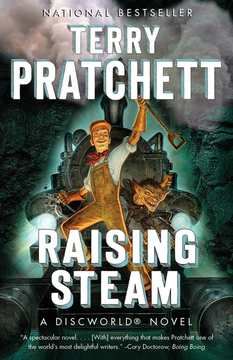
Terry Pratchett
Best for: Long-term Discworld readers who have followed Moist von Lipwig through Going Postal and Making Money, and who want to watch Ankh-Morpork cross the irreversible threshold into the industrial age — with all the political weight and elegiac resonance that carries given its place as the penultimate novel in Pratchett's series.
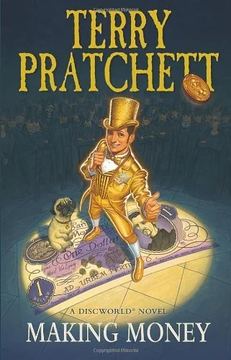
Terry Pratchett
Best for: Committed Discworld readers — particularly those who have already met Moist von Lipwig in Going Postal — and anyone drawn to comic fantasy that treats economic systems and the philosophy of money as genuine satirical and narrative material.
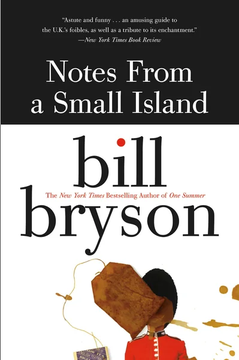
Bill Bryson
Best for: Readers who want to be charmed by Britain's quirks, history, and self-effacing culture through the eyes of a long-resident American — particularly those who enjoy humorous, essayistic travel writing over rigorous itinerary-driven narratives.
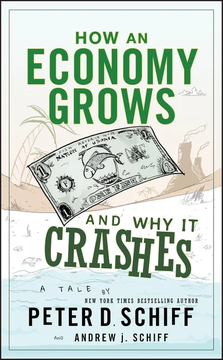
Peter D. Schiff and Andrew J. Schiff
Best for: General readers — especially curious newcomers, students seeking a counterpoint to mainstream economics curricula, and anyone who emerged from the 2008 financial crisis wanting a plain-language, illustrated explanation of what went wrong — who want an accessible entry point into Austrian economic thinking without wading through academic texts.
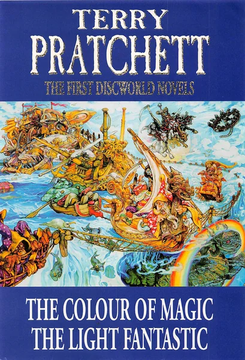
Terry Pratchett
Best for: Readers beginning the Discworld series who want the complete opening arc — both The Colour of Magic and The Light Fantastic — in a single durable hardcover, as well as established fans seeking a collected edition of the foundational texts.
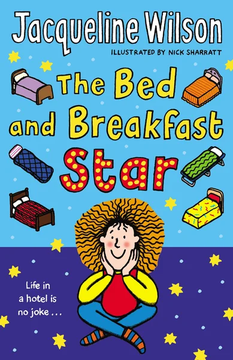
Jacqueline Wilson
Best for: Children aged 9–11 who respond to resilient, funny protagonists and are ready for fiction that handles family instability, poverty, and emotional hardship honestly rather than softening them.
