

8 min read
4.6
· 32,119 Amazon ratingsShare This Review
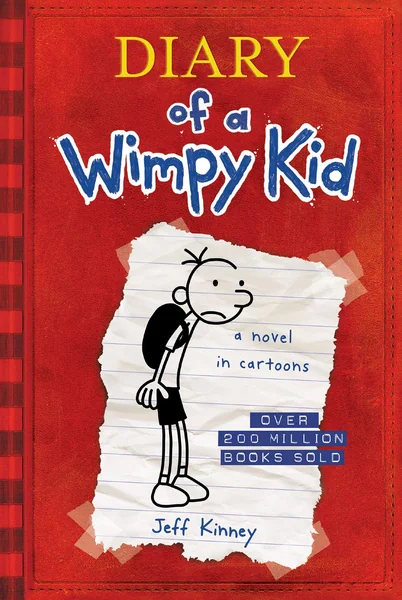
Diary of a Wimpy Kid by Jeff Kinney Review: A Genre-Defining Middle-School Classic
Jeff Kinney's Diary of a Wimpy Kid is the illustrated children's novel that launched one of the best-selling book series in publishing history, introducing Greg Heffley — an ambitious, self-absorbed middle-schooler navigating popularity, family chaos, and the social minefield of junior high — to more than 250 million readers worldwide.
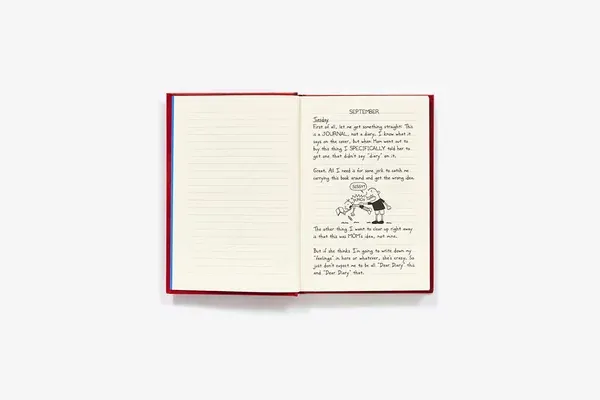 Tap to enlarge
LuvemBooks Verdict
Best for
Middle-grade readers aged 10–13 — especially reluctant readers — who respond better to a fast-paced, illustrated diary format than to traditional chapter-driven fiction, and who will delight in Greg Heffley's obliviously self-serving take on the social minefield of middle school.
Worth it if
Worth reading if you want an entry point into children's fiction that balances genuine comic craft — a narrator whose unreliability is itself the joke — with a uniquely accessible hybrid format that has demonstrably turned non-readers into readers.
Skip if
Skip it if you're seeking a children's novel with a sustained dramatic arc, layered characterisation, or subverted archetypes — the episodic structure and stock supporting characters (the bullying older brother, the stereotypical school dance) are trade-offs baked into the design, not bugs that later entries fix.
What readers & critics say
Kirkus Reviews called it "certain to elicit both gales of giggles and winces of sympathy from young readers," praising Greg's "unwavering self-interest" as the engine of the comedy. The Children's Book Review highlighted how Kinney's "comic book style with humor and wit" captures the highs and lows of middle school in a way that makes readers "burst out laughing," while a young reader writing for The Guardian gave it 5 out of 5 stars, calling Greg's misadventures "hilarious" and recommending it to readers aged 10–13.
“Certain to elicit both gales of giggles and winces of sympathy — not to mention recognition — from young readers.”
— Kirkus Reviews“Greg can be horrible, but the audience always roots for him anyway.”
— The GuardianAge & Reading Level
Recommended age
Ages 8–12
Reading level
Middle grade
who it suits
Best for: Ages 8+ — the middle-grade reading level, episodic structure, and illustrated format suit confident readers aged 8 and up; the middle-school social setting resonates most strongly from around age 8 through 12.
Skip if you want a children's novel with a sustained dramatic arc and rising stakes rather than loosely connected comic episodes.
Diary of a Wimpy Kid by Jeff Kinney is Trending
New Animated Film 'Diary of a Wimpy Kid: The Last Straw' Brings Greg Heffley Back to Screens
A new animated Diary of a Wimpy Kid film is in the works — The Last Straw — making it a great time to revisit (or discover) the book that started it all. It's the eighth film in the franchise and a sequel to the 2023 holiday entry.
A new animated movie adaptation, Diary of a Wimpy Kid: The Last Straw, is generating fresh buzz around the beloved series. It's the eighth film in the Diary of a Wimpy Kid franchise and the fourth animated installment, picking up directly after 2023's Diary of a Wimpy Kid Christmas: Cabin Fever. This is also the second time The Last Straw book has been adapted for the screen, which says a lot about how much appetite there still is for Greg Heffley's misadventures.
With a new film shining a spotlight on the series, a lot of readers — parents, kids, and nostalgic millennials alike — are going back to where it all started. The original Diary of a Wimpy Kid book introduced Greg to the world, and it holds up as the perfect entry point whether you're new to the series or want a refresher before catching the movie.
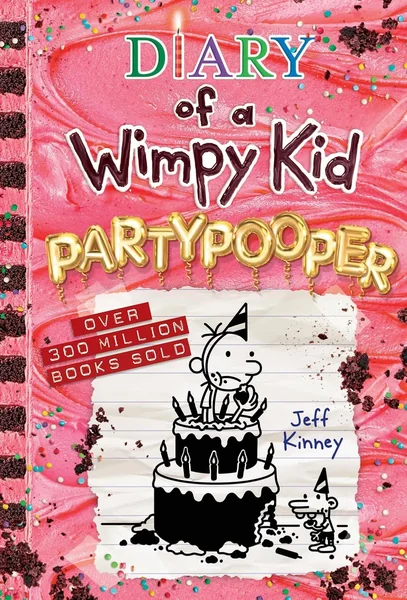
The series has now sold over 300 million books across 56 languages, so it's safe to say Greg Heffley isn't going anywhere. If you've never read the first book, now's a genuinely good time to pick it up.
In This Review
- What Works & What Doesn't
- What the Book Actually Is
- Origin and Publishing History
- Cultural Significance and Reception
- Genuine Strengths
- Honest Limitations
What Works & What Doesn't
What Works
- Introduced a hybrid illustrated-novel format that drew millions of reluctant readers to books
- Greg Heffley's self-unaware, sarcastic narrator voice delivers comedy that works for both child and adult readers
- Named a New York Times bestseller and part of a series that has sold over 250 million copies globally
- Episodic diary-entry structure makes it highly accessible for readers who resist traditional chapter-driven fiction
- First book in a series of twenty main entries, offering an extensive continuation for engaged readers
What Doesn't
- Episodic structure means the book lacks a sustained dramatic arc with rising stakes
- Some reader reviews note the book relies on stock character archetypes and includes weak jokes alongside the stronger comic material
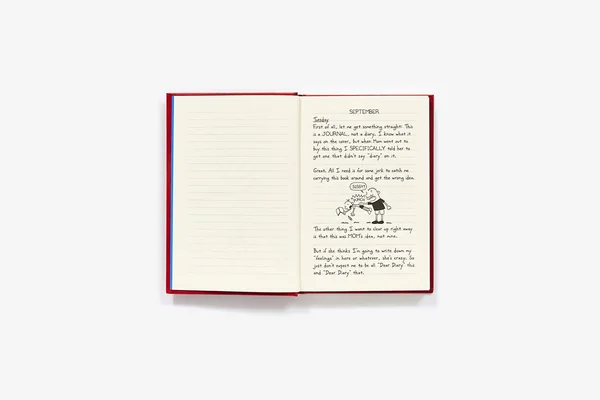
What the Book Actually Is
Origin and Publishing History
Cultural Significance and Reception
Genuine Strengths
Honest Limitations
Frequently Asked Questions
Sources & Further Reading
The key facts and claims in this review are grounded in the retrieved, verified sources listed below.
- Cited in this review
- 1
- Further reading
- 2
Jeff Kinney, Wikipedia
- 3
en.wikipedia.org
- 4
- 5
- 6
- 7
joyfulicity.com
Related Reviews
Reviews of books we picked for readers who enjoyed Diary of a Wimpy Kid.
Reader Comments
No comments yet
Be the first to share your thoughts!