Our reviews
1,017 books, each with who it's for, who should skip it, reading level and content notes, and every source we used.
89 reviews match
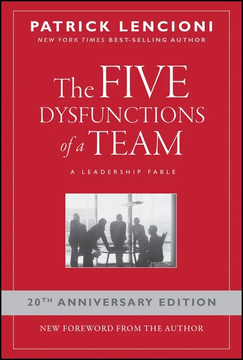
Patrick M. Lencioni
Best for: Executives, managers, and team leads who want a fast, absorbing introduction to team dysfunction that doubles as a practical intervention tool — especially those stepping into a new leadership role and confronting a team that is underperforming, resistant, or fragmented.
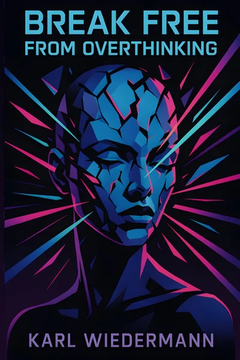
Karl Wiedermann
Best for: Adults at the beginning or middle of their self-help journey who recognise themselves in cycles of rumination, emotional over-reactivity, and difficult interpersonal dynamics, and want a concise, immediately actionable framework for interrupting those patterns.
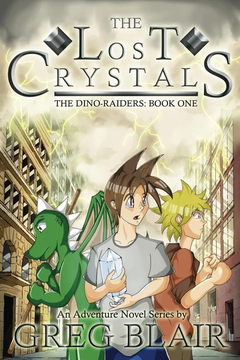
Greg Blair
Best for: Middle-school readers (roughly ages 10–13) who are new to adventure fiction and want a fast-moving, high-concept story that mixes time travel with dinosaur encounters.
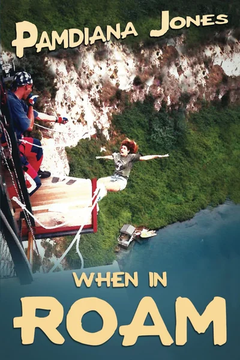
Pamdiana Jones
Best for: Readers who enjoy self-deprecating, incident-driven travel humor — especially anyone who has survived their own travel disasters or is curious about what solo backpacking looked like in the pre-internet mid-1990s.
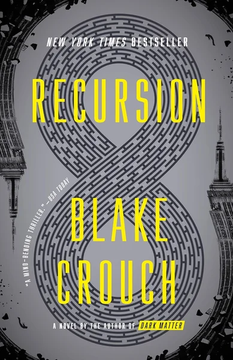
Blake Crouch
Best for: Readers who want high-concept science fiction anchored in genuine emotional stakes — particularly those drawn to grief, memory, and identity explored through a tightly engineered thriller framework with a dual-protagonist structure.
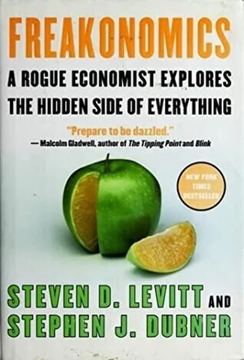
Steven D. Levitt, Stephen J. Dubner
Best for: Curious general readers who enjoy having their assumptions challenged and want an accessible, data-driven introduction to incentive-based thinking across subjects ranging from crime and parenting to baby names.
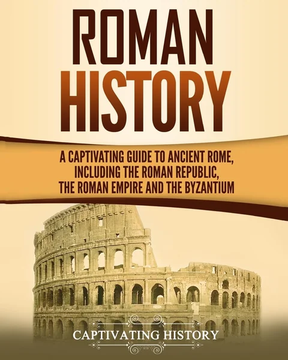
Captivating History
Best for: Curious general readers — students, history enthusiasts, or complete newcomers — who want a single, coherent narrative connecting the Roman Republic, the Roman Empire, and Byzantium without wading through academic textbooks.
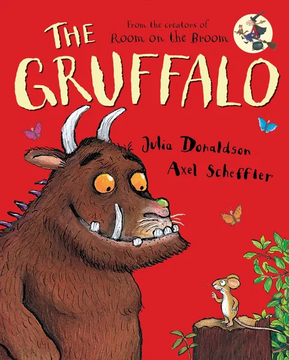
Julia Donaldson
Best for: Parents, caregivers, and nursery educators seeking a rhythmically rich, read-aloud picture book for children aged two to five who are ready to engage with a satisfying trickster story built on repetition, pattern, and comic suspense.
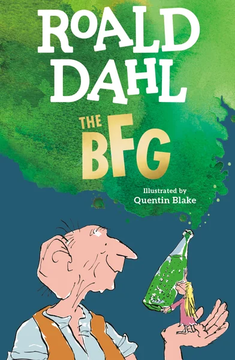
Roald Dahl
Best for: Children aged roughly seven to ten — and the adults reading aloud to them — who delight in invented language, absurdist logic, and a central friendship between a brave small girl and a gentle giant outcast.
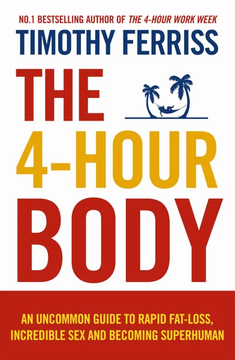
Timothy Ferriss
Best for: Self-directed experimenters and biohacking enthusiasts — particularly fans of Ferriss's The 4-Hour Workweek — who are comfortable treating their own bodies as data sources and want a single-volume reference spanning fat loss, exercise, sleep, skill acquisition, and sexual performance organized around the "minimum input, maximum output" philosophy.
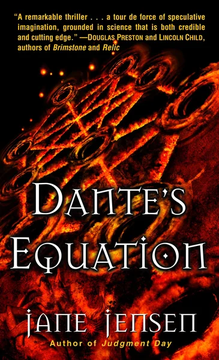
Jane Jensen
Best for: Readers who prioritise ideas over character warmth and are drawn to ambitious speculative fiction that fuses Holocaust history, Kabbalistic mysticism, Torah-code scholarship, and multiverse physics into a single conceptual framework — the audience that already gravitates toward Philip K. Dick or early Neal Stephenson.
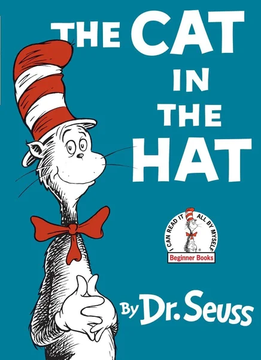
Dr. Seuss
Best for: Caregivers, early-years educators, and anyone curious about how a single 61-page picture book reshaped the architecture of children's literacy publishing — as well as parents seeking a proven, vocabulary-controlled first reader for children roughly aged two to six.
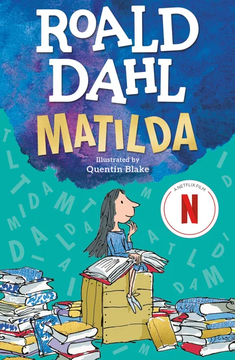
Roald Dahl
Best for: Middle-grade readers (grades 3–7) who love books and stories, and adults selecting a perennial classroom or library essential that champions childhood intelligence and self-determination.
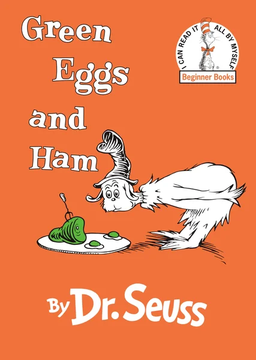
Dr. Seuss
Best for: Parents, caregivers, and early-years educators looking for a rhythmically irresistible, vocabulary-controlled read-aloud that builds early reading confidence in children ages 3–7 through joyful repetition and a gentle openness-to-new-things lesson.
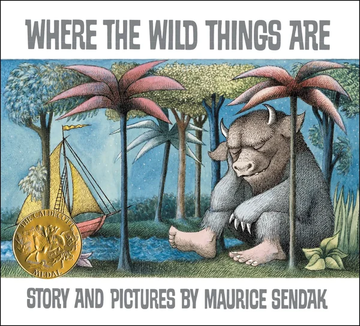
Maurice Sendak
Best for: Parents, caregivers, and early-years educators looking for a foundational picture book that honestly addresses childhood anger and the power of imagination, to share with preschool through early-elementary readers.
Timothy Snyder
Best for: Civically engaged general readers who want a historically grounded, action-oriented introduction to democratic backsliding and how to resist it — without committing to a lengthy academic text.
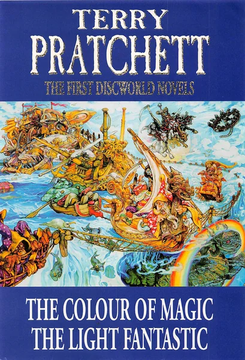
Terry Pratchett
Best for: Readers beginning the Discworld series who want the complete opening arc — both The Colour of Magic and The Light Fantastic — in a single durable hardcover, as well as established fans seeking a collected edition of the foundational texts.
