7 min read
Share This Review
Liberation Psychology: 7 Steps To Self-Rejuvenation by Julius Spes Review: A Compact Action-Oriented Self-Help Guide
Julius Spes's Liberation Psychology: 7 Steps to Self-Rejuvenation is a concise self-help guide designed to help readers break free from the psychological and emotional weight of daily life through seven structured, actionable steps aimed at mental freedom and personal renewal.
LuvemBooks Verdict
Best for
Readers feeling overwhelmed by the cumulative demands of work, home, and daily life who want a short, structured, step-by-step framework for reclaiming mental and emotional equilibrium — especially those new to self-help or returning to it after burnout.
Worth it if
You want a concise, actionable road map for personal renewal and appreciate a clear sequential structure over theoretical depth or academic rigour.
Skip if
You are looking for evidence-based clinical methodology, research-backed psychological frameworks, or an exploratory, open-ended approach to self-development — the book's brief, prescriptive format will feel too introductory.
What readers & critics say
The Audible UK listing describes the book as "a transformative book that guides listeners through a journey of self-discovery and rejuvenation," singling out the Chapter Two "Self-Awareness" section as a particular highlight (audible.co.uk). No independent critical reviews of this specific title were retrieved; the Kirkus result returned in the search corresponds to an unrelated work.
Sources: Audible UKAsk LuvemBooks
Was this helpful?
- Is it worth reading?
- For readers who feel overwhelmed by daily life and want a clear, actionable road map toward mental and emotional equilibrium, Liberation Psychology: 7 Steps to Self-Rejuvenation delivers genuine value through its concise, step-based structure. The book is particularly well-matched to those approaching self-help for the first time or returning to it after burnout, given its focus on practical outcomes over theoretical depth. However, readers with prior experience in self-help literature or formal psychology may find the treatment more foundational than they are looking for — the same brevity that makes it approachable also limits the depth of coverage.
- Who should read this?
- Liberation Psychology: 7 Steps to Self-Rejuvenation is designed for readers who feel overwhelmed by the cumulative demands of everyday life — work, home, and social obligations — and are seeking a structured, accessible framework for reclaiming their mental and emotional equilibrium. It is particularly well-matched to those approaching self-help for the first time or returning to it after burnout, given its straightforward seven-step design and focus on actionable outcomes. The availability of an audiobook edition also makes it a strong fit for commuters and multitaskers who benefit from audio-based learning. Readers in search of evidence-based clinical methodology or academic rigor should look elsewhere.
- Similar books
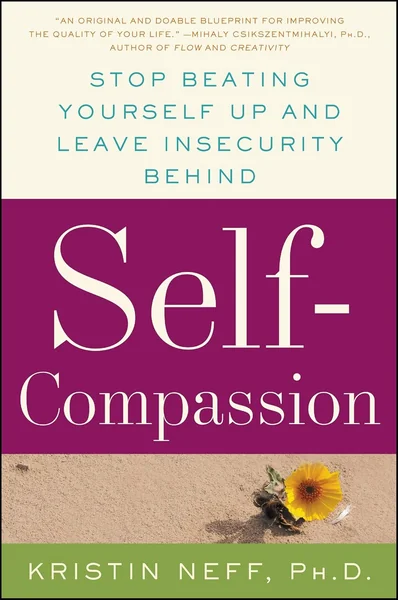
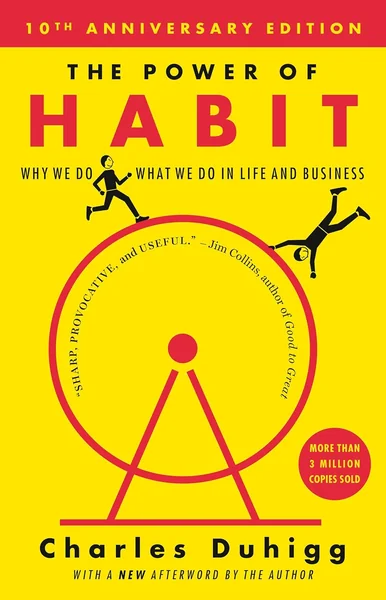
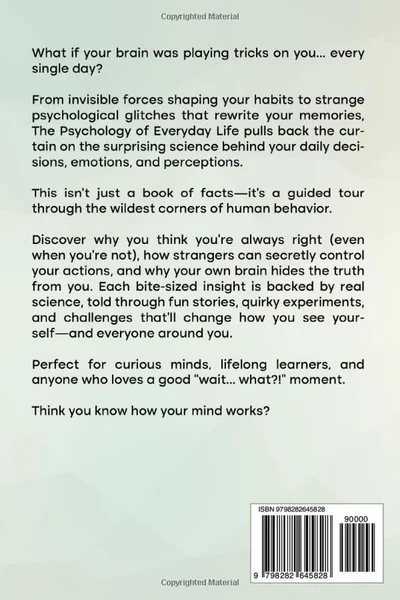
- Readers who connect with Liberation Psychology: 7 Steps to Self-Rejuvenation will find natural next steps among several curated titles. Kristin Neff's Self-Compassion: The Proven Power of Being Kind to Yourself offers a research-grounded exploration of self-kindness that complements Spes's emphasis on inner renewal, with greater academic depth. Charles Duhigg's The Power of Habit: Why We Do What We Do in Life and Business pairs well for readers interested in the behavioral mechanics behind personal change. For a broader psychological perspective, Adrian Holt's The Psychology of Everyday Life: 100 Psychology Facts About the Biases, Habits and Robert Greene's The Laws of Human Nature both explore how the mind shapes behavior — with Greene's work offering considerably more depth for readers ready to go further.
- What are the main themes?
- The central theme of Liberation Psychology: 7 Steps to Self-Rejuvenation is mental freedom as an actively cultivated state — Spes argues it is not passive but must be pursued through structured self-inquiry. Self-awareness is a foundational pillar, with a dedicated chapter prompting readers to examine their thoughts, emotions, and motivations as a precondition for meaningful change. The book also engages themes of emotional and psychological renewal, particularly for readers who feel drained by the cumulative pressures of work, home, and social life. Underpinning all seven steps is the premise that a change in perspective — giving life new meaning — follows from the disciplined pursuit of inner freedom.
- How long and what format is this book?
- Liberation Psychology: 7 Steps to Self-Rejuvenation is a concise guide — its brevity is one of its defining characteristics, making it accessible to readers who want a focused entry point rather than an extended treatment. It is available in Kindle, paperback, and Audible audiobook formats, all published in 2023. The audiobook edition is particularly noted as a strong option for commuters and multitaskers who engage with content on the go.
- Is this academic psychology?
- No — despite sharing a name with the academic field of liberation psychology, Julius Spes's book is a practical self-help guide aimed at a general audience, not an academic or research-backed text. It does not engage with the scholarly traditions of liberation psychology as an academic discipline, and presents itself plainly as an instruction manual for inner renewal. Readers arriving with expectations of clinical methodology, empirical research, or theoretical frameworks will find the treatment introductory rather than rigorous — a distinction the book does not obscure.
Summarize this book
Follow up
Synthesized from verified book data & published reviews · How we review
Press Enter to ask. Answers come from our editorial Q&A — start typing to see related questions.
Age & Reading Level
Recommended age
Adult
Reading level
Adult
Skip if you want an evidence-based, research-backed psychological framework rather than a practical introductory guide.
Our Review
What the Book Is and What It Sets Out to Do
Structure and Core Content
Strengths: Accessibility and Actionable Focus
Limitations and Considerations for Prospective Readers
Who This Book Is For
Sources & Further Reading
The key facts and claims in this review are grounded in the retrieved, verified sources listed below.
- Cited in this review
- 1
audible.co.uk
- Further reading
- 2
learnedowl.com
- 3
Books like Liberation Psychology
Curated picks for readers who enjoyed Liberation Psychology, with our reasoning for each match.
If you liked Liberation Psychology