At a glance
LuvemBooks Verdict
Best for: Readers drawn to the intersection of poverty, art, and self-invention who want to understand what shaped Pacino before Hollywood did — particularly those curious about New York's postwar theatre underground and the human engine behind iconic screen performances.
Worth it? Skip it? Read the full verdict →Preview the book
Ask LuvemBooks
Was this helpful?
- Is it worth reading?
- Sonny Boy is worth reading for anyone genuinely curious about Pacino's inner life and the world that shaped him — the early South Bronx chapters alone justify picking it up, offering material The Guardian called 'startlingly cinematic.' People Magazine named it one of their Top 10 Books of the Year and called it 'the rare celebrity memoir that's also a literary read,' and it landed as an instant New York Times bestseller. The caveat is that once the memoir shifts into career-survey mode, critics found it can feel like a 'perfunctory cradle-to-age-84 overview,' and readers hoping for intimate personal revelation about his private life will find Pacino keeping a characteristic emotional distance.
- Similar books
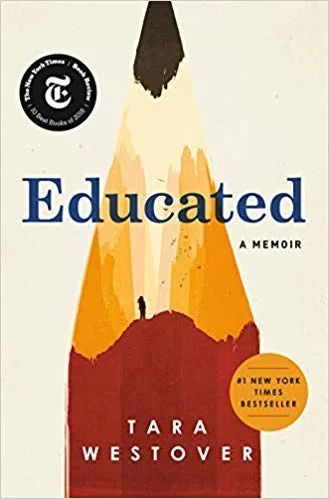
- Readers who responded to Sonny Boy's mix of vivid childhood memoir and show-business candor will find strong companions in the curated selections below. Steve Martin's Born Standing Up: A Comic's Life covers similarly unglamorous early years and a hard-won artistic identity — essential reading for anyone drawn to performers reflecting on their craft. Jennifer Grey's Out of the Corner: A Memoir shares Pacino's candid, sometimes painful honesty about navigating a career defined by a single iconic role. For the kind of working-class-origins-to-extraordinary-life arc, Tara Westover's Educated offers a more literary treatment, while Jimmy Carter's A Full Life: Reflections at Ninety provides an interesting counterpoint in reflective late-life memoir form. Linda I. Meyers' The Tell: A Memoir rounds out the group for readers drawn to the thread of a difficult maternal relationship running through a life story.
- Who should read this?
- Sonny Boy is best suited to readers with a genuine interest in Pacino's artistic journey — particularly his theater roots, his New York avant-garde years, and his philosophy of acting — rather than those hunting for celebrity gossip or private-life revelations. It will resonate strongly with anyone drawn to postwar American working-class history, New York City's cultural geography, or the mechanics of how outsider talent breaks through. Film enthusiasts with a deep interest in the early 1970s Hollywood renaissance — the era of The Godfather, Serpico, and Dog Day Afternoon — will find the behind-the-scenes accounts genuinely rewarding. It is less suited to readers who want emotional intimacy or confessional disclosure about Pacino's personal relationships.
- About Al Pacino
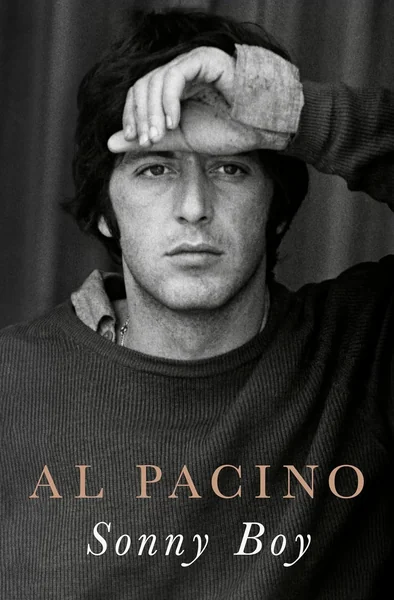
- Al Pacino is the author of Sonny Boy (2024), a memoir whose title draws from the Al Jolson song that gave him his nickname. The book opens in 1943, when Pacino was three years old and his mother Rose, a factory worker, began sneaking him into local picture houses. It chronicles a postwar South Bronx childhood and his lifelong relationship with acting.
- What are the main themes?
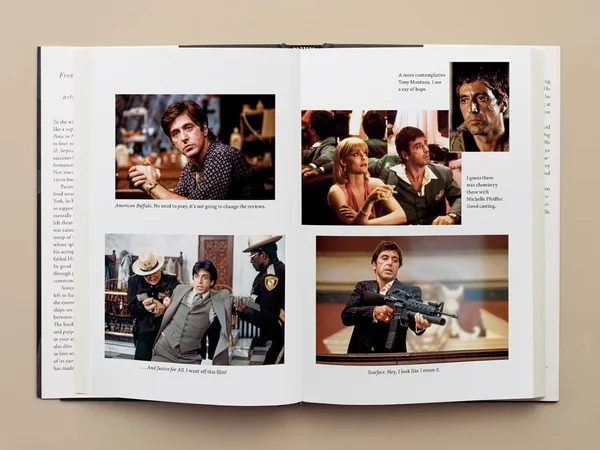
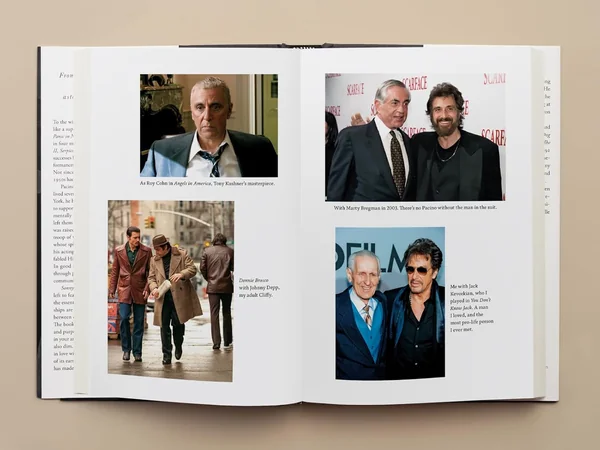
- The memoir's most persistent theme is the relationship between poverty, outsider status, and artistic drive — how a delinquent South Bronx school dropout who was reading Chekhov and Odets in public libraries became, as The Guardian put it, 'arguably the most persuasive actor to ever grace a movie screen.' A second major thread is the bond with his mother Rose — 'fragile and uncontrollable,' a figure Pacino likens to a Tennessee Williams character — whose mental decline and eventual accidental overdose haunts the book's early chapters. Pacino also returns repeatedly to the idea that his full creative identity encompasses theater, documentary directing, and Shakespeare, not just his iconic screen roles — a corrective to the cultural shorthand that reduces him to Michael Corleone and Tony Montana.
- How was it received by critics?
- Sonny Boy landed as an instant New York Times bestseller and was named one of People Magazine's Top 10 Books of the Year — People called it 'the rare celebrity memoir that's also a literary read.' The Guardian labeled it 'a fine memoir' and described the South Bronx chapters as 'startlingly cinematic.' Critical coverage also called it 'conversational, breezily readable, reflective.' The dissenting note came from critics who found portions to be 'a perfunctory cradle-to-age-84 overview,' with the memoir's structure sometimes working against its most heartfelt passages — and its relative reticence about Pacino's personal life leaving certain sections feeling shaped toward a conventional biographical form.
Summarize this book
Follow up
Synthesized from verified book data & published reviews · How we review
Press Enter to ask. Answers come from our editorial Q&A — start typing to see related questions.
Age & Reading Level
Recommended age
Adult
Reading level
Adult
3 content notes · who it suits
Content to know about
Best for: Adults — themes of parental mental illness, electroshock treatment, and a parent's accidental overdose suit mature readers.
Skip if you're looking for a confessional celebrity memoir with candid personal-life revelations and behind-the-scenes gossip.
Editorial Review
Al Pacino's Sonny Boy, published by Penguin Press on October 15, 2024, is an instant New York Times bestseller that traces the icon's journey from a hardscrabble postwar South Bronx childhood to the heights of Hollywood — most compellingly in its early chapters, and most unevenly when it shifts into a career survey that People Magazine called "as funny as it is reflective."
Read the Full ReviewBooks like Sonny Boy
Curated picks for readers who enjoyed Sonny Boy, with our reasoning for each match.
If you liked Sonny Boy