At a glance

The Rainbow Fish
LuvemBooks Verdict
Best for: Caregivers and early-years educators looking for a tactile, visually striking picture book to spark conversation about sharing and belonging with children aged roughly one to five.
Worth it? Skip it? Read the full verdict →Ask LuvemBooks
Was this helpful?
- Is it worth reading?
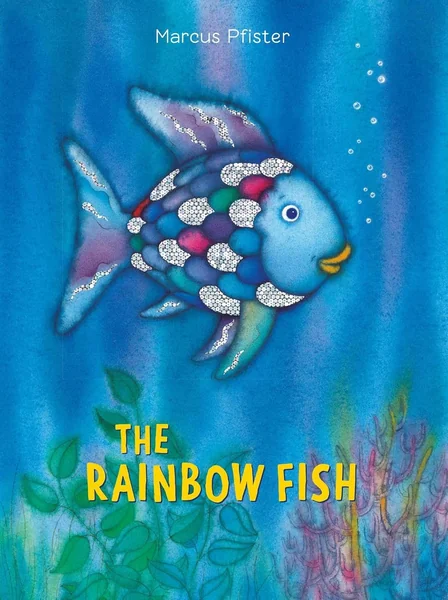
- For caregivers of toddlers and preschoolers, The Rainbow Fish delivers a visually dazzling experience — its holographic foil scales remain a genuine publishing innovation that delights young audiences — and a clear, accessible narrative arc from isolation to belonging. Its extraordinary commercial and cultural reach (30 million copies, roughly sixty-five languages, a New York Times recommended title) confirms its broad resonance. The key caveat is the plot mechanic: the Rainbow Fish arrives at generosity only after being completely ostracized, a detail that has prompted sustained critical debate about whether the book teaches sharing as a virtue or as a response to social pressure. Caregivers prepared to discuss that nuance will find the book more rewarding.
- Similar books
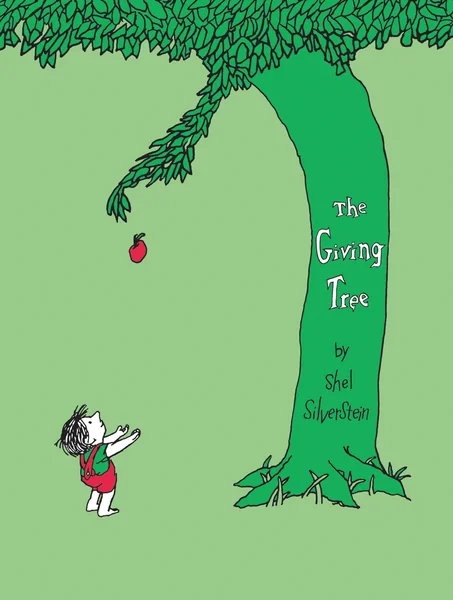
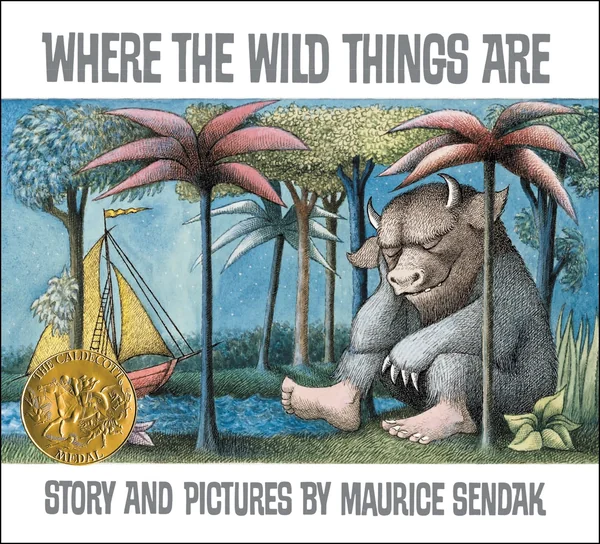
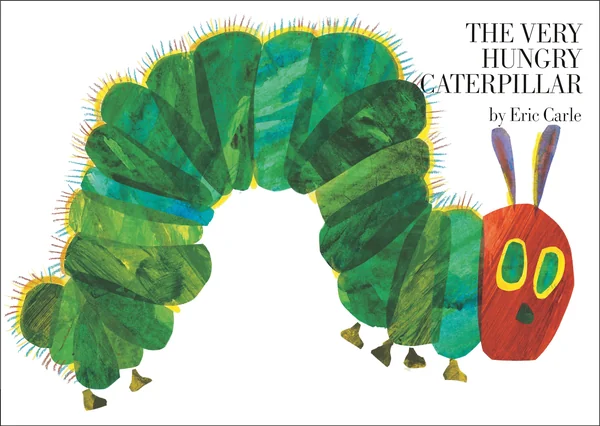
- Readers drawn to The Rainbow Fish will find a natural shelf companion in The Giving Tree by Shel Silverstein, another perennial picture book centered on the theme of giving that has itself attracted critical debate about its message. Where the Wild Things Are by Maurice Sendak shares the vivid, imaginative illustration style and emotional journey structure, while Goodnight Moon by Margaret Wise Brown and The Very Hungry Caterpillar by Eric Carle appeal to the same toddler-to-preschool audience with equally iconic visual identities. Green Eggs and Ham by Dr. Seuss rounds out the group as another heavily read-aloud classic that uses a simple, repeated narrative arc to deliver its message.
- Who should read this?
- The publisher and major retailers position The Rainbow Fish for readers aged roughly one to five, and its short text, vivid undersea setting, and tactile holographic foil elements are squarely designed for that audience. Caregivers and educators who want a starting point for conversations about sharing and belonging will find the premise direct and the story brief enough for a single sitting. Readers who want a picture book that models generosity as a freely chosen, internal virtue — rather than a response to social exclusion — may find the plot mechanics less satisfying.
- What age is it for?
- Best for ages 1–5. The publisher and major retailers position The Rainbow Fish squarely in the toddler-to-preschool range, supported by its short text, tactile holographic foil scales, and vivid undersea watercolor illustrations — all designed to engage the youngest picture-book audiences. The New York Times also named it among its 52 Great Books for Toddlers, confirming its fit at the lower end of that range.
- About Marcus Pfister
- Marcus Pfister is a Swiss author and illustrator of children's picture books.
- Tell me about the adaptation
- The Rainbow Fish was adapted into an animated television series that aired on HBO Family in the United States and Teletoon in Canada, running from 1999 to 2000. The series extended the undersea world Pfister created in the original picture book, bringing the characters to a broader audience through episodic storytelling. As with many picture book adaptations, the series expanded well beyond the original book's single narrative arc.
Summarize this book
Follow up
Synthesized from verified book data & published reviews · How we review
Press Enter to ask. Answers come from our editorial Q&A — start typing to see related questions.
Age & Reading Level
Recommended age
Ages 5–8
who it suits
Best for: Ages 1–5 — short text, tactile foil elements, and simple watercolor illustrations are designed for toddlers and preschoolers; the reading level and narrative complexity suit the very youngest picture-book audiences.
Skip if you want a picture book that models sharing as a freely chosen, intrinsic virtue rather than a response to social ostracism.
Editorial Review
Marcus Pfister's The Rainbow Fish is a New York Times bestselling children's picture book, originally published in 1992 by NordSüd Verlag and widely known for its signature holographic foil scales, that tells the story of a vain and beautiful fish who must learn to share in order to find friendship — a simple premise that has generated decades of sincere admiration and equally sincere critical debate.
Read the Full ReviewBooks like The Rainbow Fish
Curated picks for readers who enjoyed The Rainbow Fish, with our reasoning for each match.
If you liked The Rainbow Fish