

8 min read
4.6
· 21,008 Amazon ratingsFeatured In
Share This Review
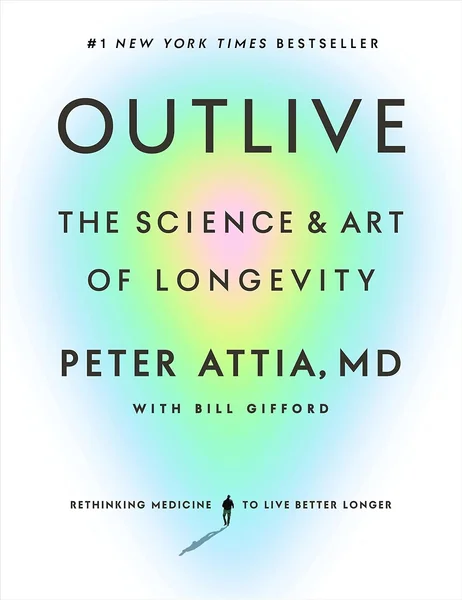
Outlive: The Science and Art of Longevity by Peter Attia MD Review: A Rigorous, Prevention-First Longevity Blueprint
Co-authored by longevity physician Peter Attia and journalist Bill Gifford, Outlive is a comprehensive non-fiction health and wellness guide that reframes aging as a preventable process — built around defeating the "Four Horsemen" of heart disease, cancer, neurodegenerative disease, and type 2 diabetes — and appeared on The New York Times Best Seller list in both 2023 and 2024.
LuvemBooks Verdict
Best for
Scientifically curious readers — particularly those with a family history of heart disease, cancer, neurodegenerative disease, or type 2 diabetes — who want a rigorous, evidence-grounded framework for rethinking preventive health across a lifetime rather than a quick-fix wellness checklist.
Worth it if
Worth engaging with if you are willing to work through clinical depth and want a coherent, science-backed argument for shifting from reactive healthcare to a personalized, prevention-first approach to longevity.
Skip if
Skip it if you are looking for a brief, light wellness read — the 17-chapter scope, clinical granularity, and emphasis on quantified self-monitoring (VO2 max testing, early screening protocols) demand sustained attention and presuppose access to medical resources not available to everyone.
What readers & critics say
Wikipedia's reception summary describes Outlive as integrating scientific research with practical, specific steps to optimize healthspan, noting critical coverage that characterized it as a "data- and anecdote-rich" guide to scientifically informed lifestyle choices. The New York Times covered the book as "a runaway best seller," noting that Attia's Medicine 2.0 vs. Medicine 3.0 framework positions proactive prevention of the four chronic diseases of aging as its central argument.
“Attia distinguishes between Medicine 2.0 — addressing chronic diseases only after they become problems — and Medicine 3.0, which aims to proactively prevent them for as long as possible.”
— The New York TimesAge & Reading Level
Recommended age
Adult
Reading level
Adult
who it suits
Skip if you're looking for a brief, checklist-style wellness guide rather than a clinically detailed, evidence-grounded framework.
Outlive: The Science and Art of Longevity by Peter Attia is Trending
Outlive Keeps Drawing Readers as Longevity Stays a Top Health Conversation
Peter Attia's guide to living longer and healthier continues to find new readers well after its debut. With longevity and preventive health still dominating wellness conversations, Outlive remains one of the go-to books for people who want a science-backed approach to aging better.
Outlive has been a steady presence in readers' hands since it first hit the New York Times Best Seller list in 2023 — and it's still circulating widely today. The book's core argument, that aging and its biggest killers (heart disease, cancer, neurodegenerative disease, and type 2 diabetes) are things you can actively work to prevent, continues to resonate with people who are done waiting until something goes wrong to pay attention to their health.
What keeps this one relevant is that the conversation around longevity hasn't cooled off. If anything, more people are asking how to stay sharp and mobile into their 60s, 70s, and beyond — not just live longer, but actually feel good doing it. Attia's approach isn't about extreme biohacking or fad diets; it's a structured, evidence-based framework, which is exactly what a lot of readers are looking for when they're tired of conflicting health advice.
If you haven't picked this one up yet, it's the kind of book that tends to get recommended by someone you trust — a doctor, a gym-going friend, a podcast you like. It's dense but readable, and most people come away with at least a few concrete things they want to change. Worth the time.
In This Review
- What Works & What Doesn't
- What the Book Actually Is and Argues
- The Central Argument: Medicine 3.0 vs. Medicine 2.0
- What the Book Does Well
- Scope, Depth, and Who May Find It Demanding
- Reception, Relevance, and Who It Is For
What Works & What Doesn't
What Works
- Organized around a clear, science-backed central framework — the 'Four Horsemen' of aging and the Medicine 2.0 vs. Medicine 3.0 distinction — that gives the book strong argumentative coherence
- Described by critical coverage as 'data- and anecdote-rich,' balancing scientific research with practical, specific steps for readers to act on
- Covers multiple longevity pillars — exercise (including VO2 max and neuromuscular stability), sleep, nutrition, metabolic health, and emotional well-being — in a single, structured volume
- Appeared on The New York Times Best Seller list in both 2023 and 2024, reflecting sustained, broad-audience appeal
- Co-written with journalist Bill Gifford, bringing accessible prose craft to bear on complex clinical material
What Doesn't
- The book's 17-chapter scope and clinical depth make it a demanding read for those seeking a brief or casual wellness introduction
- Attia's emphasis on personalized early screening, VO2 max testing, and quantified health monitoring presupposes access to medical resources and tests that are not universally available to all readers
What the Book Actually Is and Argues
The Central Argument: Medicine 3.0 vs. Medicine 2.0
What the Book Does Well
Scope, Depth, and Who May Find It Demanding
Reception, Relevance, and Who It Is For
Frequently Asked Questions
Sources & Further Reading
The key facts and claims in this review are grounded in the retrieved, verified sources listed below.
- Cited in this review
- 1
- 2
en.wikipedia.org
- 3
theretirementmanifesto.com
- Further reading
- 4
Peter Attia MD, Wikipedia
- 5
- 6
newbookrecommendation.com
- 7
- 8
penguinrandomhouse.com
Related Reviews
Reviews of books we picked for readers who enjoyed Outlive.

Reader Comments
No comments yet
Be the first to share your thoughts!