Our reviews
1,017 books, each with who it's for, who should skip it, reading level and content notes, and every source we used.
1,017 reviews
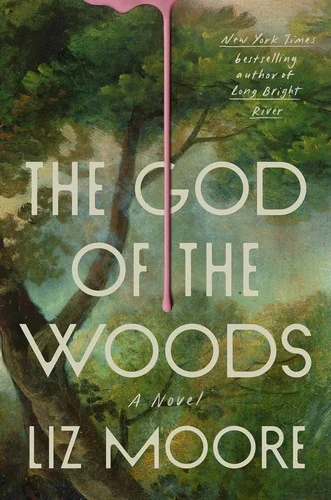
Liz Moore
Best for: Readers who want their crime fiction to carry the weight of a family saga and social novel — particularly those drawn to multi-timeline, ensemble-cast stories where class dynamics, parental failure, and community trauma matter as much as the mystery itself.
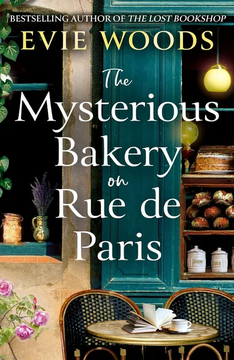
Evie Woods
Best for: Readers who love emotionally layered magical realism set in evocative European locales — particularly those drawn to food, France, grief-inflected romance, and dual-timeline narratives in the vein of Before the Coffee Gets Cold.
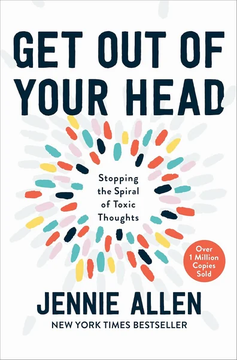
Jennie Allen
Best for: Christian readers — particularly those inside a faith community — who recognise specific thought traps like unworthiness, comparison, or anxious rumination in themselves and want a structured, biblically grounded framework for breaking those patterns in everyday life.
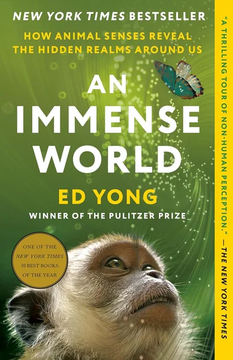
Ed Yong
Best for: Readers curious about biology, animal behaviour, ecology, or the philosophy of mind who want serious, rigorously researched science delivered through narrative storytelling rather than textbook exposition — and who will find genuine wonder in discovering how radically different the world looks, sounds, and feels to other creatures.
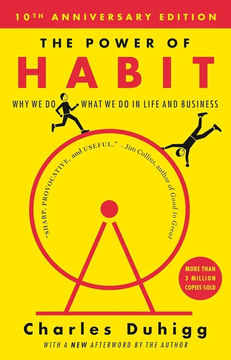
Charles Duhigg
Best for: Curious, analytically minded readers—whether individuals seeking to understand their own behaviour, managers looking to reshape team culture, or business students—who want a research-grounded, narrative-driven framework for understanding how habits operate at every level of human life.
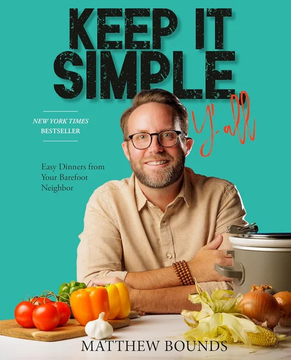
Matthew Bounds
Best for: Home cooks — especially beginners or busy weeknight cooks — who want a compact, no-fuss collection of slow cooker, sheet pan, and one-pot family dinners built around pantry staples and a swap-friendly approach.
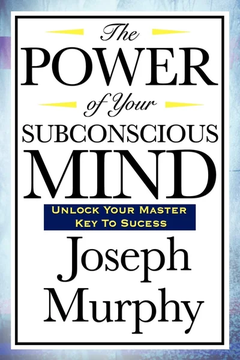
Joseph Murphy
Best for: Readers already drawn to the New Thought tradition — or to classics like Think and Grow Rich — who want a structured, technique-oriented guide to harnessing the subconscious mind across health, finances, relationships, and fear.
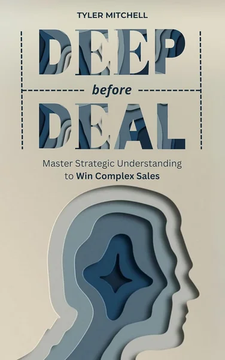
Tyler Mitchell
Best for: Sales professionals and leaders operating in complex B2B or enterprise environments — particularly those managing multi-stakeholder deals who want a structured, framework-driven approach to strategic understanding rather than a collection of transactional tactics.
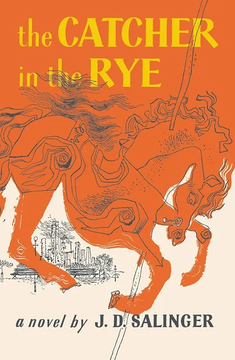
J. D. Salinger
Best for: Readers drawn to confessional, first-person narration and psychologically complex protagonists who want to understand why Holden Caulfield became a defining icon of adolescent alienation in American literature.

Maxwell Ryan
Best for: Urban renters and first-time apartment dwellers who need a structured, budget-conscious starting point for transforming a cramped or cluttered space without a designer's budget or prior decorating experience.
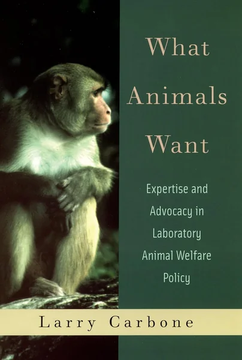
Larry Carbone
Best for: Scholars, veterinarians, policy professionals, and engaged general readers who want a rigorously sourced, ethically honest account of how competing claims about animal experience shaped U.S. laboratory animal welfare law.
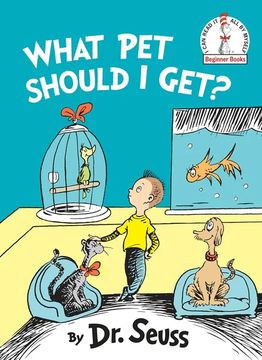
Dr. Seuss
Best for: Seuss fans and parents of early readers (ages 3–6) who want to explore a fascinating piece of literary history and an authentic, if unfinished, addition to the Seuss canon — especially those already familiar with One Fish, Two Fish, Red Fish, Blue Fish.
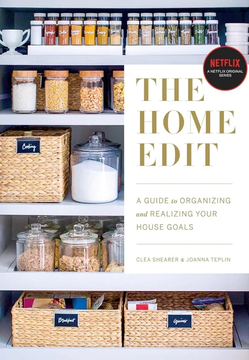
Clea Shearer, Joanna Teplin
Best for: Readers who want a visually guided, room-by-room home organization system and are drawn to the aesthetic dimension of tidiness — particularly fans of Shearer and Teplin's Netflix series or social-media content who want a structured, humor-laced framework to apply at home.
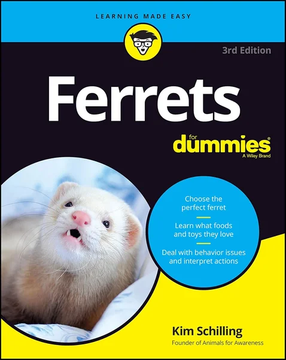
Kim Schilling
Best for: Prospective and current ferret owners — especially first-timers — who want a single, authoritative reference covering the full range of ferret care, from diet and health to ferret-proofing and behaviour, written by a specialist with three decades of hands-on experience.

Julia Barnard
Best for: First-time home decorators who want a structured, print-format introduction to foundational decorating concepts and are comfortable working from a resource published before today's design landscape.
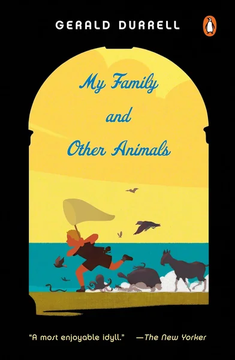
Gerald Durrell
Best for: Readers who love nature writing woven through with affectionate character comedy — particularly anyone drawn to sun-drenched memoir, eccentric family dynamics, or the natural history of the Mediterranean — will find this an ideal, unhurried read.
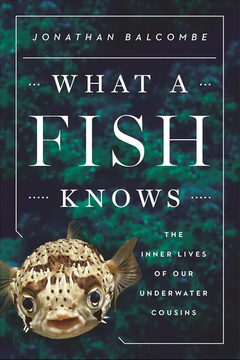
Jonathan Balcombe
Best for: General readers — aquarists, anglers, marine conservationists, or anyone curious about animal cognition — who want an accessible but rigorously sourced introduction to the science of fish sentience and behavior.
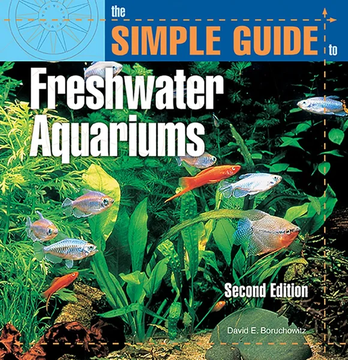
David E. Boruchowitz
Best for: First-time freshwater fishkeepers who want an integrated, plan-first guide that walks them through equipment, fish selection, and plants as a single coherent starting framework rather than a disconnected catalogue.
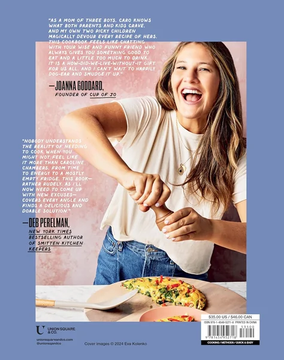
Caroline Chambers
Best for: Time-constrained home cooks — parents, working professionals, and beginners — who want satisfying, complete weeknight dinners without the planning overhead, and who navigate the kitchen more by mood, available protein, or available minutes than by culinary ambition.
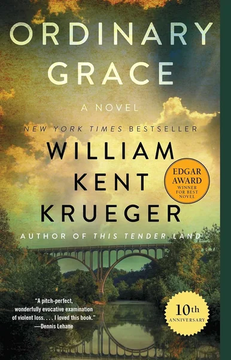
William Kent Krueger
Best for: Readers who love literary mysteries where atmosphere, moral inquiry, and retrospective narration take precedence over genre mechanics — particularly those drawn to coming-of-age stories set against grief, faith, and small-town American life.
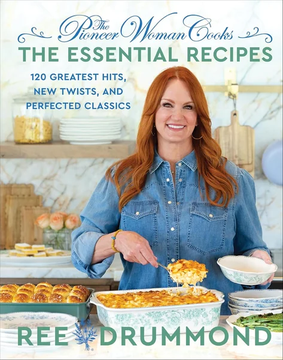
Ree Drummond
Best for: Devoted Pioneer Woman fans and family-focused home cooks who want Drummond's most-relied-upon recipes — spanning weeknight dinners to holiday traditions — consolidated, refined, and presented in a single authoritative reference.
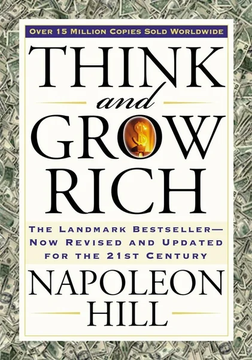
Napoleon Hill
Best for: Readers who want to understand the intellectual roots of the American self-help and motivational tradition — whether as true believers seeking a modernised entry point to Hill's 14 principles or as cultural historians tracing the lineage of a genre that has shaped generations of success coaches and practitioners.
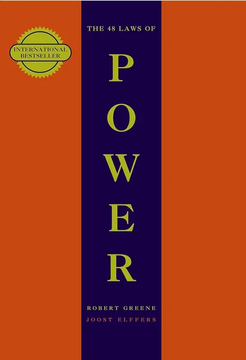
Robert Greene
Best for: Readers who want an unflinching, historically grounded analysis of how power actually operates — in workplaces, politics, creative industries, and interpersonal dynamics — and who can engage with it as a strategic and descriptive reference rather than a moral guide.

Snoop Dogg
Best for: Snoop Dogg fans, soul food enthusiasts, and anyone who wants a cookbook that doubles as a coffee-table keepsake — equally strong as a gift for someone who loves Snoop as for someone drawn to approachable, personality-driven comfort cooking.
