9 min read
4.7
· 1,515 Amazon ratingsShare This Review
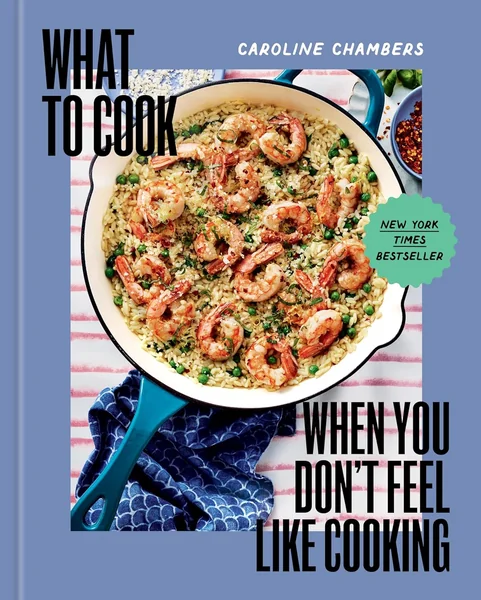
What to Cook When You Don't Feel Like Cooking by Caroline Chambers Review: A Bestselling Weeknight Dinner Solution
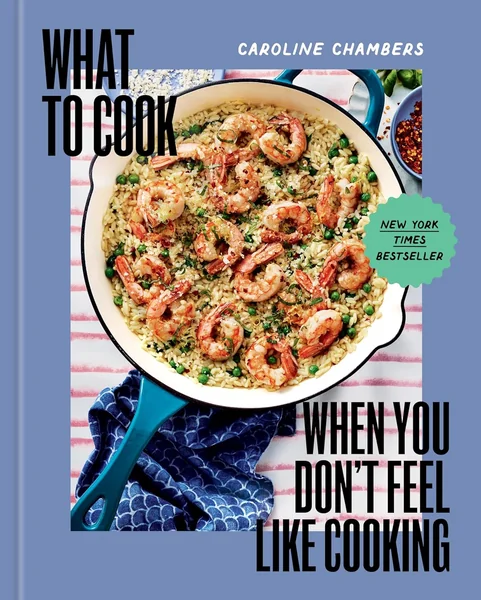
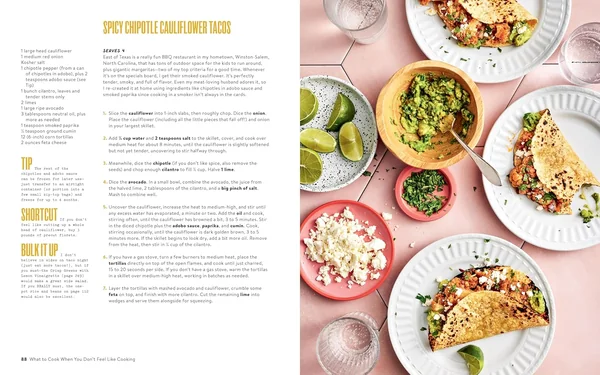
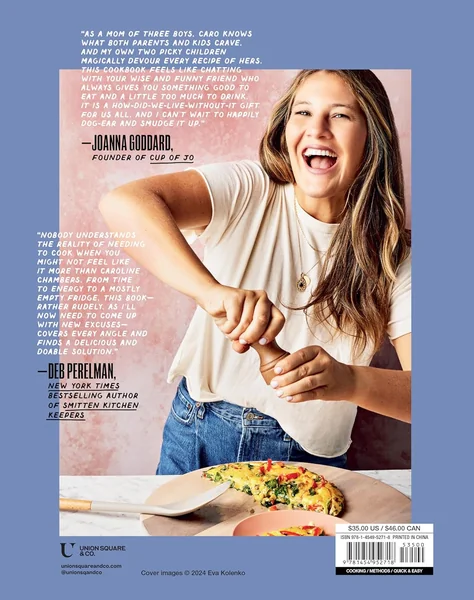
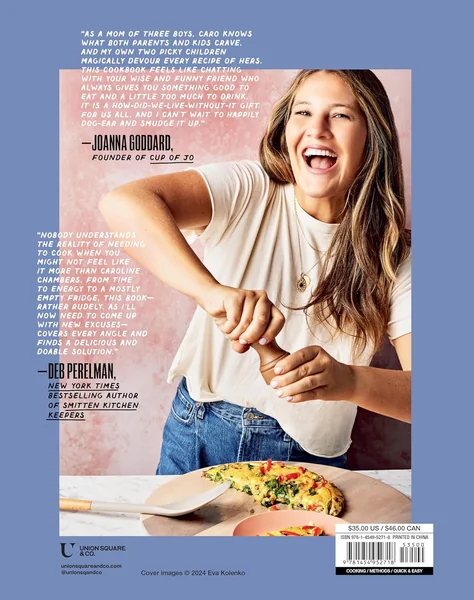
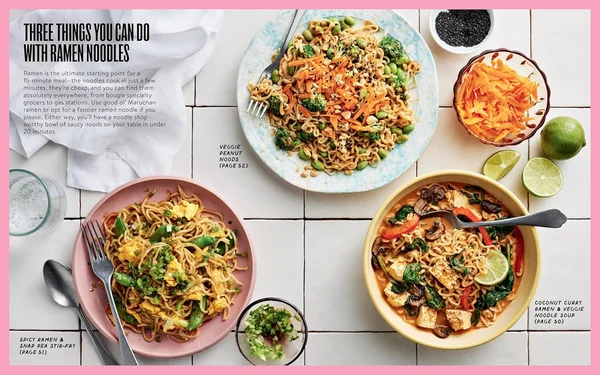
Caroline Chambers's What to Cook When You Don't Feel Like Cooking is an instant New York Times, USA Today, and Indie bestseller published by Union Square & Co. In August 2024 that translates her wildly popular Substack newsletter into a hardcover cookbook organized by cook time and protein, with every recipe designed to deliver a complete meal — protein, vegetable, and starch — in one go. Named a Best Cookbook of the Year by Bon Appétit, Food Network, and National Post, it is squarely aimed at time-pressed parents, working professionals, and anyone who wants a satisfying homemade dinner without the mental overhead of planning one.
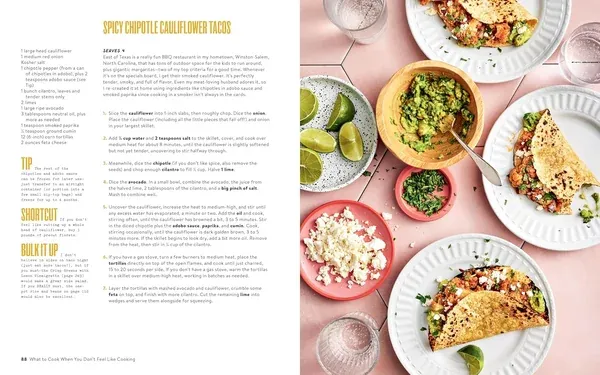
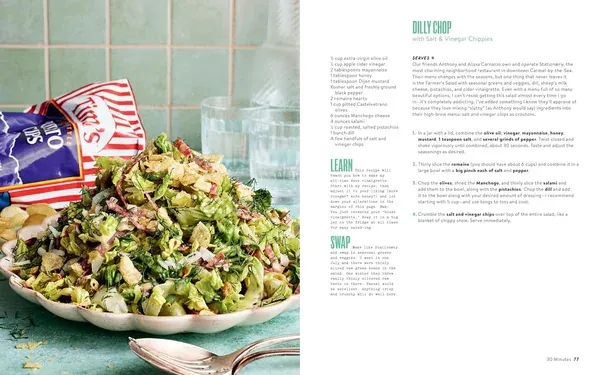
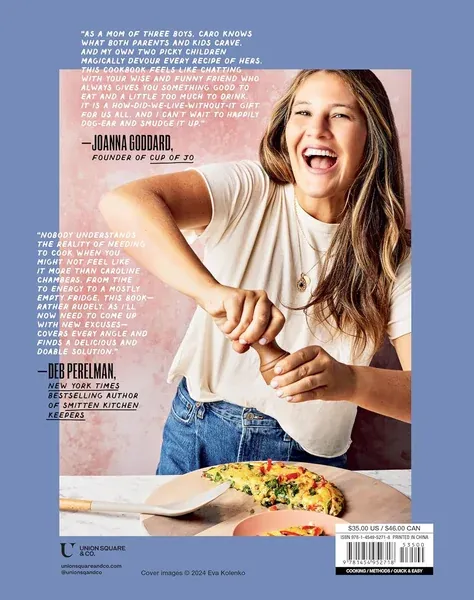 Tap to enlarge
LuvemBooks Verdict
Best for
Time-constrained home cooks — parents, working professionals, and beginners — who want satisfying, complete weeknight dinners without the planning overhead, and who navigate the kitchen more by mood, available protein, or available minutes than by culinary ambition.
Worth it if
You find the decision-making stage before cooking just as draining as the cooking itself, and want a single resource that tells you exactly what to make based on what you have and how much time you've got.
Skip if
You're after advanced culinary technique, restaurant-level complexity, or a modular recipe library you can mix and match — the book's deliberate speed-and-simplicity focus and all-in-one meal structure aren't designed for those goals.
What readers & critics say
The book landed as an instant New York Times, USA Today, and Indie bestseller on publication, as noted by hachettebookgroup.com, which also records it being named a Best Cookbook of the Year by Bon Appétit, Food Network, National Post, and AOL, and a best gift book by The Strategist, Tasting Table, and Forbes — a breadth of recognition spanning food media and general-interest gift guides alike. The book blog eliotseats.com noted the title carried a "huge waitlist at the library," a ground-level signal of genuine reader demand beyond publisher positioning.
Sources: Hachette Book Group, Eliot EatsPreview the book
Ask LuvemBooks
Was this helpful?
- Is it worth reading?
- For its target audience — time-pressed parents, working professionals, and beginners who want a satisfying homemade dinner without the mental overhead of planning one — What to Cook When You Don't Feel Like Cooking delivers meaningfully. Its instant New York Times, USA Today, and Indie bestseller status on publication, combined with Best Cookbook of the Year recognition from Bon Appétit, Food Network, and National Post, reflects genuinely broad culinary and general-reader appeal. The complete-meal-in-one-recipe structure and built-in swaps and riffs are practical features, not just marketing language — they address real friction points in weeknight cooking. The key caveat: readers seeking deep culinary technique or modular meal-building will find the book's speed-and-simplicity focus a deliberate constraint rather than a strength.
- Similar books
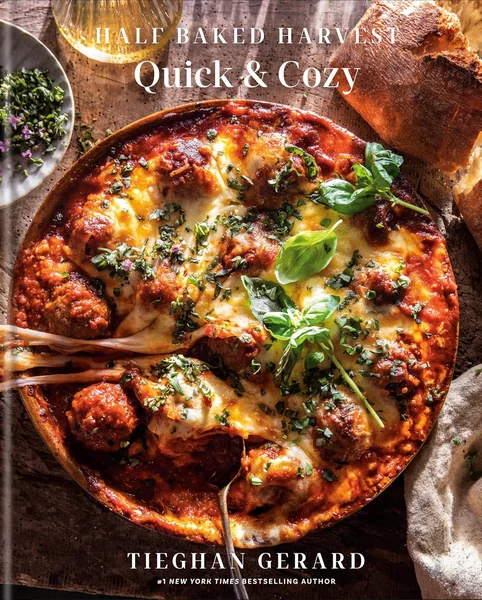
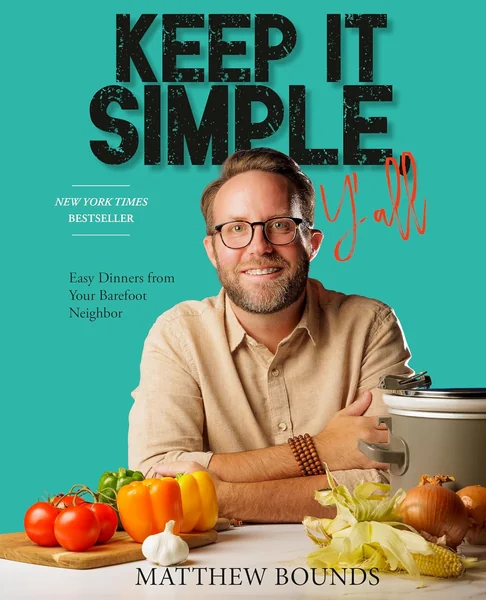
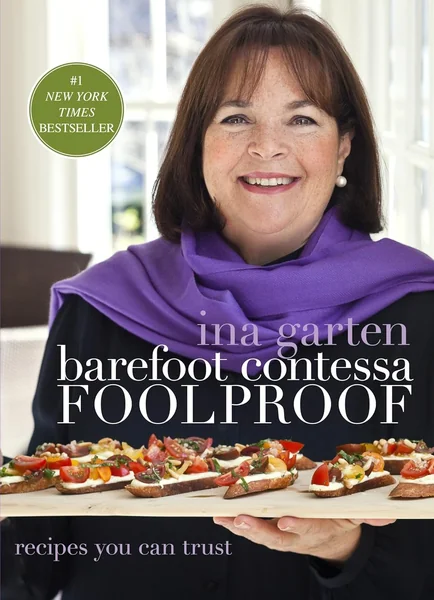
- Readers drawn to the weeknight-friendly, low-overhead approach of What to Cook When You Don't Feel Like Cooking will find strong company in several titles. So Easy So Good: Delicious Recipes by Kylie Sakaida and Keep It Simple, Y'all: Easy Dinners from Your Barefoot Neighbor by Matthew Bounds share the same accessible, practical spirit. Tieghan Gerard's Half Baked Harvest Quick & Cozy offers a similarly cozy, approachable weeknight sensibility with a slightly more elevated aesthetic. For readers who want the accessible voice but are also curious about building foundational skills, Cook This Book: Techniques That Teach by Molly Baz and Barefoot Contessa Foolproof: Recipes You Can Trust by Ina Garten are natural next steps — though both lean more technique-forward than Chambers's speed-first approach.
- Who should read this?
- What to Cook When You Don't Feel Like Cooking is squarely built for time-pressed parents, working professionals, and beginner cooks who want satisfying homemade dinners without the mental overhead of planning a full meal. Chambers's own context — raising three young boys born less than two years apart while maintaining an active career — is the lived foundation of the book's premise, and readers in similar life stages will find its priorities mirror their own. Cooks who find the planning stage as exhausting as the cooking itself will particularly benefit from the multi-axis navigation (time, protein, mood) and complete-meal-in-one structure. Those seeking advanced culinary technique, restaurant-level complexity, or a modular meal-building resource are better served by other titles.
- About Caroline Chambers
- Caroline Chambers is a New York Times bestselling cookbook author, recipe developer, and culinary expert based in Carmel Valley, California. She grew up cooking in her mother's kitchen in Winston-Salem, North Carolina, and began her professional food career in her early twenties as a chef and caterer. She is also a popular Substack recipe developer and author of titles including Just Married: A Cookbook for Newlyweds.
- Does every recipe cover the whole meal?
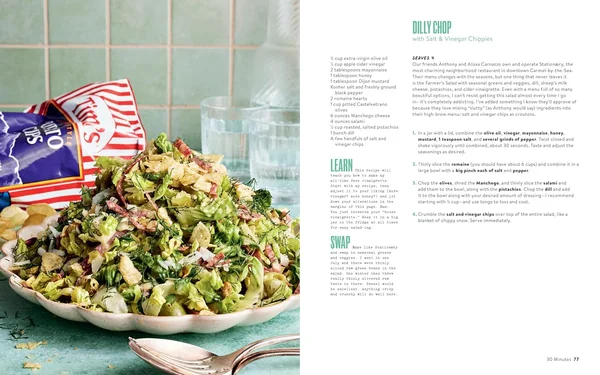
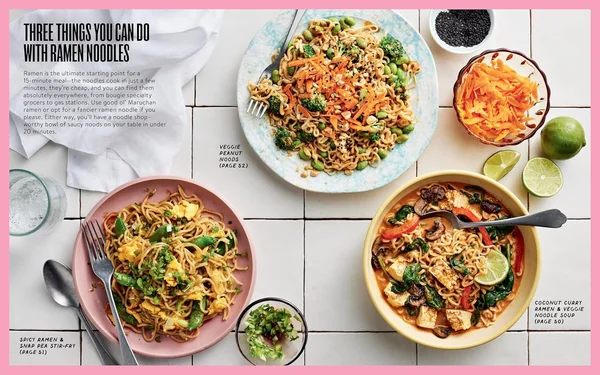
- Yes — one of the book's defining structural choices is that every recipe is designed as a complete meal, combining protein, vegetable, and starch in a single dish. This eliminates the secondary question of what to serve alongside, which is a meaningful time and mental-load reduction for weeknight cooks. Dishes like Turkey Bolognese with Sneaky Veggies and White Chicken Chili illustrate how that all-in-one philosophy plays out across different proteins and flavor profiles. The trade-off is that the book does not function as a modular resource for cooks who prefer to compose meals from separate components.
- How flexible are the recipes?
- Flexibility is a core design feature of the book rather than an afterthought. Chambers's publisher materials specifically highlight her "famously extensive swaps, riffs, and tips" built directly into the recipes, allowing cooks to work with what is actually in the refrigerator rather than making a dedicated shopping trip for every dish. This real-pantry adaptability is one of the features that distinguishes the book from more prescriptive weeknight cookbooks. The multi-axis navigation — by time, protein, and mood — further reduces friction by helping cooks match a recipe to whatever ingredients and energy level they actually have on a given night.
Summarize this book
Follow up
Synthesized from verified book data & published reviews · How we review
Press Enter to ask. Answers come from our editorial Q&A — start typing to see related questions.
Age & Reading Level
Recommended age
Adult
Reading level
Adult
who it suits
Skip if you're looking for advanced culinary technique, restaurant-level recipe complexity, or a modular cookbook you can mix and match from separate components.
Our Review
What the Book Is and Where It Comes From
The Concept and How the Recipes Are Organized
Recognition and Reception
What the Book Is Designed to Do Well
Who This Book Is For — and Where It Has Limits
Sources & Further Reading
The key facts and claims in this review are grounded in the retrieved, verified sources listed below.
- Cited in this review
- 1
- 2
- Further reading
- 3
carolinechambers.com
- 4
- 5
- 6
- 7
- 8
Books like What to Cook When You Don't Feel Like Cooking - A Cookbook
Curated picks for readers who enjoyed What to Cook When You Don't Feel Like Cooking - A Cookbook, with our reasoning for each match.
If you liked What to Cook When You Don't Feel Like Cooking - A Cookbook