Our reviews
1,017 books, each with who it's for, who should skip it, reading level and content notes, and every source we used.
152 reviews match
Tahereh Mafi
Best for: Devoted fans of the Shatter Me universe — particularly YA dystopian romance readers already invested in Rosabelle and James's story after Watch Me — who are comfortable with morally complicated relationships, multiple POVs, and cliffhanger endings.
Sarah Crossan
Best for: Older teen readers (and adults) drawn to poetic, emotionally resonant storytelling who want to explore themes of domestic abuse, dementia, and the search for identity through a spare, award-winning verse novel.
Maggie Shipstead
Best for: Readers who relish sweeping, research-rich biographical fiction about women who defied the limits of their era, and who are drawn to metafictional explorations of how history mythologises — and distorts — such women's legacies.
Elizabeth Strout
Best for: Readers who appreciate Strout's hallmark compression, working-class interiority, and quietly accumulative emotional power, and who are ready to follow her into a wholly new fictional world built around male loneliness and buried secrets.
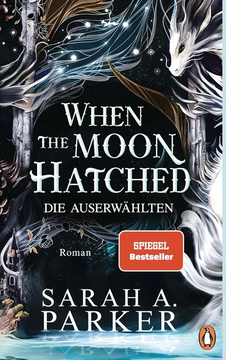
Sarah A. Parker
Best for: Romantasy readers who love sprawling, mythology-first world-building, slow-burn romance, and are happy to invest hundreds of pages in a richly constructed realm before the payoff arrives.
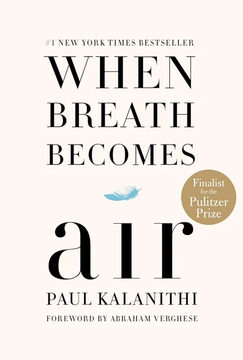
Paul Kalanithi
Best for: Anyone grappling seriously with mortality, the gap between ambition and time, or the meaning of parenthood under conditions of loss — particularly readers who want a memoir that brings genuine literary intelligence to medicine's most human questions.
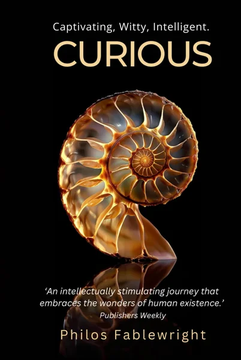
Philos Fablewright
Best for: Readers who want their fiction to carry genuine philosophical weight — those drawn to idea-driven, parable-like novels that use one character's unraveling as a lens for examining existence, technology, and humanity's future.
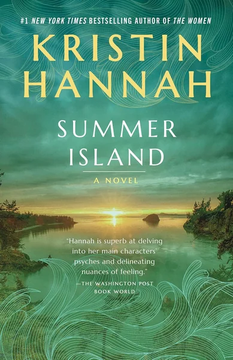
Kristin Hannah
Best for: Readers drawn to emotionally concentrated fiction about mother-daughter estrangement and reconciliation — especially those interested in tracing Kristin Hannah's thematic preoccupations before her later shift to large-scale historical novels.
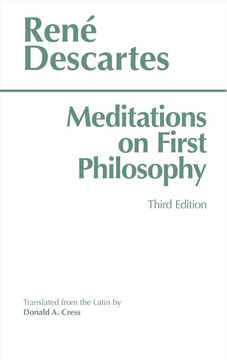
René Descartes
Best for: Undergraduate philosophy students or independent readers encountering modern Western philosophy for the first time, who need a compact, affordable, and accessible entry point into Descartes's foundational arguments in a widely adopted teaching translation.
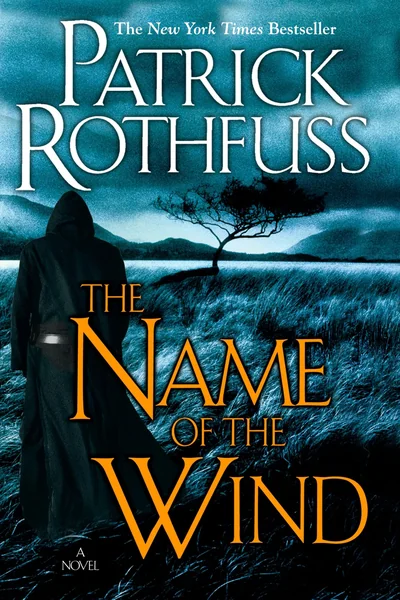
Patrick Rothfuss
Best for: Readers who prize lyrical, literary prose and richly systemic world-building over breakneck plot momentum, and who are willing to commit to an unfinished trilogy centred on the psychology and self-mythology of a single extraordinary character.
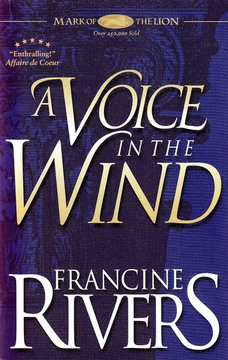
Francine Rivers
Best for: Readers of Christian historical fiction who want the genre taken seriously — those ready to inhabit a morally complex first-century Roman world where faith is a lived, costly thing rather than a comfortable backdrop.
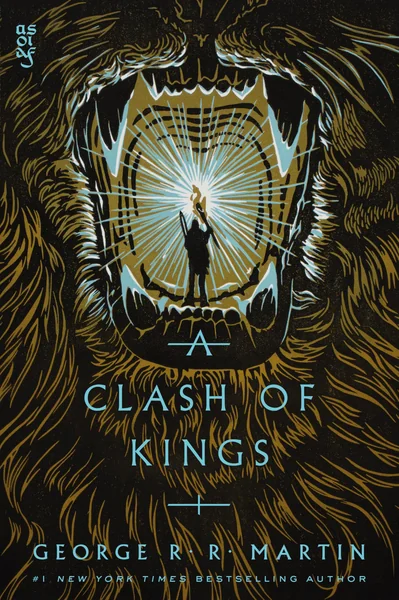
George R. R. Martin
Best for: Readers already invested in A Song of Ice and Fire who want a sprawling, politically complex epic that treats power and survival with historical weight rather than fairy-tale convention.
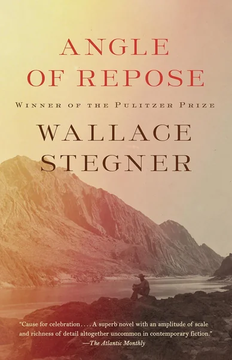
Wallace Stegner
Best for: Readers drawn to dual-timeline American literary fiction who want a sweeping, morally serious novel about Western expansion, marriage, and the way individuals construct meaning from history — and who are prepared to engage critically with the ethical controversy surrounding its source material.
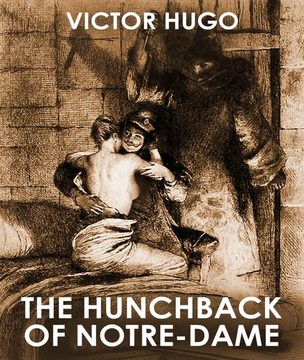
Victor Hugo
Best for: Readers who know Hugo primarily through film or stage adaptations and want to encounter the full, unabridged novel he actually wrote — complete with its architectural arguments, moral complexity, and tragic arc.
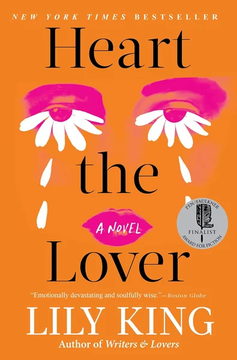
Lily King
Best for: Readers who loved Writers & Lovers and want to revisit Casey Peabody's world, or anyone drawn to emotionally ambitious literary fiction that moves from college comedy to devastating midlife grief across a single, compressed narrative.
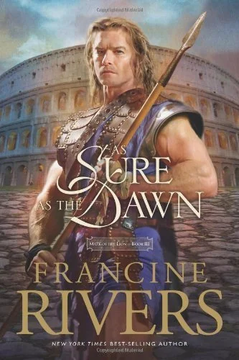
Francine Rivers
Best for: Readers who have already committed to the Mark of the Lion trilogy and are invested in the fates of Atretes, Marcus, and Hadassah — particularly those drawn to historically grounded Christian fiction set in the brutality of first-century Rome.
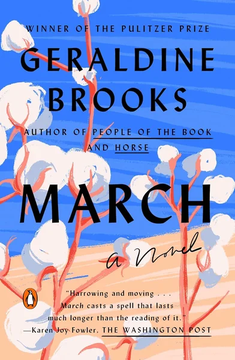
Geraldine Brooks
Best for: Readers of serious literary historical fiction who are curious about the moral and psychological interior of an idealistic man tested by the Civil War — especially those who have ever wondered what lay behind the cheerful letters home in Little Women.
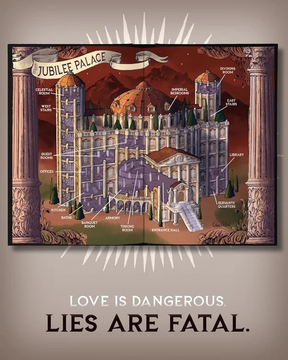
Mai Corland
Best for: Romantasy readers who want their romance anchored in a genuinely dangerous murder mystery — and mystery readers open to a richly built fantasy world with slow-burn romantic tension between two protagonists who authentically distrust each other.
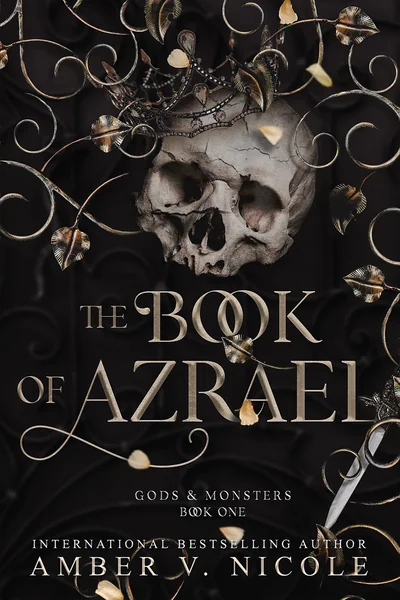
Amber V. Nicole
Best for: Romantasy readers who want their central love story embedded in genuine epic fantasy stakes — multiple realms, centuries of mythology, and a morally complex shapeshifter heroine — and who are happy to commit to a long, slow-burn series with an active BookTok community behind it.
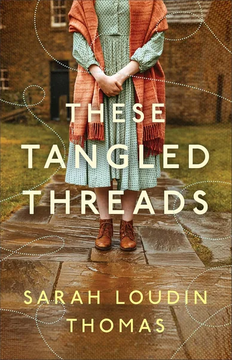
Sarah Loudin Thomas
Best for: Readers of Christian historical fiction who are drawn to Appalachian culture, the Biltmore Estate world, and emotionally textured stories about fractured friendships, craft traditions, and the long work of personal reckoning.
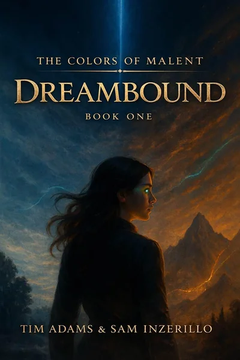
Tim Adams, Sam Inzerillo
Best for: YA fantasy readers aged 12–18 who enjoy series-format world-building centred on a young female protagonist wrestling with identity, belonging, and destiny across multiple volumes.
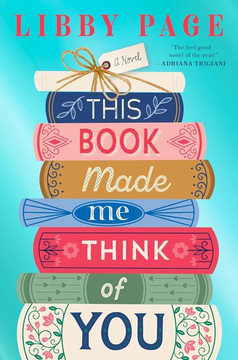
Libby Page
Best for: Readers who love books about books — particularly those who experience independent bookshops as sanctuaries and fiction as a companion — and who want a grief novel that also functions as a slow-burn romance and an unabashed celebration of reading culture.
Kathleen Glasgow
Best for: Readers aged fourteen and up — especially those who have lived with self-harm, mental illness, or know someone who has — seeking a YA novel that treats its protagonist's inner world with unflinching authenticity and refuses to simplify recovery.
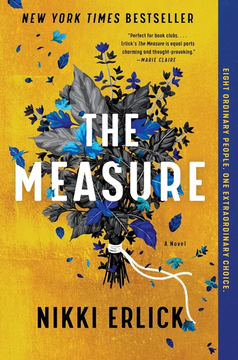
Nikki Erlick
Best for: Readers drawn to idea-driven speculative fiction and ensemble-character storytelling who are more interested in exploring the philosophical and societal ripples of a high-concept premise than in solving a mystery or following a tightly unified plot — and who want a strong book-club pick that generates lasting conversation about fate, mortality, and love.
