Our reviews
1,017 books, each with who it's for, who should skip it, reading level and content notes, and every source we used.
405 reviews match
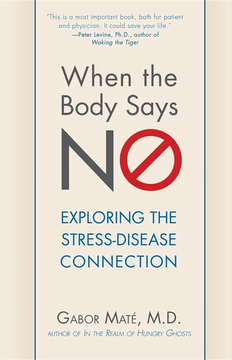
Gabor Maté
Best for: Anyone managing a chronic health condition — from cancer and MS to IBS and Alzheimer's — who wants a serious, research-grounded account of how suppressed emotion and hidden stress may be contributing to their illness, and who is open to reconsidering the relationship between their inner life and their physical health.
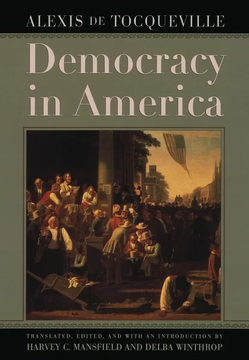
Alexis de Tocqueville
Best for: Serious students and scholars of political science, history, or the social sciences who want the most rigorous and faithful English translation of Tocqueville's landmark text, complete with scholarly apparatus for university-level study.
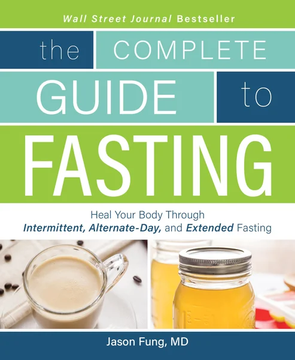
Dr. Jason Fung, Jimmy Moore
Best for: Readers who want a single, clinically informed reference covering the full spectrum of fasting protocols — from 16:8 intermittent windows to extended fasts — and who appreciate a book that pairs the physiological rationale with an actionable kick-start plan and recipes.
Francis Fukuyama
Best for: Readers with a serious interest in political science, comparative history, or the theory of state formation who want a rigorous, panoramic account of how modern governance institutions emerged — and why replicating them in fragile states is so difficult.
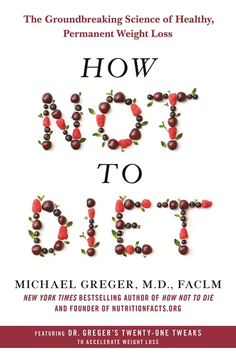
Michael Greger
Best for: Chronic dieters who have cycled through trending approaches without lasting results and want a rigorous, evidence-based explanation of why those approaches fail — and what the science actually supports instead.
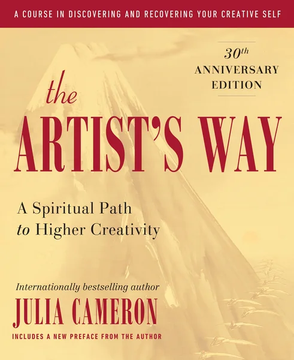
Julia Cameron
Best for: Anyone who feels creatively blocked, underutilised, or disconnected from a practice they once valued — regardless of whether they identify as a professional artist — and who is open to a structured, spiritually inflected twelve-week program for psychological and emotional unblocking.
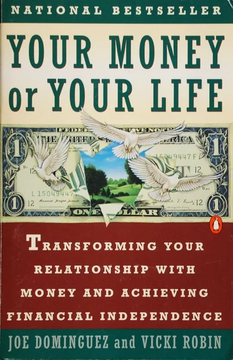
Joe Dominguez, Vicki Robin
Best for: Readers who suspect their earning and spending habits are out of step with what they genuinely value, and who want a structured, philosophically grounded nine-step framework — not just tactical tips — for diagnosing and reshaping their relationship with money.
Burton G. Malkiel
Best for: Investors at any stage — from first 401(k) to retirement — who want a rigorous, data-driven case for passive index-fund investing grounded in fifty years of academic research rather than market-beating tips.
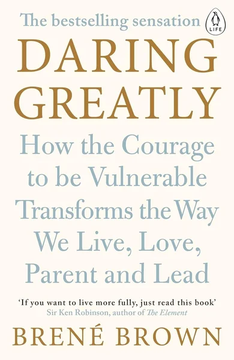
Brené Brown
Best for: Readers who feel held back by shame, fear of failure, or the urge to self-protect, and who want a research-backed, accessible framework for understanding vulnerability across their relationships, work, and parenting life.
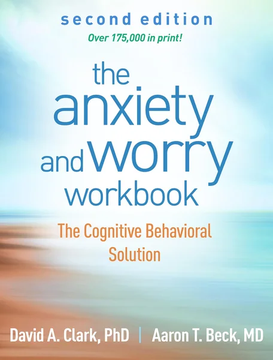
David A. Clark, Aaron T. Beck
Best for: Adults seeking a rigorous, self-directed CBT programme for anxiety or worry — particularly those who want a workbook with genuine clinical pedigree and are willing to commit to a structured, chapter-by-chapter process to build a personalised Anxiety Work Plan.
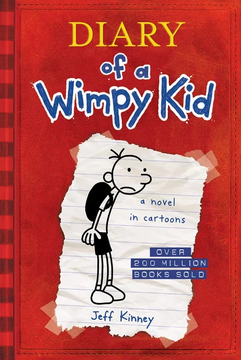
Jeff Kinney
Best for: Middle-grade readers aged 10–13 — especially reluctant readers — who respond better to a fast-paced, illustrated diary format than to traditional chapter-driven fiction, and who will delight in Greg Heffley's obliviously self-serving take on the social minefield of middle school.
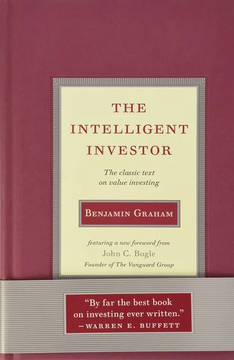
Benjamin Graham
Best for: Individual investors who want a principled, long-horizon framework for selecting undervalued stocks and are willing to engage with financial metrics like earnings ratios, dividend criteria, and asset values — particularly those drawn to the philosophical foundation of value investing rather than tactical, short-term trading guidance.
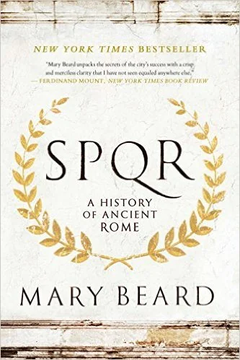
Mary Beard
Best for: Readers with some existing curiosity about ancient Rome who want to understand how we know what we know about Roman history — its multicultural realities, contested identities, and political complexity — rather than a straightforward chronological survey of emperors and battles.
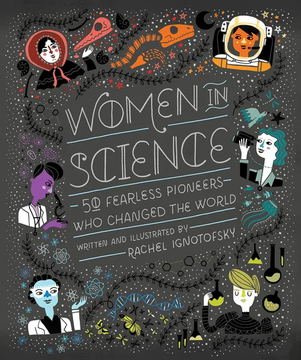
Rachel Ignotofsky
Best for: Students in grades 5–12, educators, and gift-givers looking for a visually rich, panoramic introduction to the history of women in STEM — from ancient mathematician Hypatia to modern figures like Katherine Johnson and Jane Goodall.
Daniel J. Siegel, Tina Payne Bryson
Best for: Parents and caregivers who want to understand the neuroscience behind children's misbehavior and are ready to replace reactive, consequence-first responses with a principled, repeatable connect-then-redirect framework.
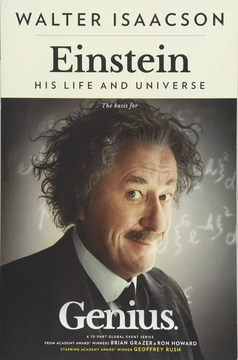
Walter Isaacson
Best for: General readers who want a substantive, narratively alive, and well-sourced account of Einstein's life and science — particularly those who enjoy sweeping, character-driven biographies of intellectual figures and are willing to engage with the physics without being physicists themselves.
Lillian Jacobs
Best for: Gaming enthusiasts — from retro devotees to RPG specialists — who want a substantial, structured multiple-choice quiz resource for solo self-testing or group competition nights.
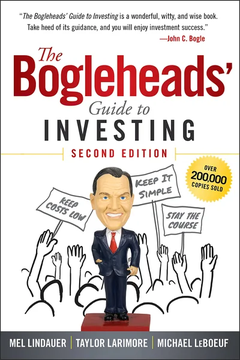
Mel Lindauer, Taylor Larimore, Michael LeBoeuf
Best for: Self-directed investors at any stage who want a philosophy-first, jargon-light framework for building long-term wealth through low-cost index funds — especially those new to Boglehead principles looking for the movement's canonical starting point.
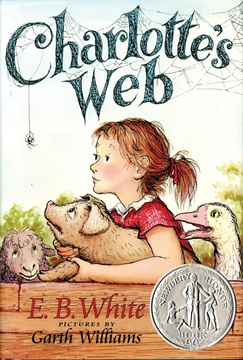
E. B. White
Best for: Readers aged five and up — and adults revisiting childhood favourites — who want a beautifully written story about friendship, sacrifice, and mortality that treats young readers as emotionally capable without losing an ounce of warmth.
Lucius Annaeus Seneca
Best for: Readers new to Stoic philosophy who want an accessible, well-contextualised entry point into Seneca's moral thought — particularly those drawn to questions of how to face adversity, mortality, and distraction with clarity and resolve.
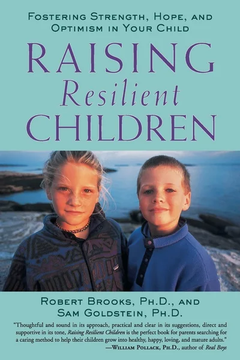
Robert Brooks and Sam Goldstein
Best for: Parents and caregivers — and educators or school counsellors — who want a comprehensive, principle-driven, evidence-backed framework for fostering emotional strength and optimism in children from early childhood through adolescence.
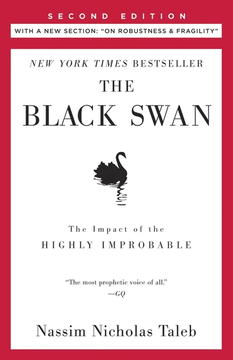
Nassim Nicholas Taleb
Best for: Readers in finance, risk management, or policy who want a rigorous yet readable challenge to conventional prediction-based thinking and expert overconfidence.
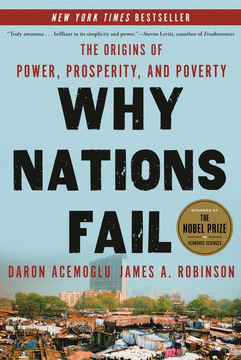
Daron Acemoglu and James A. Robinson
Best for: Readers with an interest in political economy, history, or development who want a sweeping, accessibly written argument — grounded in fifteen years of original research — for why institutions, not geography or culture, determine whether nations prosper or fail.
J.L. Collins
Best for: Readers who feel overwhelmed or misled by the financial industry and want a clear, evidence-grounded starting point for building long-term wealth through index fund investing and financial independence principles.
